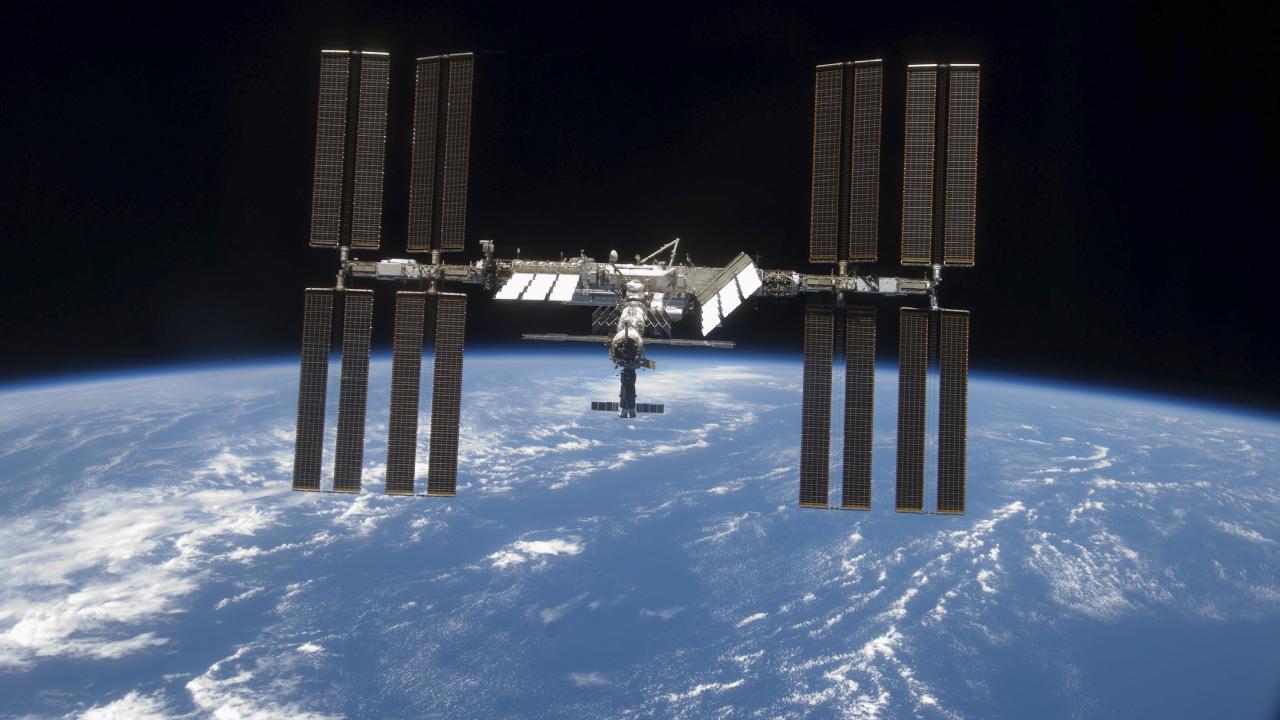
Maintaining the integrity of the International Space Station (ISS) is a feat of constant engineering vigilance, a reality that came to the forefront when a minor pressure leak was detected within the orbital laboratory. For those following the nuances of space exploration, understanding how these systems function—and how crews respond to anomalies—is essential to grasping the complexities of long-term human spaceflight.
The International Space Station, a collaborative marvel of international engineering, has faced various technical challenges throughout its multi-decade operational history. When an air leak is identified, the immediate priority for mission control and the crew on board is to ensure the safety of the personnel and the stability of the station’s pressurized environment. These incidents, while concerning, are handled through established protocols designed to locate and mitigate potential risks to the structural integrity of the modules.
For more insights on the station’s ongoing operations and historical context, readers can explore official resources provided by NASA regarding the International Space Station.
Understanding Orbital Pressure Anomalies
A pressure leak on the ISS is defined by a slight, gradual decline in the internal atmosphere of the station. Because the ISS operates as a hermetically sealed environment, any deviation in pressure triggers automated alerts. These alerts allow flight controllers on the ground—working in coordination with the astronauts aboard—to isolate specific segments of the station to determine the source of the pressure drop.
Historically, when such events occur, the crew follows a methodical process: monitoring pressure levels across individual modules, closing hatches to isolate sections, and using ultrasonic leak detectors to pinpoint the location of the breach. This systematic approach ensures that the station’s life support systems can continue to function effectively while the crew works toward a permanent repair.
Safety Protocols and Crew Response
The safety of the crew remains the paramount objective during any technical anomaly. Procedures are strictly governed by international agreements between the partner space agencies, including NASA and Roscosmos. In the event of a detected leak, the crew is trained to perform emergency repairs using specialized materials, such as adhesive sealants or mechanical patches, while maintaining communication with ground-based engineers.

It is important to distinguish between routine maintenance and emergency situations. In many instances, the station’s robust design and the availability of redundant systems allow for repairs to be conducted without compromising the mission’s overall safety. Agencies continuously monitor the structural health of all modules to ensure they meet the rigorous standards required for human habitation.
For official updates on current missions and station status, you can visit the Roscosmos official website for perspectives from the Russian space agency.
The Future of ISS Operations
As the ISS continues its mission, the focus remains on extending the operational life of the facility through careful maintenance and international cooperation. The ability to address technical challenges—such as minor leaks or equipment wear—demonstrates the resilience of the collaborative framework that supports the station. These experiences provide invaluable data for future deep-space exploration, where autonomous repair capabilities will be even more critical.
The lessons learned from managing the station’s environment continue to inform the development of next-generation spacecraft. By refining how we detect and respond to pressure fluctuations, space agencies are better equipped to handle the demands of long-duration missions to the Moon, Mars, and beyond.
While the station remains a focal point of international scientific research, the ongoing commitment to safety and transparency from agencies like NASA and its global partners ensures that the public remains informed about the challenges and triumphs of living and working in orbit.
We invite our readers to share their thoughts on the evolution of space station technology and the importance of international cooperation in the comments section below. Stay tuned to World Today Journal for further updates on the latest developments in space exploration and technology.
Worth a look