
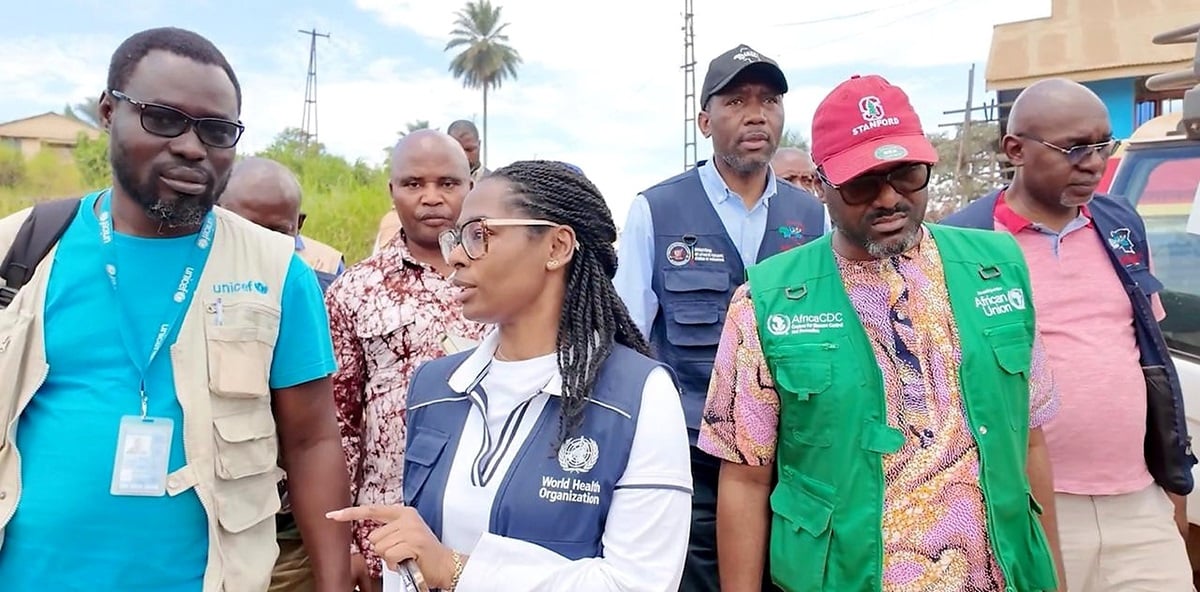
In a significant move to curb the spread of the current Ebola outbreak, the Africa Centres for Disease Control and Prevention (Africa CDC) and the World Health Organization (WHO) have launched a joint continental preparedness and response plan. This strategic initiative, which spans from June through November 2026, aims to mobilize US$ 518 million to support affected nations in enhancing their capacity to detect, prevent, and respond to the virus, specifically the Bundibugyo strain.
The outbreak, which involves the Orthoebolavirus bundibugyoense species, has created a complex public health challenge across the Democratic Republic of the Congo (DRC) and Uganda. As of May 16, 2026, the DRC Ministry of Health had reported 246 suspected cases and 80 deaths associated with the virus, according to data distributed via the CDC Health Alert Network. This collaborative effort is designed to integrate national response plans into a unified, cross-border framework.
A Unified ‘One Response’ Strategy
The joint plan adopts a “One Response” approach, designed to streamline emergency coordination, disease surveillance, and laboratory testing across the region. By consolidating resources and expertise, the Africa CDC and WHO seek to address critical gaps in infection prevention and control, clinical care, and logistics. The initiative is particularly focused on supporting 10 priority countries to bolster their early detection mechanisms and improve their public health emergency preparedness infrastructure.
“The only way to beat this outbreak is through close partnership, working together under the leadership of the affected countries in one coordinated effort, guided by a simple principle: one plan, one budget, one team,” said Dr. Tedros Adhanom Ghebreyesus, WHO Director-General. He emphasized that the success of the operation hinges on sustainable financing and the active engagement of local communities, noting that without public trust, contact tracing and clinical care efforts are significantly hindered.
Addressing Regional Vulnerabilities
The current outbreak is occurring in areas characterized by population displacement, mining-related movement, and frequent cross-border travel. These factors present unique challenges for disease control, as they increase the likelihood of transmission beyond initial clusters. The joint plan prioritizes the protection of vulnerable populations and the strengthening of screening measures at points of entry to mitigate these risks.
Dr. Jean Kaseya, Director-General of Africa CDC, underscored the urgency of the situation, stating: “Ebola moves fast. Africa must move faster. This joint plan gives the continent a clear path to act with speed and unity: to save lives, support the affected countries and protect neighbouring communities.”
Integration with Broader Health Priorities
A notable aspect of the 2026 response plan is its commitment to maintaining essential health services despite the focus on the Ebola emergency. The initiative explicitly addresses the need to sustain support for other concurrent health crises, such as mpox, cholera, and measles. By integrating the response, the agencies aim to prevent the disruption of routine health services and continue the long-term progress toward building more resilient health systems across the continent.
While the plan provides a pathway to address the current emergency, it also serves as a model for future preparedness. By drawing on lessons learned from previous outbreaks, the strategy seeks to fortify Africa’s capacity to identify and manage future health threats while protecting the livelihoods of the populations at risk. The successful implementation of these measures will require continued political commitment and sustained investment from both international partners and regional governments.
Key Focus Areas of the Joint Response
- Emergency Coordination: Harmonizing efforts between national ministries and international agencies.
- Community Engagement: Placing local participation at the center of the response to ensure the effectiveness of contact tracing and safe care practices.
- Cross-Border Collaboration: Enhancing screening and surveillance at borders to track and limit the spread of the Bundibugyo virus.
- System Resilience: Strengthening laboratory and clinical infrastructure to ensure that essential health services remain operational during the crisis.
As the situation develops, international health authorities continue to monitor the spread of the virus. Clinicians and travelers are advised to follow updates from national health departments and the WHO regarding potential case identification and biosafety protocols. For further information and official advisories, stakeholders are encouraged to monitor the Africa CDC official portal and the World Health Organization newsroom for the latest verified data on the outbreak response.

The next phase of the operation will involve the systematic deployment of resources as outlined in the six-month roadmap. We welcome your thoughts on the importance of regional health coordination in the comments section below, and we encourage readers to share this update to help keep local communities informed.