
As the global space community sets its sights on the next frontier of lunar exploration, NASA is steadily advancing the framework for its upcoming Artemis III mission. While public attention often gravitates toward the dramatic moments of launch and docking, the backbone of this ambitious program is built upon meticulous engineering, rigorous testing, and a series of strategic milestones designed to ensure the safety and success of future crews.
The agency’s commitment to returning humans to the lunar surface is not merely a goal for the end of the decade but a continuous process of infrastructure development. Recent updates from the space agency have underscored the importance of the Artemis III mission plans, which represent a significant leap forward in our understanding of lunar environments and the technical requirements for sustainable deep-space exploration. According to the official Artemis III mission outline provided by NASA, these preliminary plans serve as a roadmap for the complex operations required to land the next American astronauts on the Moon.
Engineering the Future of Lunar Exploration
At the heart of the Artemis program is a sophisticated network of facilities and collaborative efforts aimed at building the hardware necessary for high-stakes missions. Among these, the Marshall Space Flight Center in Alabama continues to play a pivotal role in the design and assembly of critical mission elements. These components are subjected to rigorous evaluation to verify they can withstand the extreme conditions of spaceflight.
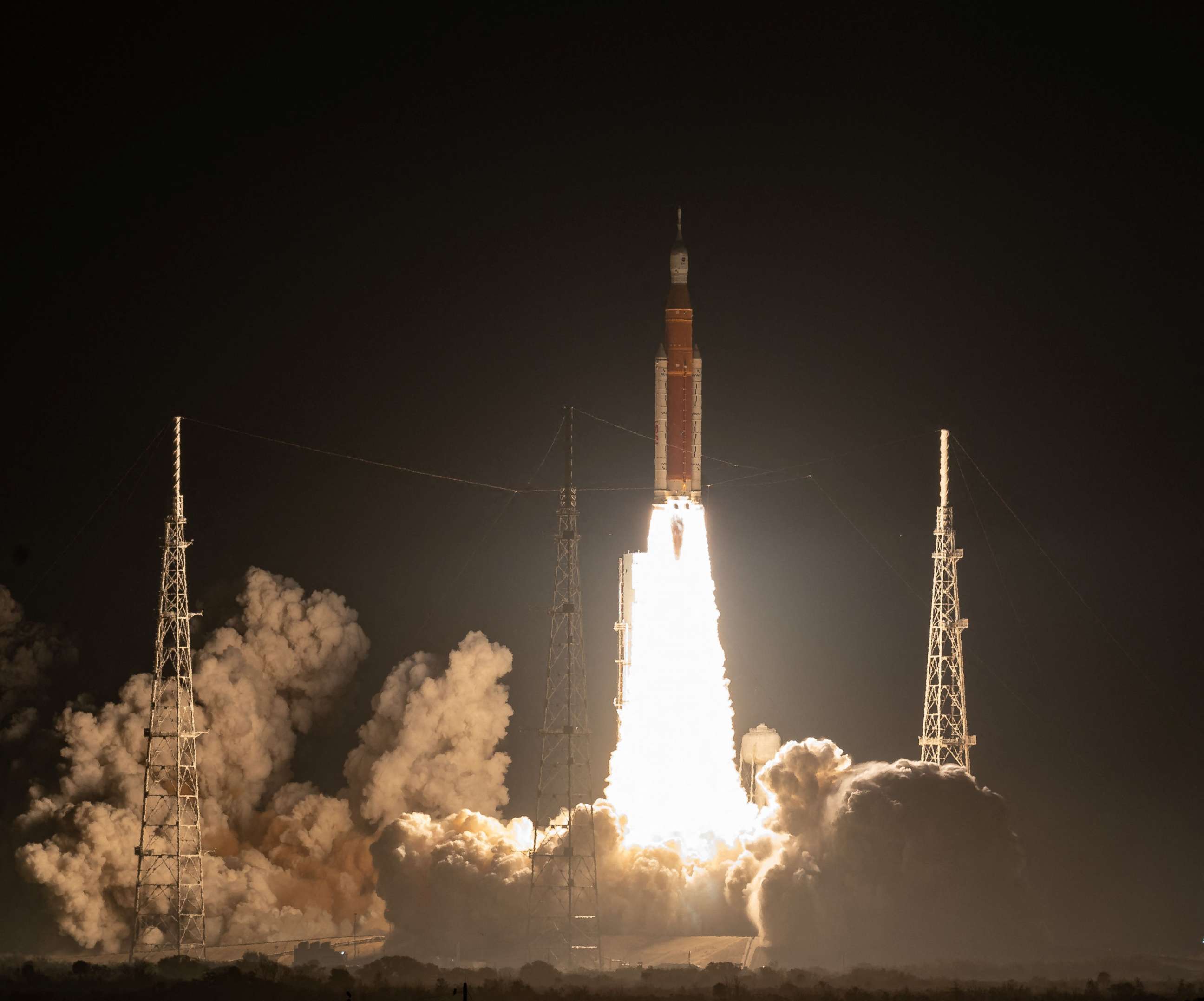
The complexity of the Artemis III mission—which aims to place the first woman and the first person of color on the lunar surface—demands an unprecedented level of precision. NASA’s current operational framework involves integrating various systems, from the Space Launch System (SLS) rocket to the Orion spacecraft and the Human Landing System (HLS). Each piece of this puzzle is essential for maintaining the integrity of the mission, as detailed in the agency’s comprehensive overview of the Artemis program.
The Artemis III Roadmap and Technical Milestones
The transition from current missions, such as the ongoing operations involving the International Space Station (ISS), to the lunar surface is marked by a series of incremental technical achievements. NASA’s recent success with the SpaceX CRS-34 mission, which autonomously docked with the ISS on May 17, 2026, serves as a testament to the agency’s mastery of automated rendezvous and docking technologies—capabilities that are directly applicable to the requirements of the Artemis program. As noted in the official mission update from NASA, the delivery of over 6,500 pounds of science investigations and supplies confirms the robust nature of current commercial resupply partnerships.

For Artemis III, the technical focus remains on:
- Lunar Landing Precision: Developing systems capable of navigating the lunar south pole, an area of significant scientific interest due to the presence of water ice.
- Life Support Systems: Refining the environmental control and life support systems within the Orion spacecraft to ensure crew safety during multi-day transits.
- Integrated Testing: Conducting ground-based rehearsals and system-level checks to identify potential failure points before launch.
Why the Artemis Mission Matters
The significance of Artemis III extends beyond the historic nature of the landing. It is fundamentally a mission of scientific discovery and technological innovation. By researching Earth systems, the solar system, and the wider universe, NASA is leveraging the lunar environment as a testbed for future exploration, including potential crewed missions to Mars. As outlined by USAGov’s mission profile for NASA, the agency remains dedicated to exploring the unknown and providing critical data that enhances our understanding of our own planet.
The collaboration between NASA and its commercial partners is a defining feature of this era of space exploration. By fostering a competitive environment among private aerospace companies, the agency has effectively accelerated the development of launch vehicles and landing craft, ensuring that the United States maintains its leadership in space exploration while optimizing budgetary resources.
Looking Ahead: The Path to Launch
As of May 2026, NASA continues to refine the mission profile for Artemis III. The agency has emphasized that while dates and specific hardware configurations remain subject to change based on the results of ongoing tests, the commitment to the mission’s primary objectives remains steadfast. The next major checkpoints will involve the continued testing of the HLS and the finalization of the mission’s scientific payload, which will be tasked with conducting unprecedented lunar surface research.

For those interested in following the progress of the Artemis program, NASA provides regular updates through its official news portal and mission-specific blogs. We encourage our readers to stay tuned to these verified channels for the latest information on mission planning and upcoming milestones. As we continue to witness history in the making, the path to the Moon serves as a powerful reminder of what can be achieved through international cooperation, scientific rigor, and the relentless pursuit of knowledge.
What are your thoughts on the future of lunar exploration and the role of commercial partnerships in NASA’s latest missions? Share your comments below and join the conversation on the future of humanity in space.
Keep reading