As FIFA prepares to host the 2026 World Cup—a tournament already shadowed by past controversies—new questions have emerged over the fate of millions in recovered funds from the 2015 corruption scandal. A senior figure in South American soccer now faces an ethics complaint alleging they received payments linked to those funds, raising concerns about accountability and transparency just months before the tournament’s kickoff. The case underscores deeper systemic challenges in global football governance, where past reforms appear to have left loopholes that may now be exploited.
The 2015 FIFA corruption scandal, one of the most high-profile in sports history, resulted in the arrest of 14 officials and executives, including former FIFA president Sepp Blatter, on charges of bribery, racketeering, and money laundering. Authorities recovered millions in illicit funds, with Swiss prosecutors seizing assets tied to bribes exchanged for votes in the 2022 World Cup bidding process. Yet, as investigations concluded and sanctions were imposed, critics warn that some of these recovered funds may have been redirected—or at least not fully accounted for—before the World Cup’s next iteration.
The ethics complaint, which has not been publicly confirmed by FIFA or the involved confederation, centers on allegations that a high-ranking official in a South American football federation received payments from a fund established to compensate victims of the scandal. While FIFA has not commented on the specifics, internal sources suggest the complaint stems from discrepancies in financial disclosures and a lack of clarity over how recovered assets were distributed. The timing is particularly sensitive, given FIFA’s ongoing efforts to restore public trust ahead of the 2026 tournament, which will be co-hosted by the United States, Canada, and Mexico.
From Scandal to Scrutiny: The 2015 Corruption Case and Its Lingering Shadow
The 2015 FIFA corruption scandal was a turning point for global soccer. In December of that year, U.S. Authorities announced the indictment of 14 FIFA officials, accusing them of accepting bribes totaling over $150 million in exchange for voting rights in major tournaments, including the 2018 and 2022 World Cups. The scandal led to the resignation of Blatter, reforms in FIFA’s governance structure, and the establishment of a compensation fund for affected parties.
According to court documents filed in the U.S. District Court for the Eastern District of New York, the bribes were funneled through shell companies and bank accounts in countries including Switzerland, Singapore, and the Cayman Islands. The recovered funds were initially earmarked for restitution to victims, including national football associations that alleged they were pressured into supporting Qatar’s 2022 World Cup bid. However, the distribution process was marred by delays, legal challenges, and accusations of mismanagement.
Key figures in the 2015 scandal:
- Sepp Blatter: Former FIFA president, resigned amid the scandal.
- Jeffrey Webb: Former CONCACAF president, sentenced to four years in prison.
- Jack Warner: Former CONCACAF vice president, banned for life and fined $1 million.
- Chuck Blazer: Former FIFA executive, pleaded guilty and cooperated with prosecutors.
While the legal fallout from 2015 has largely concluded, the ethical and financial questions persist. The ethics complaint against the unnamed South American official—if substantiated—could reopen old wounds and test FIFA’s commitment to transparency. FIFA’s current president, Gianni Infantino, has repeatedly emphasized reform, but critics argue that cultural and structural changes within FIFA have been slow to materialize.
The Ethics Complaint: What We Know So Far
The complaint, which has been shared with internal FIFA bodies, alleges that the official in question received payments from a fund intended for victims of the 2015 corruption scheme. While FIFA’s statutes prohibit such conflicts of interest, the specifics remain unclear. Sources familiar with the matter indicate that the payments were not directly tied to the official’s role in the scandal but rather to broader financial settlements negotiated as part of the broader corruption case.
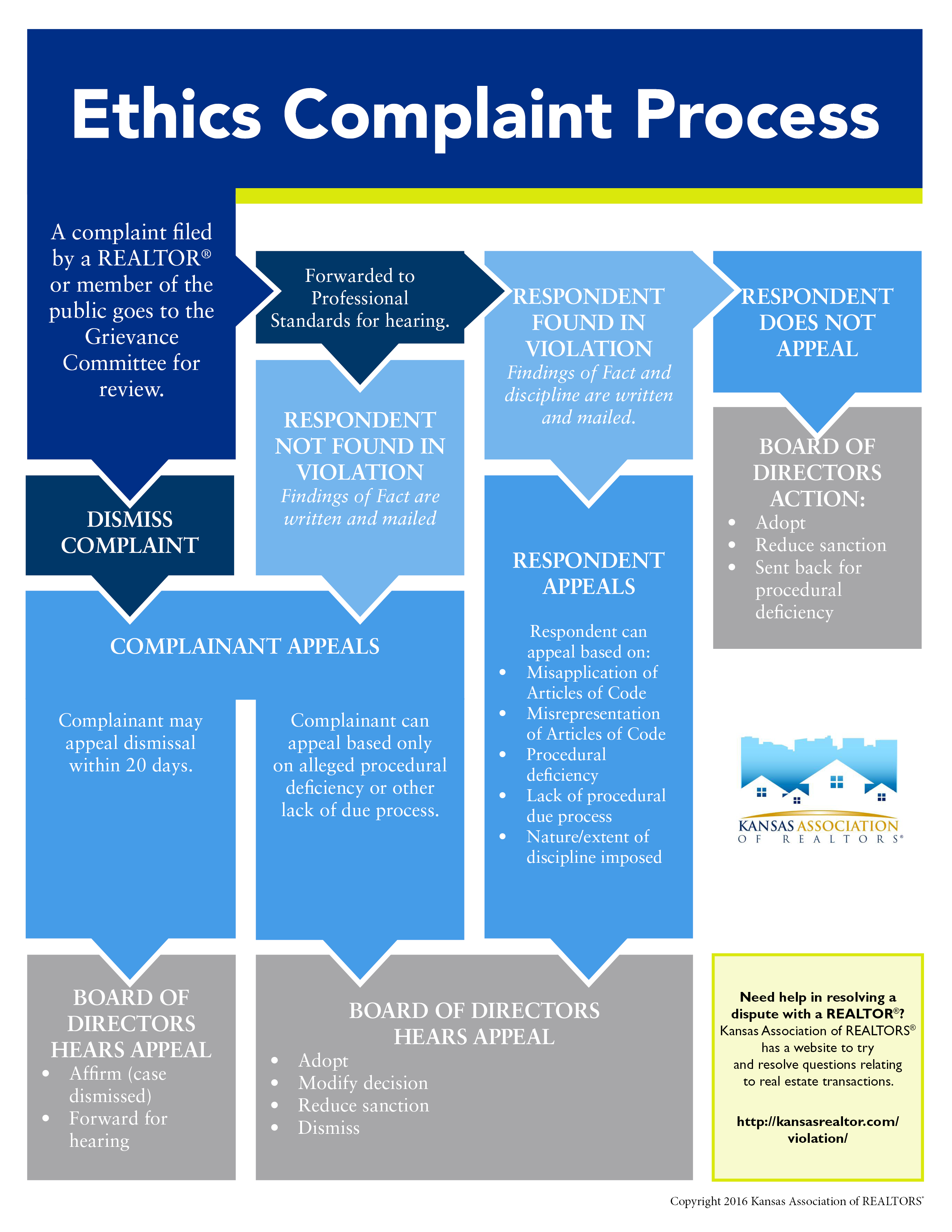
FIFA’s ethics committee, which operates independently of the executive board, is now reviewing the complaint. If found credible, the official could face sanctions ranging from fines to a lifetime ban from football administration. The committee’s investigation is expected to take several months, with a decision anticipated before the 2026 World Cup begins in November.
This is not the first time FIFA has grappled with allegations of financial impropriety. In 2022, a separate investigation into the 2022 World Cup in Qatar revealed discrepancies in labor payments and infrastructure contracts, further eroding public confidence. The 2026 tournament, while promising to be the largest in history with 48 teams, now carries the added burden of proving that past mistakes will not be repeated.
Broader Implications for FIFA’s Reputation and the 2026 World Cup
The potential misuse of recovered funds—even if unintentional—poses a significant reputational risk for FIFA as it prepares to host the 2026 World Cup. The tournament, which will be the first to feature an expanded field, is already facing scrutiny over issues including human rights, environmental sustainability, and economic impact. If the ethics complaint leads to further revelations, it could undermine FIFA’s narrative of progress and reform.
For stakeholders, including host nations, sponsors, and fans, the integrity of the tournament hinges on FIFA’s ability to demonstrate that lessons from 2015 have been learned. The 2026 World Cup is not just a sporting event. it is a test of whether global football can break free from its history of corruption and mismanagement. The outcome of this ethics complaint could serve as a bellwether for that transformation.
Beyond FIFA, the complaint also raises questions about the broader governance of international sports. Organizations like the International Olympic Committee (IOC) and World Anti-Doping Agency (WADA) have faced their own scandals in recent years, highlighting the need for stronger oversight mechanisms. The FIFA case may prompt calls for greater transparency in how recovered assets are managed and distributed in future corruption cases.
What Happens Next? The Road Ahead for FIFA
The ethics committee’s investigation is the next critical checkpoint. If the complaint is upheld, FIFA’s executive committee will determine the appropriate sanctions. The timeline for a decision remains unclear, but sources suggest it could be announced as early as late 2026, ahead of the World Cup.

In the meantime, FIFA continues to face pressure from multiple fronts. Advocacy groups, including Human Rights Watch, have called for greater accountability in labor practices and financial transparency, particularly in relation to the 2022 World Cup legacy. The 2026 tournament presents an opportunity for FIFA to address these concerns, but the success of that effort may hinge on how it handles the current ethics complaint.
For now, the focus remains on the investigation. As FIFA prepares to welcome millions of fans to the 2026 World Cup, the organization’s ability to navigate this ethical challenge will be a defining moment in its ongoing struggle to regain public trust.
Key Takeaways
- Ethics Complaint Resurfaces: A senior South American soccer official is under investigation for allegedly receiving payments from funds recovered in the 2015 FIFA corruption scandal.
- 2015 Scandal’s Lingering Impact: Millions in recovered funds were intended for restitution but faced delays and mismanagement, raising questions about accountability.
- 2026 World Cup at Stake: The ethics complaint threatens to overshadow FIFA’s efforts to restore trust ahead of the tournament, which begins in November 2026.
- Broader Governance Issues: The case highlights the need for stronger oversight in international sports organizations to prevent future corruption.
- Next Steps: FIFA’s ethics committee is reviewing the complaint, with a decision expected before the 2026 World Cup.
What do you think about FIFA’s handling of this situation? Should recovered funds from corruption cases be subject to stricter oversight? Share your thoughts in the comments below or on our social media channels.
Worth a look