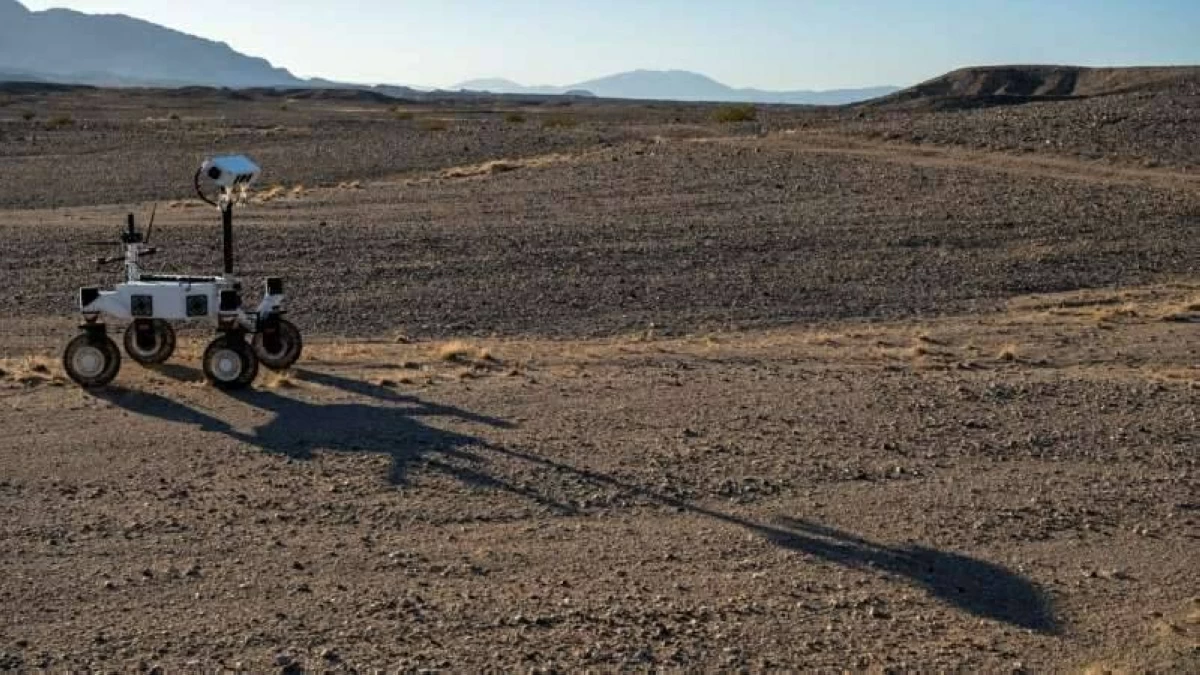
NASA is currently testing advanced autonomous rover prototypes designed to navigate the challenging, crater-filled terrains of the Moon and Mars. These next-generation vehicles, often referred to as intelligent surface explorers, utilize sophisticated artificial intelligence and machine learning algorithms to map environments and make real-time decisions without constant human intervention from Earth. According to the NASA Space Technology Mission Directorate, these advancements are critical for the upcoming Artemis missions and long-term exploration goals, where communication delays make manual “joystick” driving impractical.
How Autonomous Rovers Change Space Exploration
The primary shift in modern lunar and Martian exploration is the transition from teleoperated vehicles to autonomous systems. Traditional rovers, such as the Curiosity and Perseverance models on Mars, rely heavily on human engineers to plan their daily routes. This process is time-consuming, as signals can take anywhere from 3 to 22 minutes to travel between Earth and Mars, as noted by the NASA Mars Exploration Program. Autonomous rovers, by contrast, utilize onboard cameras and sensors to create 3D maps of their surroundings, allowing them to identify hazards like loose soil or deep craters independently.

By processing visual data locally, these smart vehicles can significantly increase the distance they cover in a single day. Increased mobility allows for more comprehensive scientific sampling and site analysis. This capability is essential for the Artemis program, which aims to establish a sustainable human presence on the lunar South Pole, an area characterized by extreme lighting conditions and complex topography that makes manual navigation exceptionally difficult.
Testing Grounds: Earth-Based Simulations
NASA conducts rigorous testing of these autonomous systems in Earth-based environments that mimic extraterrestrial conditions. Locations such as the volcanic landscapes of Hawaii or the high-desert regions of Arizona serve as “analog” sites. During these field tests, engineers evaluate how the rovers handle unpredictable terrain, such as steep slopes and slippery volcanic ash. The focus is on the integration of “Terrain Relative Navigation,” a technology that allows the craft to compare what it sees on the ground with existing orbital maps to determine its precise location.
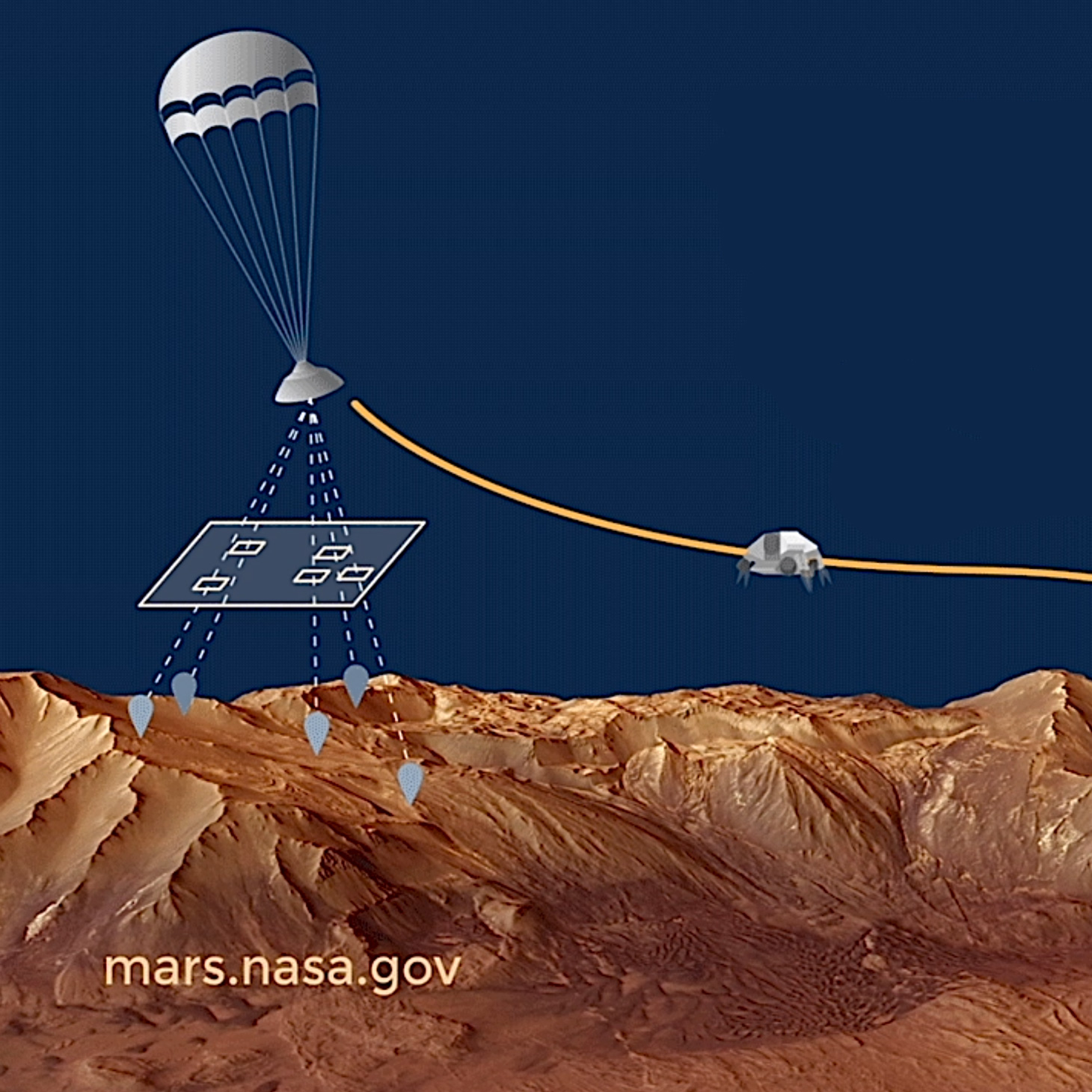
The NASA Technology Demonstration Missions program manages the development of these prototypes, ensuring that software updates can be pushed to the vehicles even after they land. This adaptability is a departure from previous missions where the rover’s onboard computer was fixed upon launch. Modern software architectures now allow for modular updates, enabling the rovers to gain new capabilities as their mission objectives evolve over time.
Challenges and Future Objectives
Despite the promise of autonomous navigation, several technical hurdles remain. Power consumption is a significant factor; running high-performance AI processors requires substantial energy, which is a limited resource on solar-powered or battery-operated platforms. Additionally, the extreme temperature fluctuations on the lunar surface—which can swing hundreds of degrees between day and night—pose a threat to the sensitive electronic hardware required for onboard computing.
Researchers are currently working on hardening these systems against radiation and thermal stress. The long-term goal is to deploy fleets of rovers that can work in coordination, sharing data to create a unified map of a landing zone before human astronauts arrive. This “scout” capability is expected to be a staple of future lunar architecture, with the Moon to Mars architecture team actively reviewing how these robotic precursors can support human habitation and resource utilization, such as ice mining for water and fuel.
What Happens Next?
The next major milestone for these technologies involves the integration of autonomous navigation into the upcoming VIPER (Volatiles Investigating Polar Exploration Rover) mission framework and subsequent commercial lunar payload services. While mission schedules are subject to change based on technical readiness, NASA continues to host public updates regarding their robotics development initiatives. Readers interested in following the progress of these rovers can monitor the NASA official website for press releases and mission status reports as ground-based testing concludes and flight-ready hardware enters the final integration phase.

Have thoughts on the future of AI in space exploration? Share your views in the comments below or join the discussion on our social media channels.
Worth a look