
Changes in the appearance of the lips and the skin surrounding the mouth often serve as early clinical indicators of underlying nutritional deficiencies, systemic health conditions, or immune system fluctuations. While minor dryness is common, persistent physical changes—such as angular cheilitis, localized swelling, or recurring lesions—warrant professional medical evaluation to rule out chronic health issues.
As a physician practicing in Berlin, I frequently observe patients who overlook these subtle dermatological signals. Understanding the distinction between transient irritation and medically significant symptoms is essential for maintaining long-term health. According to the American Academy of Dermatology, the skin acts as a primary interface for systemic health, and localized inflammation in the perioral area often correlates with broader physiological stress.
Nutritional Deficiencies and Angular Cheilitis
The development of cracks, fissures, or inflammation at the corners of the mouth is clinically defined as angular cheilitis. While this condition is often associated with localized fungal or bacterial infections, it is frequently exacerbated by deficiencies in essential micronutrients, particularly B-complex vitamins and iron. According to research published by the National Center for Biotechnology Information (NCBI), a lack of riboflavin (Vitamin B2), cobalamin (B12), or folate can compromise the integrity of the mucosal lining, leading to painful, recurring splits in the skin.
Iron deficiency anemia is another common contributor to these symptoms. Because iron is vital for oxygen transport and tissue repair, its absence often manifests in the epithelial tissues. Clinicians typically recommend a comprehensive blood panel to assess serum ferritin levels and vitamin concentrations before initiating treatment. Simply applying topical moisturizers is often insufficient if the underlying metabolic deficit remains unaddressed.
Understanding Lip Swelling and Allergic Responses
Sudden or recurring swelling of the lips, medically referred to as angioedema, frequently signals an allergic reaction to ingested allergens, medications, or environmental triggers. Unlike simple contact dermatitis, angioedema involves deeper layers of the skin and can be associated with systemic reactions. The American Academy of Allergy, Asthma & Immunology notes that if lip swelling is accompanied by difficulty breathing, throat tightness, or hives, it constitutes a medical emergency requiring immediate intervention with epinephrine or antihistamines.
For patients experiencing chronic, low-grade swelling, the cause may be linked to delayed hypersensitivity reactions. Common culprits include food additives, dental materials, or flavorings found in toothpaste and lip balms. Identifying the trigger often requires a structured elimination process or formal patch testing conducted by a board-certified allergist to confirm the specific allergen responsible for the inflammatory response.
Immune System Signals and Recurring Lesions
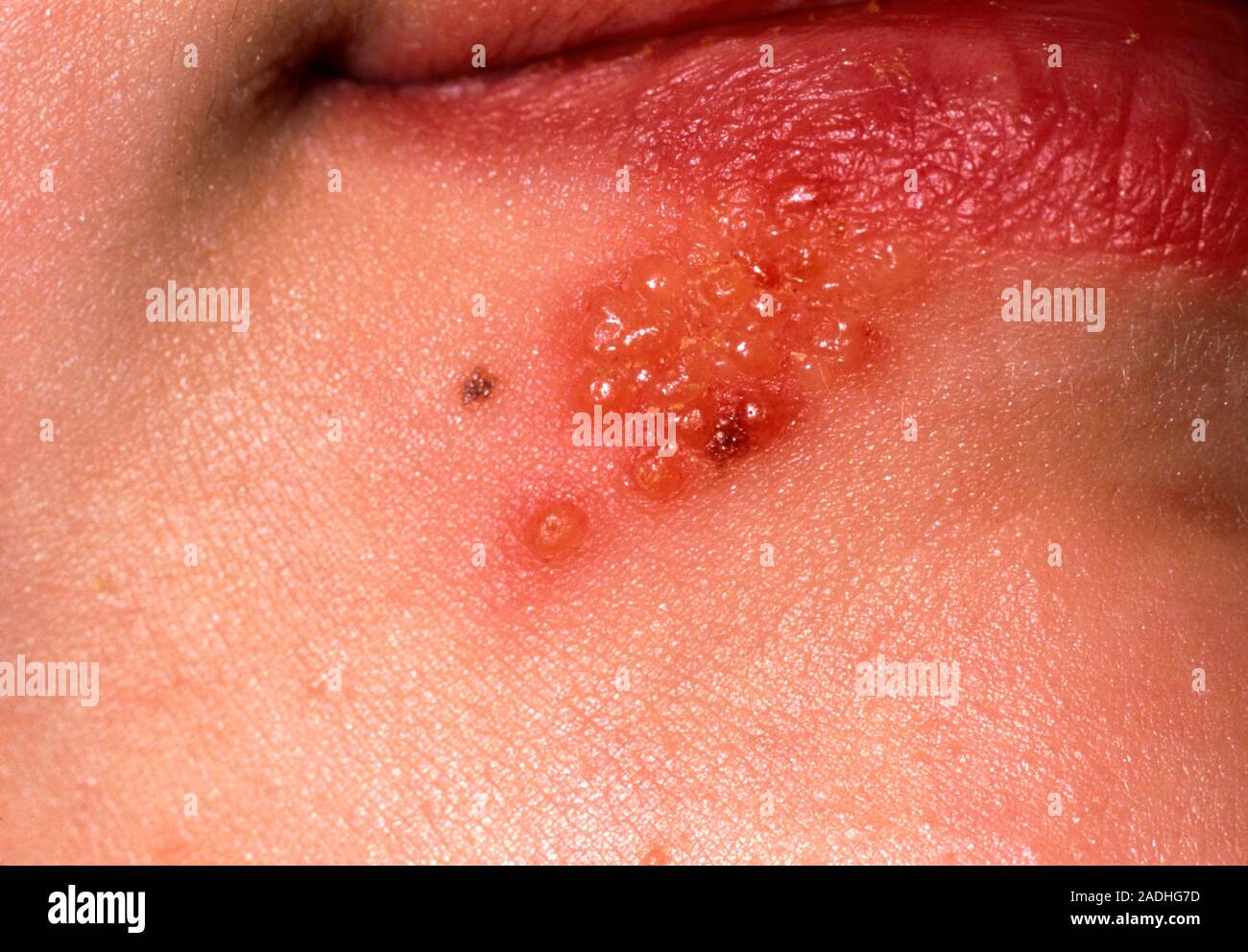
The appearance of recurring blisters around the mouth is most commonly associated with the herpes simplex virus (HSV-1), which can remain dormant in nerve ganglia and reactivate during periods of physical or emotional stress. However, if these lesions occur with increased frequency or severity, it may indicate a broader state of immune suppression. According to the World Health Organization, nearly two-thirds of the global population under age 50 are carriers of HSV-1, but the frequency of outbreaks is often a direct reflection of the body’s current immune status.
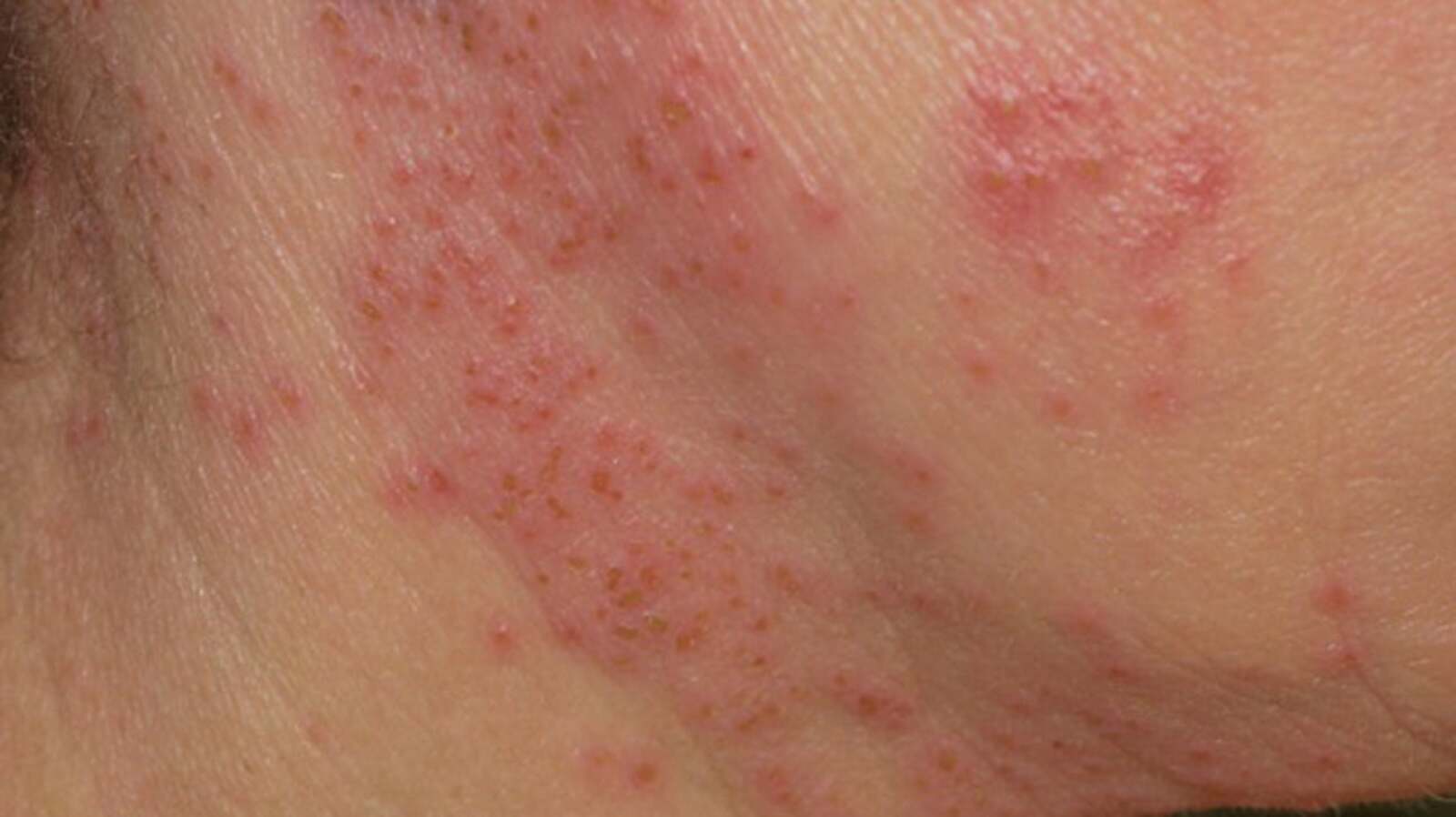
Beyond viral reactivation, persistent sores that fail to heal within two weeks should be evaluated for potential malignancy or chronic inflammatory conditions. Dermatologists emphasize that the lips are highly susceptible to actinic damage from ultraviolet radiation, which can lead to precancerous changes. Routine screening during annual physical examinations is a standard preventative measure recommended for adults, particularly those with a history of significant sun exposure.
Clinical Perspectives on Lip Discoloration
Changes in the natural color of the lips, such as the development of deep reddish-purple or hyperpigmented patches, can indicate issues ranging from circulatory problems to metabolic imbalances. A cyanotic or bluish tint often suggests hypoxemia—a deficiency of oxygen in the blood—and requires immediate cardiac or pulmonary assessment. Conversely, persistent darkening or “bruised” appearances may relate to localized trauma, pigmentary disorders, or specific medication side effects.
Medical professionals categorize these changes based on their onset and duration. A sudden change in color is treated as an acute event, whereas gradual changes are monitored as part of a patient’s chronic health profile. Patients are encouraged to document the timing of these changes and any associated symptoms, such as fatigue or cold intolerance, which helps in the diagnostic process.
Maintaining oral and perioral health requires vigilance regarding these subtle indicators. If you are experiencing persistent symptoms, it is advisable to schedule a consultation with your primary care physician or a dermatologist to determine the appropriate diagnostic path. Please share your experiences or questions in the comments section below, and stay tuned for our next update on dermatological health trends.
Worth a look
- NASA’s Nancy Grace Roman Space Telescope: Launch Prep and Asteroid Detection Mission
- NWT Cancer Report: Government Releases Technical Data on Territorial Cases
- NYU Langone Study Links Midlife Health Habits to Lower Dementia Risk (archyworldys.com)
- Last Chance for Animalia: What Animals Reveal About Us (newsdirectory3.com)