
The global financial landscape faced a period of heightened volatility this week, as major U.S. Stock indices experienced significant downward pressure. Investors are recalibrating their expectations following economic data that has challenged prevailing assumptions regarding the trajectory of monetary policy. The Nasdaq 100 and the S&. P 500 have both felt the impact of a shifting macroeconomic environment, where robust employment figures have collided with investor concerns over the future of interest rates and the sustainability of the current rally in artificial intelligence (AI) stocks.
This market reaction underscores a critical tension currently defining Wall Street: the paradox where positive economic indicators, such as strong job growth, are viewed by some market participants as potential headwinds for equity valuations. As the Federal Reserve navigates the complex task of maintaining economic stability, the recent market performance serves as a stark reminder of how sensitive indices are to shifts in the outlook for interest rate adjustments.
Market Response to Macroeconomic Indicators
The recent volatility in the Nasdaq and S&P 500 has been largely attributed to a reassessment of the Federal Reserve’s path toward monetary easing. Historically, equity markets have often reacted positively to signs of a cooling economy, as such data suggested that the central bank might be more inclined to lower interest rates. However, the latest employment data has introduced a new dynamic, leading investors to reconsider the likelihood of rate cuts in the immediate future.
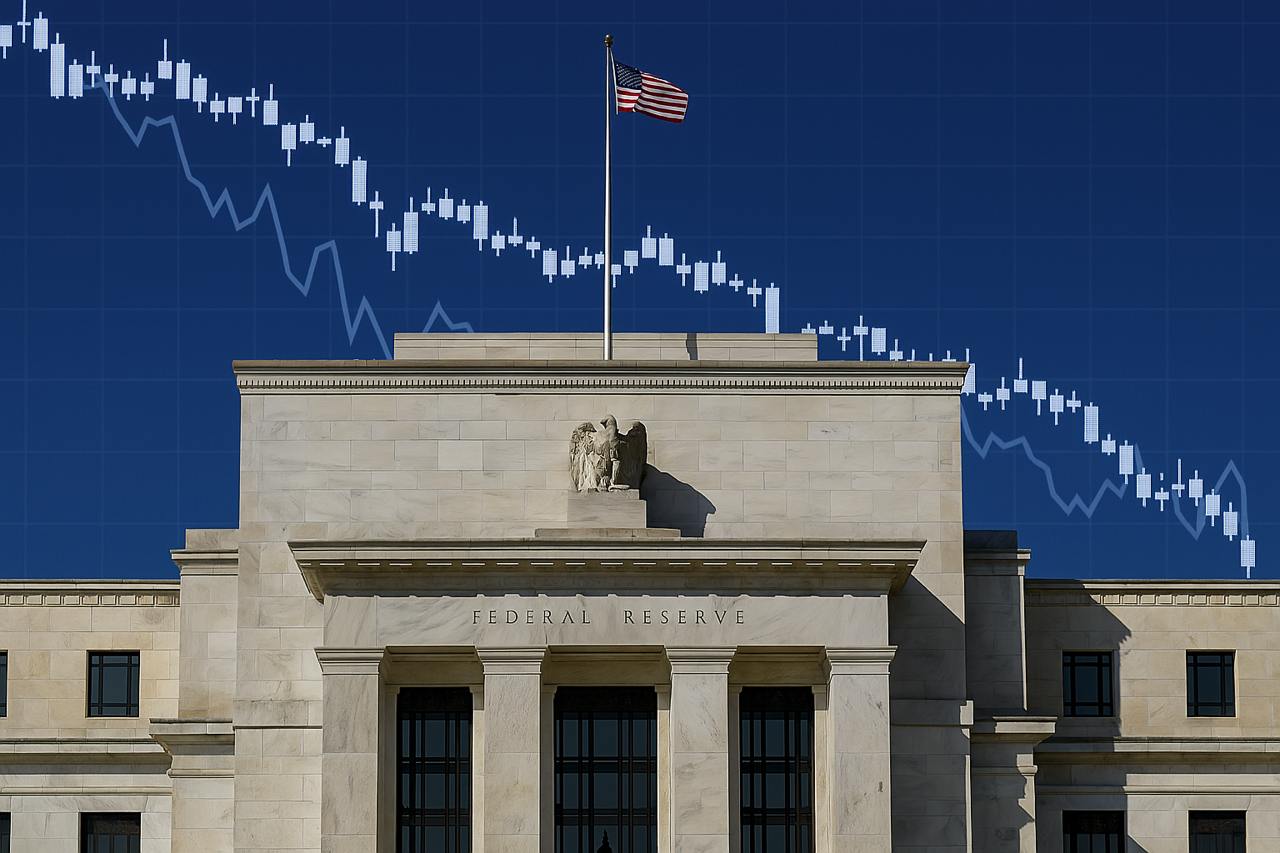
According to market analysis, the strong performance of the labor market in May has significantly altered the probability of a Federal Reserve rate cut in 2026, with some observers noting that the likelihood has diminished to near zero. This shift in sentiment has been particularly pronounced within the technology sector, which has been a primary driver of market growth over the past year. High-growth stocks, which are often valued based on future earnings, are particularly susceptible to changes in the interest rate environment, as higher rates can increase the discount rate applied to those future cash flows.
The Role of Technology and AI Sentiment
The technology sector, and specifically companies involved in the artificial intelligence boom, has faced a period of intense scrutiny. After a prolonged period of expansion, many AI-linked stocks are experiencing a correction as investors take profits and assess the long-term viability of current valuations. The Nasdaq 100, heavily weighted toward technology, has been at the forefront of this movement, reflecting broader concerns regarding sector-specific overextension.
Market participants are closely monitoring these developments, as the health of the tech sector is often viewed as a bellwether for the broader economy. While the potential of AI remains a significant factor in long-term growth forecasts, the immediate market reaction reflects a tactical shift in investor strategy. This shift is characterized by a move toward sectors that may offer more stability in a high-interest-rate environment, as investors seek to hedge against the risks associated with a potential “lost decade” for broader stock indices.
Institutional Perspectives and Future Outlook
Financial institutions and market strategists are currently debating the implications of these trends. As the market digests the latest data, the focus remains on how corporate earnings and macroeconomic variables will interact in the coming months. The challenge for investors is to distinguish between short-term market noise and fundamental shifts in the economic landscape.
For those tracking these developments, official updates from the Federal Reserve regarding monetary policy decisions remain the most critical source of information. The central bank’s communications provide the necessary context for understanding the rationale behind interest rate decisions, which in turn drive market sentiment. Investors are encouraged to review official filings and statements from the Federal Reserve to stay informed on the evolving policy stance.
As we move toward the next series of economic updates, the market will likely continue to exhibit sensitivity to incoming data. The resilience of the U.S. Economy, while positive in terms of growth, continues to complicate the monetary policy outlook. For market participants, maintaining a focus on long-term fundamentals and diversified strategies remains a prudent approach in navigating these uncertain times.
We invite our readers to share their perspectives on the current market climate. How are you adjusting your portfolio in response to these macroeconomic shifts? Join the conversation in the comments section below, and stay tuned to World Today Journal for continued, evidence-based coverage of global financial events.
Related reading