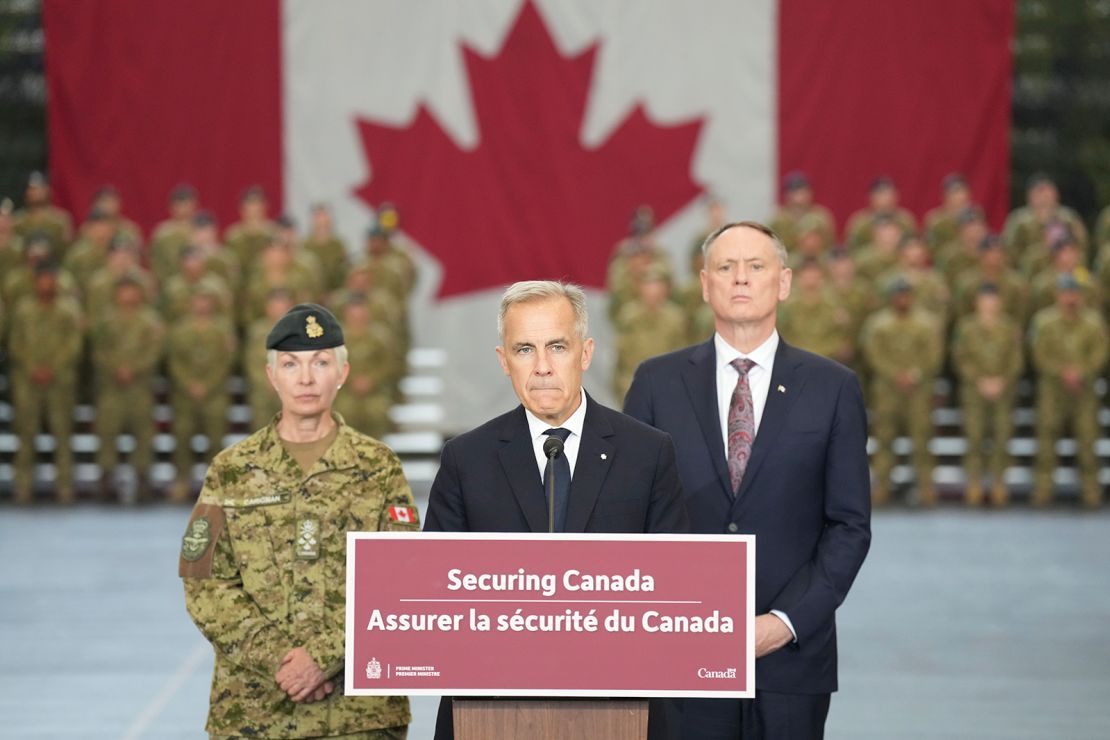
Canada is preparing to announce a coalition of approximately 10 founding nations for a new global defence fund, an initiative intended to bolster military industrial capacity ahead of the upcoming NATO summit. The proposed “Defence Bank” aims to streamline financing for defence-related projects, addressing long-standing concerns regarding the speed and scale of production within the alliance, according to reports from government officials familiar with the discussions.
This initiative arrives at a critical juncture for the North Atlantic Treaty Organization as member states face sustained pressure to increase defence spending and harmonize supply chains. The project is designed to facilitate investment in key technologies and sustain the industrial base necessary to meet the current geopolitical challenges facing the alliance. By establishing a dedicated financial mechanism, participating nations seek to reduce the bureaucratic hurdles that often delay critical defence procurement.
Strategic Rationale for a Defence-Focused Financial Institution
The core objective of the proposed defence bank is to provide a structured financial framework for member countries to pool resources and invest in common security priorities. Historically, defence procurement has been fragmented across national lines, often leading to inefficiencies in production and delivery. According to the North Atlantic Treaty Organization, ensuring the resilience of the defence industrial base is a primary focus for the alliance’s collective security strategy.

For Canada, acting as a lead on this initiative represents a significant commitment to strengthening the alliance’s infrastructure. By gathering a core group of approximately 10 founding nations, Ottawa intends to create a critical mass of support that can attract further investment and participation from across the bloc. This approach mirrors other successful multinational defence initiatives where a primary group of stakeholders establishes the governance and operational standards before expanding membership.
Addressing Production Bottlenecks in the Alliance
A primary driver for the creation of this bank is the urgent need to address production bottlenecks for essential military equipment. Recent conflicts have highlighted the vulnerability of supply chains, particularly regarding ammunition and advanced precision weaponry. The Reuters news agency reported that NATO allies have been actively seeking ways to boost ammunition production to replenish stocks and provide sustained support to partners. A dedicated financial facility would allow for multi-year contracts and long-term investment planning, which are essential for scaling up industrial manufacturing.
The bank is expected to function as a bridge between the private sector and government requirements. By de-risking investments in the defence sector, the institution aims to encourage commercial banks and private equity firms to engage more deeply with defence contractors. This is particularly important for small-to-medium enterprises that often struggle to secure traditional financing for defence-specific research and development.
Anticipated Developments at the NATO Summit
The announcement is expected to coincide with the high-level meetings occurring at the NATO summit, serving as a concrete demonstration of alliance unity and proactive planning. While the exact list of the 10 founding nations has not been finalized for public release, diplomatic sources suggest the group includes countries with significant industrial capabilities and a shared commitment to increasing defence expenditures. The Washington Summit Declaration, issued by heads of state and government, underscores the alliance’s ongoing efforts to strengthen the defence industrial base and enhance interoperability.
Following the formal announcement, the next phase will involve establishing the legal and administrative infrastructure for the institution. This will likely include defining the governance structure, setting initial capital requirements, and outlining the criteria for project eligibility. Member states will also need to align their national regulations to ensure that the bank can operate seamlessly across borders.

As the summit progresses, observers will be looking for further details on how the bank will coordinate with existing financial institutions and how it will balance the needs of smaller member states against those with larger industrial footprints. The success of the initiative will ultimately be measured by its ability to shorten the time between a procurement order and the delivery of equipment to the front lines. Readers interested in the official outcomes of these discussions should monitor the official NATO website for the latest press releases and statements following the conclusion of the summit.
We invite our readers to share their thoughts on the role of specialized financial institutions in modern defence strategy in the comments section below.