
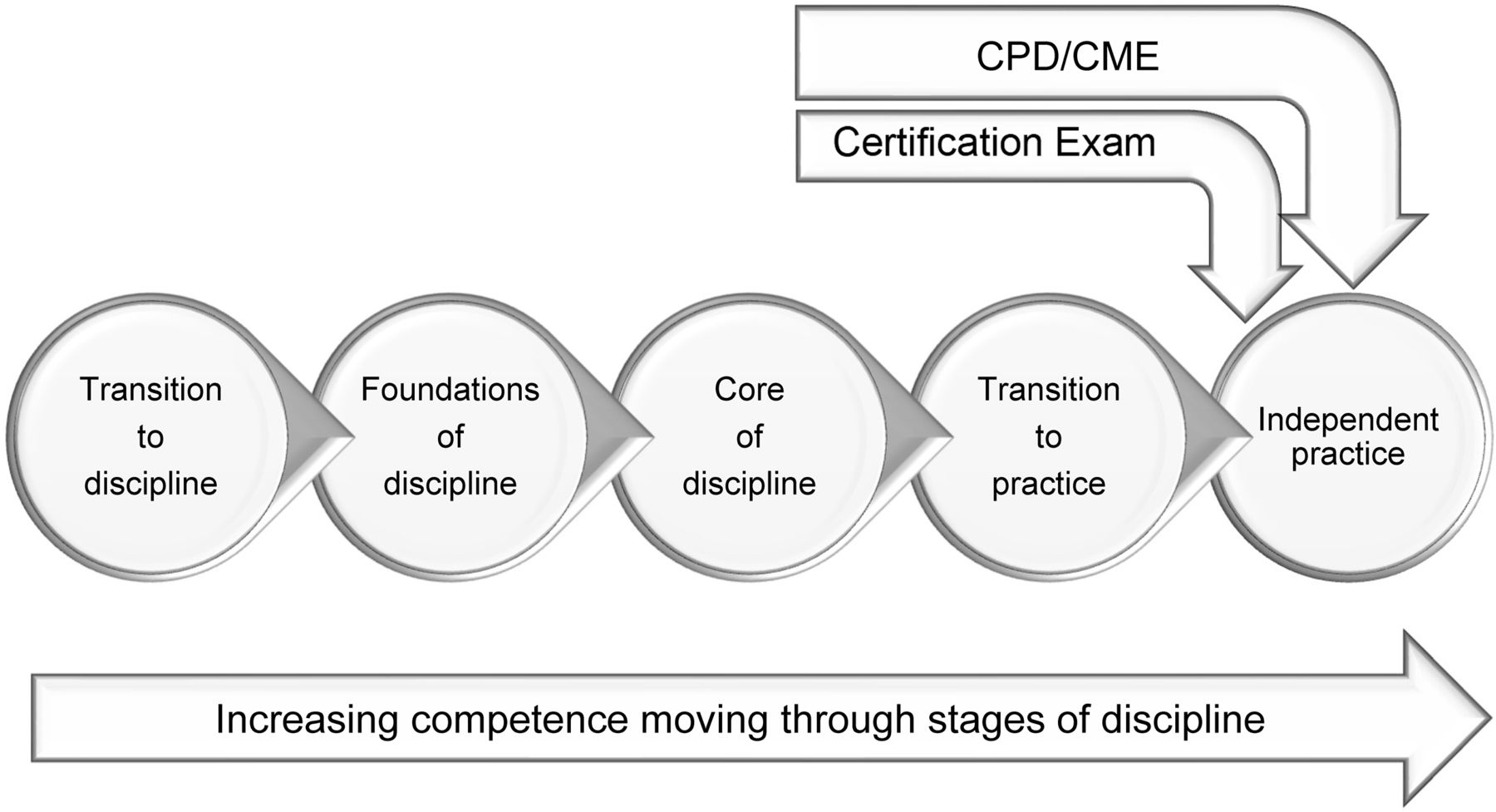
The international mobility of healthcare professionals remains a cornerstone of modern medical practice, yet the transition between distinct regulatory environments presents significant challenges. For psychiatrists trained in the United Kingdom who seek to establish a practice in Canada, the journey involves more than just a change of scenery; it requires navigating a complex landscape of professional accreditation, varying clinical standards, and provincial licensing requirements. As these clinicians move across borders, they often encounter systemic hurdles that can delay their ability to provide patient care in their new home.
For medical professionals, understanding the mechanisms of cross-border credential recognition is essential. In Canada, the regulation of physicians is a provincial and territorial responsibility, meaning that those moving from the United Kingdom must satisfy specific criteria set by the Royal College of Physicians and Surgeons of Canada, which oversees the assessment of international medical graduates seeking specialty certification. This process ensures that clinical competencies align with Canadian national standards, a necessary step for ensuring patient safety and high-quality mental healthcare delivery.
Navigating Regulatory and Clinical Landscapes
The transition for UK-trained psychiatrists often begins with the recognition of their prior training and experience. Unlike some professions with standardized international reciprocity, medicine requires rigorous verification of medical school credentials, postgraduate residency training, and evidence of independent practice. The Medical Council of Canada plays a pivotal role in this assessment, providing the framework for doctors to demonstrate their readiness for the Canadian healthcare system. For many, this involves not only administrative paperwork but also potential examinations to confirm that their expertise matches the specific needs of Canadian patients.
Beyond the formal licensing hurdles, psychiatrists must adapt to the organizational culture of Canadian mental health services. While both countries operate publicly funded healthcare models, the delivery of psychiatric care—ranging from community-based outreach to hospital-based inpatient services—can vary significantly between provinces like Ontario, British Columbia, or Quebec. Understanding these regional nuances is critical for clinicians who wish to integrate effectively into interdisciplinary teams, where the roles of nurse practitioners, psychologists, and social workers may differ from their experiences in the National Health Service (NHS).
Barriers to Entry and Professional Integration
Research into the experiences of healthcare professionals navigating these systems highlights that the greatest barriers often include the time-intensive nature of credentialing and the requirement for “Canadian clinical experience” before full licensure can be granted. According to a systematic review published in Frontiers in Public Health, emerging adults in Canada face specific challenges in accessing mental healthcare, and the availability of qualified psychiatrists is a vital component in addressing these service gaps (Murray and Knudson, 2023). When foreign-trained specialists are delayed in the licensing process, the ripple effect is felt by patients who are already grappling with limited access to specialized psychiatric support.

the transition involves mastering the specific legal and ethical frameworks that govern mental health in Canada. Each province maintains its own Mental Health Act, which dictates the standards for involuntary admission, patient rights, and the legal obligations of the attending psychiatrist. Mastering these statutes is essential for any clinician transitioning from the UK to Canada, as the legal protections and processes can differ substantially from those established under English or Scottish law.
The Path Forward for Global Medical Mobility
Addressing the challenges faced by UK psychiatrists moving to Canada is a matter of ongoing policy discussion. Regulatory bodies are increasingly looking at ways to streamline assessment processes without compromising the high standards of care that define the Canadian medical system. For the individual practitioner, the process requires patience, meticulous documentation, and a willingness to engage with the provincial colleges of physicians and surgeons early in the relocation process.
As the global demand for mental health services continues to rise, the ability to facilitate the movement of highly trained medical professionals will remain a priority. For those currently preparing for this transition, the best course of action is to consult the specific requirements of the provincial regulatory body where they intend to practice and to remain updated through official channels such as the Royal College of Physicians and Surgeons of Canada. By understanding the regulatory requirements and the local clinical context, these psychiatrists can better position themselves to contribute to the Canadian healthcare system and provide essential care to their future patients.
We invite our readers to share their experiences or questions regarding professional licensing and medical mobility in the comments section below. For the most current updates on licensing requirements, please visit the official portals of the Federation of Medical Regulatory Authorities of Canada.