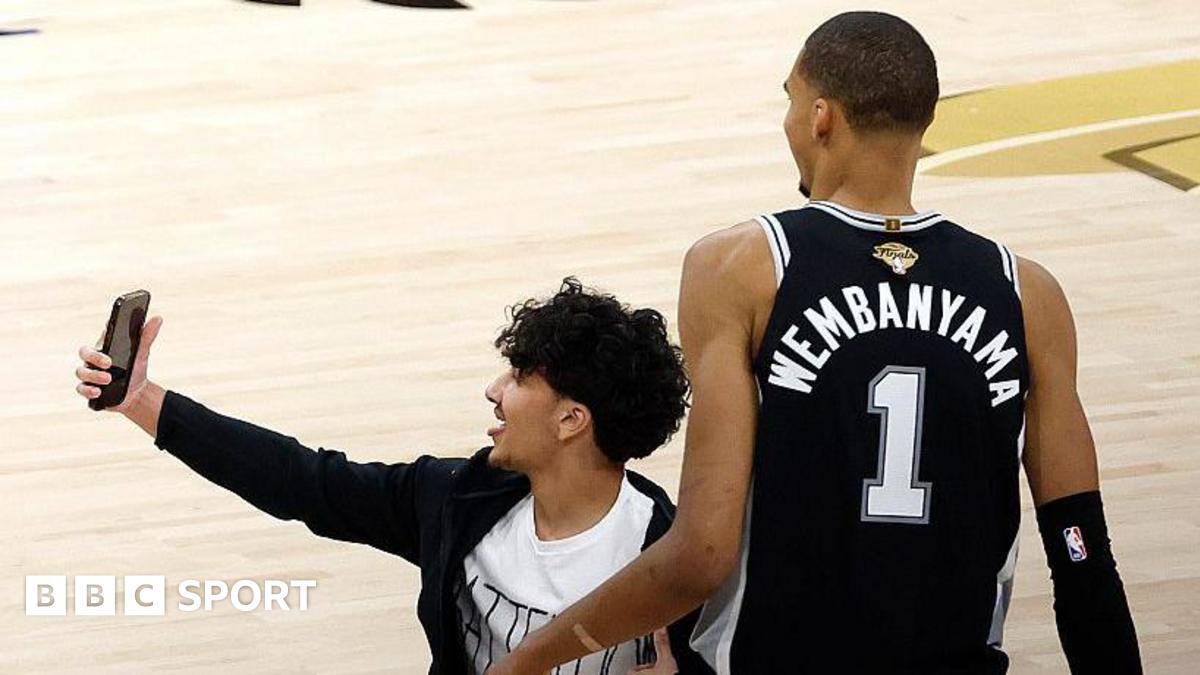
NBA commissioner Adam Silver has issued a stern warning regarding the safety and conduct of spectators following a recent court invasion at a professional basketball game. Addressing the growing concern over fan behavior, Silver described these incidents as a misguided use of the league’s prominence, emphasizing that the repercussions for such actions are severe and long-lasting for those involved.
The league’s firm stance comes as security protocols at major sporting venues are under increased scrutiny. For the NBA, which relies on an intimate connection between the game and the fans courtside, balancing accessibility with the absolute necessity of player and participant safety remains a primary challenge for team operations and arena management.
The Consequences of Unauthorized Court Access
The fallout for individuals who breach security to enter the playing area is immediate and absolute. According to league officials, the specific individuals involved in a recent high-profile court invasion have been issued a lifetime ban from all NBA arenas. This administrative action serves as the standard enforcement for such security breaches, ensuring that those who jeopardize the integrity of the game are permanently barred from league-sanctioned events.
Commissioner Silver noted that high-profile sports events provide an “enormous platform to do stupid things,” but cautioned that the “consequences are dramatic.” By utilizing the league’s authority to impose lifetime bans, the NBA aims to deter future disruptions. These bans are enforced through centralized security databases and coordination with venue operators across all 30 NBA teams, effectively restricting access to any arena hosting league contests.
Maintaining Security in an Accessible League
The NBA has long prided itself on the proximity of its fans to the action, a feature that distinguishes the sport from many other international professional leagues. However, this design creates inherent vulnerabilities. Arena security teams utilize a combination of physical barriers, floor-level personnel, and surveillance technology to monitor crowd behavior throughout the duration of a game.
In addition to the lifetime bans, the league frequently reviews its security procedures in collaboration with local law enforcement to address potential threats to players, coaches, and officials. While the majority of fans adhere to the spectator code of conduct, the league maintains that any crossing of the boundary onto the court constitutes a significant violation of safety standards. This zero-tolerance policy is intended to protect the professional environment and ensure that the focus remains entirely on the competition on the floor.
Why Fan Conduct Matters for the Future of the Sport
The conversation surrounding fan behavior is not isolated to the NBA; it is part of a broader discourse within global sports regarding the expectations of spectators. As sports venues continue to serve as major public gathering spaces, the responsibility of the fan to respect the playing environment has become a focal point for league administrators.
For those attending games, the message from the commissioner’s office is clear: the privilege of watching professional athletes in person is contingent upon following the established rules of the arena. When these rules are violated, the loss of access is not merely a temporary inconvenience but a permanent removal from the professional basketball community. As the season continues, the league remains committed to monitoring crowd interactions and adjusting security measures as necessary to uphold the safety of everyone inside the arena.
We will continue to track any further updates regarding league security policies and official statements from the commissioner’s office as they become available. Please share your thoughts in the comments section below regarding how sports leagues can best balance fan engagement with the need for rigorous safety standards.
Worth a look