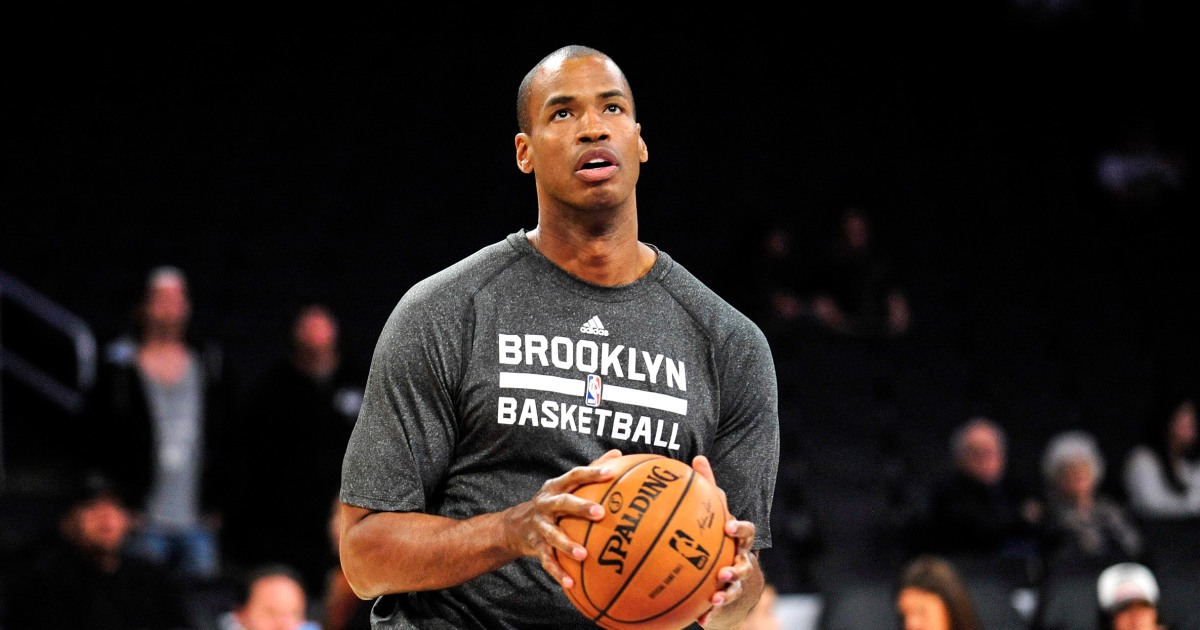
London, UK — May 13, 2026 Jason Collins, the pioneering NBA center who became the first openly gay male athlete to play in any of America’s four major professional sports leagues, has died at age 47 following an eight-month battle with glioblastoma, the NBA confirmed Tuesday. His death marks the end of an era for LGBTQ+ representation in professional athletics and leaves a legacy of courage that transcended basketball.
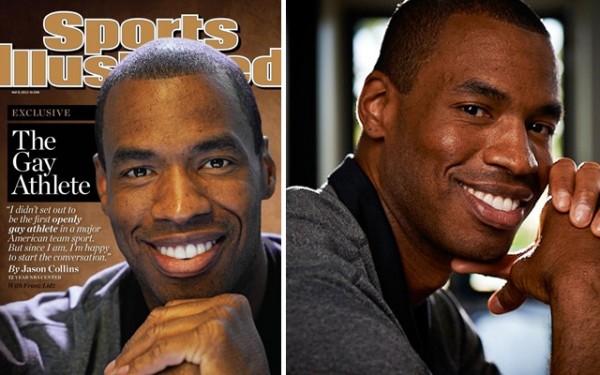
The NBA released a statement on behalf of Collins’s family, calling him “an inspiration to all who knew him and to those who admired him from afar.” The league’s tribute underscored Collins’s dual role as a trailblazer in sports and a public figure whose 2013 coming-out announcement in Sports Illustrated reshaped conversations about LGBTQ+ acceptance in male-dominated professional environments.
Collins’s journey from high school star to NBA pioneer began in Southern California, where he and his twin brother, Jarron, became basketball prodigies before both attended Stanford University. His 13-year NBA career spanned eight teams from 2001 to 2014, culminating in his historic 2013 essay where he wrote, “I’m a 34-year-old NBA center. I’m black. And I’m gay.” The declaration earned immediate support from figures like former President Barack Obama and NBA legend Steve Nash, who publicly affirmed their respect for his courage.
From Court to Advocacy: A Life Defined by Visibility
Collins’s post-playing career was marked by advocacy work, including serving as an ambassador for the NBA and LGBTQ+ rights organizations. In September 2025, he publicly announced his diagnosis of glioblastoma, an aggressive brain cancer, which he battled with remarkable transparency. His openness about the illness—including the physical and emotional toll—further cemented his status as a role model beyond sports.
Key Takeaways:
- Collins was the first openly gay male athlete in any of America’s four major professional sports leagues (NBA, NFL, MLB, NHL).
- His 2013 Sports Illustrated essay marked a watershed moment for LGBTQ+ visibility in professional sports.
- Diagnosed with glioblastoma in late 2025, Collins underwent treatment for eight months before his death at 47.
- Post-retirement, he became a prominent advocate for LGBTQ+ rights and brain cancer awareness.
A Legacy of Courage: How Collins Changed Sports Forever
Collins’s impact extended far beyond his on-court statistics. As the first active openly gay player in NBA history, he forced a reckoning with homophobia in sports—a conversation that had previously been relegated to the margins. His decision to come out while still playing in the league demonstrated a level of vulnerability that challenged stereotypes about masculinity in athletics.
Sports historians and LGBTQ+ advocates have noted that Collins’s legacy is twofold: he not only broke barriers but also provided a blueprint for future generations of athletes. “Jason didn’t just play basketball; he played a pivotal role in rewriting the rules of what it means to be an athlete in America,” said Sarah Kate Ellis, president of GLAAD, in a statement to NBC News. “His courage gave countless others the confidence to be their authentic selves.”
The NBA’s official statement highlighted the outpouring of support Collins received during his illness, describing it as “exceptional medical care from his doctors and nurses” alongside “an outpouring of love and prayers” from fans worldwide. His husband, Brunson Green, has been a visible presence in Collins’s life since their 2017 marriage, further normalizing LGBTQ+ relationships in public discourse.
What Happens Next: Honoring Collins’s Memory
While the NBA has not yet announced plans for a memorial or tribute event, Collins’s family is expected to share details in the coming days. Fans and organizations are already organizing vigils and fundraising efforts in his honor. The NBA’s official website will likely feature a dedicated tribute page with updates from the league.
For those seeking to honor Collins’s memory, several avenues are available:
- Donations: The Glioma Foundation and GLAAD are accepting contributions to support brain cancer research and LGBTQ+ advocacy.
- Awareness: Use the hashtag #JasonCollinsLegacy on social media to share stories of personal impact.
- Education: The NBA’s social justice initiatives continue Collins’s work in promoting inclusivity in sports.
Why It Matters: The Ripple Effects of Collins’s Courage
Collins’s life and death serve as a reminder of the progress—and ongoing challenges—facing LGBTQ+ athletes. While visibility has increased since his 2013 coming out, recent studies suggest that 40% of LGBTQ+ athletes still hesitate to come out publicly due to fear of discrimination (OutSports, 2025). Collins’s story demonstrates that while progress is possible, systemic change requires sustained advocacy.
His battle with glioblastoma also shed light on the critical need for better brain cancer research. The American Cancer Society reports that glioblastoma has a median survival rate of 12–15 months for most patients, though Collins’s eight-month fight was notably longer than average—a testament to the quality of care he received.
A Final Tribute: Words from Those Who Knew Him
Collins’s influence is perhaps best captured in the words of those who worked alongside him. Former NBA player Steve Nash posted on Twitter in 2013: “Maximum respect to Jason Collins. Your courage is inspiring.” While Nash did not issue a statement following Collins’s death, his earlier words reflect the enduring admiration Collins inspired.
The NBA’s statement concluded with a poignant note: “Our family will miss him dearly.” As the league and global sports community process his loss, Collins’s legacy as a pioneer remains unshaken—a beacon for athletes, advocates and anyone who has ever dared to defy expectations.
Next Steps: The NBA will provide further updates on memorial plans via its official news portal. In the meantime, we encourage readers to share their own stories of how Collins’s courage has impacted them in the comments below.
Related reading