
Japan is confronting an unprecedented surge in bear-related incidents, with more than 14,000 bears killed in the past year alone—a figure that has alarmed conservationists, local governments, and wildlife experts. The crisis centers on the Ussuri brown bear (Ursus arctos lasiotus), a subspecies native to Hokkaido and parts of the Russian Far East, alongside the Asian black bear (Ursus thibetanus). While the exact causes remain debated, experts point to a combination of declining natural prey populations, expanding human settlements into bear habitats, and a lack of coordinated wildlife management policies as primary drivers. The toll on Japan’s bear populations—already classified as Vulnerable in parts of their range—has prompted urgent calls for action, but solutions remain elusive amid bureaucratic hurdles and public safety concerns.
The scale of the crisis was underscored in April 2026, when Japan’s Ministry of the Environment confirmed that bear-related incidents had reached record levels, with sightings in Hokkaido alone surpassing 2,009 in the spring season—the highest in eight years of tracked data. The spike coincides with Japan’s Golden Week travel surge, as bears venture closer to populated areas in search of food. Meanwhile, a crowdsourced bear-sighting platform called Kumamap, which aggregates verified incidents from prefectural sources, reported 129,380 total bear encounters nationwide in 2025, a 20% increase from the previous year. The platform’s data, cross-verified by municipal authorities, has become a critical tool for hikers, farmers, and local governments navigating the crisis.
Why is this happening? The primary factor is habitat fragmentation. As urbanization and agriculture encroach on forested areas—particularly in Hokkaido, where 99% of Japan’s Ussuri brown bears reside—bears are forced into closer proximity with humans. Compounding the issue is the decline of natural food sources, such as salmon and berries, due to climate change, and overfishing. In response, bears raid garbage bins, farms, and even residential areas, leading to retaliatory killings by farmers and residents. According to a 2025 report by Japan’s Environment Ministry, over 80% of bear deaths in 2025 were attributed to human-caused factors, including road accidents, poisoning, and lethal control measures.
Conservation Crisis: A Species on the Edge
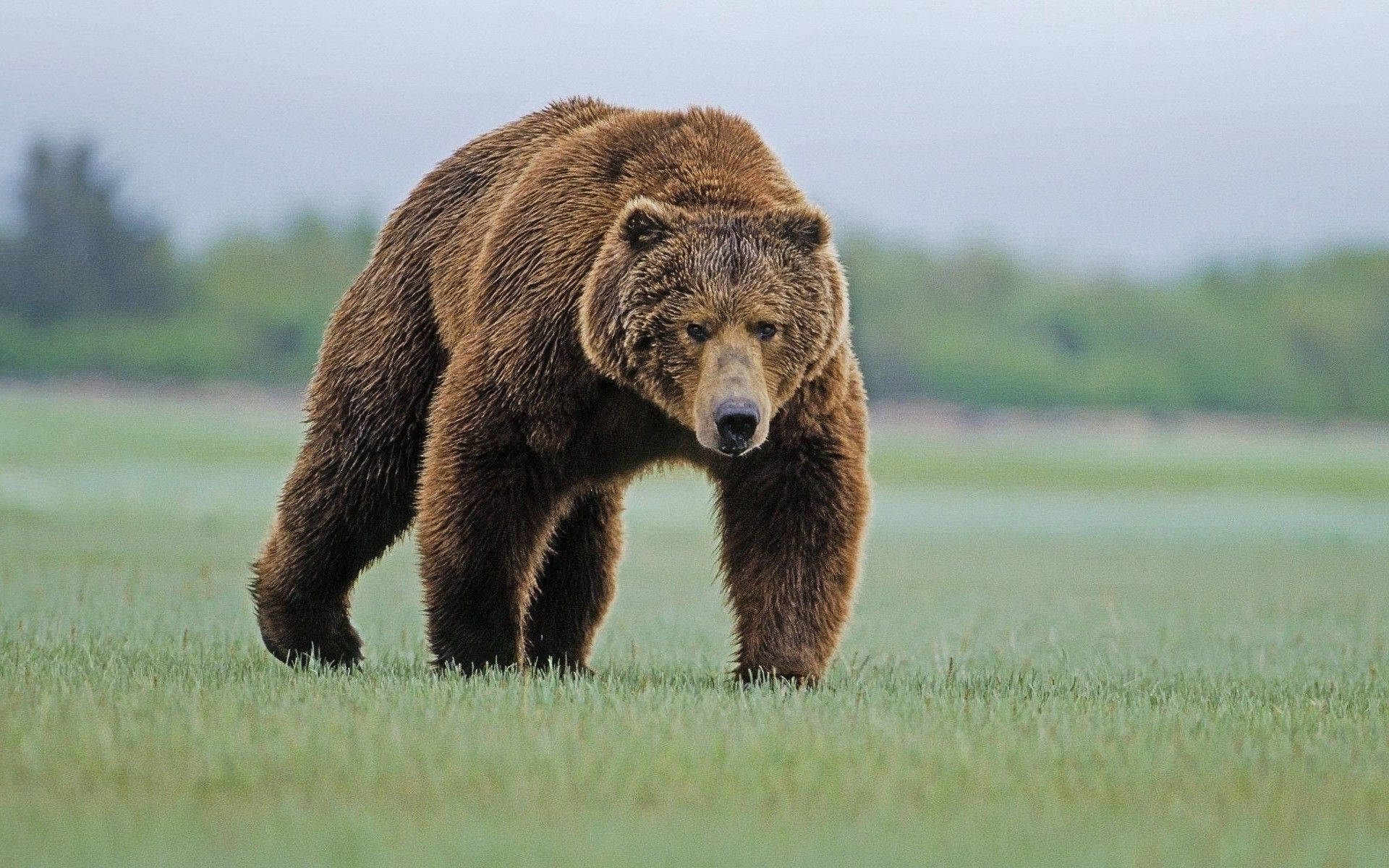
The Ussuri brown bear is one of the largest brown bear subspecies, with males reaching up to 300 kg (660 lbs) and standing over 2.5 meters (8.2 feet) tall. Despite their size, they are not aggressive toward humans unless provoked, yet their growing encounters with people have fueled a cycle of fear and lethal responses. Conservationists warn that the current trajectory could push the subspecies toward endangered status, particularly in China and Russia, where populations have already been classified as Vulnerable by the International Union for Conservation of Nature (IUCN). In Japan, however, the bear’s status remains Least Concern—a classification that critics argue is outdated given the accelerating threats.
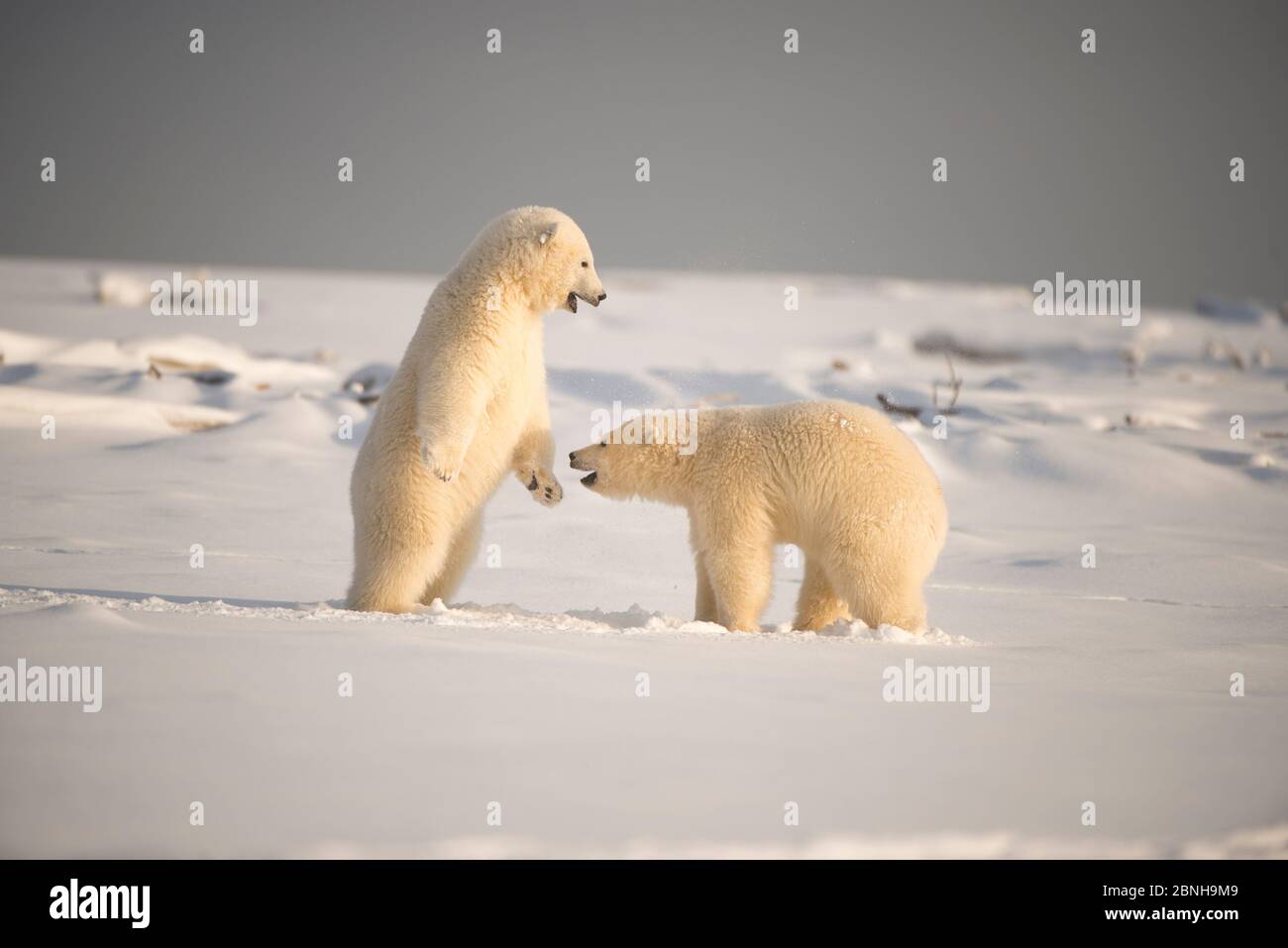
Efforts to mitigate the crisis have included non-lethal deterrents, such as bear-proof trash bins and electric fences, as well as relocation programs for problem bears. However, these measures have proven insufficient to address the root causes. A 2024 study published in the Journal of Wildlife Management found that only 12% of relocated bears survived more than a year in new habitats due to territorial conflicts and lack of food resources. Meanwhile, public opinion remains divided: while urban residents often support stricter protections, rural communities—particularly farmers—continue to demand lethal measures to protect livestock and crops.
Human Impact: Who Bears the Brunt?
The crisis has had far-reaching consequences beyond wildlife conservation. In Hokkaido, where 90% of Japan’s Ussuri brown bears live, local economies tied to agriculture and tourism are under strain. Farmers have reported losses exceeding ¥500 million ($3.3 million) in 2025 alone due to bear raids, according to the Hokkaido Prefectural Government. Tourism, a key industry in regions like Daisetsuzan National Park, has also suffered as hikers avoid bear-prone areas, leading to cancellations and lost revenue.
For indigenous communities, such as the Ainu people, the situation is particularly fraught. The Ainu, whose traditional territories overlap with bear habitats, have long coexisted with the animals through cultural practices. Yet, modern conflicts have deepened tensions, with some Ainu leaders calling for greater involvement in conservation policies. “This represents not just about bears,” said Takashi Nakamura, a spokesperson for the Ainu Association of Hokkaido, in a 2025 interview. “It’s about the future of our land and our way of life.”
What’s Next? Policy Gaps and Public Pressure
Despite the urgency, Japan’s response has been fragmented. While the national government has pledged additional funding for wildlife management, implementation has been slow, with only ¥1.2 billion ($8 million) allocated in 2026—a figure critics say is woefully inadequate. Local governments, meanwhile, lack standardized protocols, leading to inconsistent enforcement of bear safety measures.
Public pressure is mounting, however. A petition launched in March 2026 by environmental groups, including the World Wildlife Fund (WWF) Japan and Greenpeace Japan, has garnered over 500,000 signatures demanding a national bear conservation strategy. The petition calls for:
- A ban on lethal control measures except in cases of immediate human threat;
- Expanded habitat corridors to connect fragmented populations;
- Mandatory public education campaigns on bear safety and coexistence;
- Increased funding for non-lethal deterrents, such as motion-activated alarms and reinforced fencing.
The next critical checkpoint will be the June 2026 meeting of Japan’s Wildlife Protection Council, where officials are expected to review proposed amendments to the Wildlife Protection and Hunting Management Law. If reforms are approved, they could mark a turning point—but without stronger political will and public support, experts warn that the crisis will persist.
How You Can Help: Resources and Actions
For readers concerned about the plight of Japan’s bears, several organizations are actively working on solutions:
- WWF Japan: Offers updates on conservation efforts and ways to donate.
- Kumamap: Provides real-time bear sighting alerts and safety tips for hikers.
- Hokkaido Prefectural Government: Publishes official advisories and incident reports.
- IUCN Red List: Tracks the conservation status of the Ussuri brown bear globally.
If you’re planning a trip to Hokkaido or other bear habitats, follow these safety guidelines from the Hokkaido government:
- Avoid hiking alone in bear-active areas, especially during dawn and dusk.
- Make noise while walking to avoid surprising bears.
- Carry bear spray and know how to use it.
- Never feed bears—this encourages dangerous behavior.
- Report sightings to local authorities or Kumamap immediately.
Key Takeaways
- Over 14,000 bears were killed in Japan in 2025–2026, primarily due to human-wildlife conflict.
- The Ussuri brown bear faces critical habitat loss in Hokkaido, where 99% of Japan’s population resides.
- 80% of bear deaths in 2025 were human-caused, including retaliatory killings.
- Japan’s Wildlife Protection Council will review conservation policies in June 2026.
- Public pressure is driving demands for non-lethal solutions and expanded habitat protection.
As Japan grapples with this ecological and humanitarian challenge, the outcome will serve as a test case for how nations balance wildlife conservation with human development. With the next policy decisions looming, the window for meaningful action is closing. What steps should Japan take to protect its bears—and how can global communities learn from this crisis? Share your thoughts in the comments below.