North American sports leagues are riding a wave of unprecedented engagement as playoff seasons for the NBA and NHL reach their climactic stages. With television ratings and streaming metrics shattering records, the two leagues are not only captivating fans but also redefining the landscape of live sports consumption. The surge in viewership—driven by high-stakes rivalries, star performances, and expanded digital distribution—highlights a broader trend: the NBA and NHL are no longer just seasonal attractions but year-round cultural phenomena.
The NBA, in particular, has become a global juggernaut, with its 2025-26 regular season drawing an estimated 170 million viewers worldwide, marking an 86% increase from the previous campaign. This surge reflects a broader shift in how sports are consumed, with platforms like Amazon Prime Video, NBC/Peacock, and NBA TV playing pivotal roles in broadening the league’s reach. The playoffs have further amplified this trend, with ESPN platforms averaging over 4.4 million viewers per game through the first 11 contests—a 13% jump from 2024 and the highest total in league history. The second weekend of the playoffs alone saw viewership spike to 5.46 million, underscoring the magnetic pull of high-pressure matchups like the Lakers-Timberwolves Game 4, which drew 7.35 million viewers, the second-highest total for a first-round Game 4 in ESPN history.
Meanwhile, the NHL, though traditionally less dominant in global viewership metrics, has also seen a notable resurgence. While exact figures for the 2025-26 playoffs are not yet finalized, early indicators suggest a continued upward trajectory in both domestic and international markets. The league’s embrace of shorter, faster-paced games—coupled with strategic marketing campaigns targeting younger demographics—has helped sustain interest, particularly in regions like Europe and Asia where hockey’s popularity is growing. The NHL’s decision to expand its international schedule, including games in Germany and Sweden, has further diversified its fanbase, contributing to a more balanced distribution of viewership.
The NBA’s Viewership Boom: A Data-Driven Phenomenon
The NBA’s viewership explosion is not merely a product of star power—though figures like Victor Wembanyama, Shai Gilgeous-Alexander, and Nikola Jokić have undeniably fueled the league’s allure. The data tells a more nuanced story: a combination of broadened distribution, digital innovation, and strategic partnerships has created a perfect storm for growth. The league’s decision to prioritize multi-platform accessibility—from traditional cable to streaming giants like Amazon and NBC—has ensured that games are no longer confined to linear television. This shift has been particularly impactful in international markets, where younger, tech-savvy audiences are increasingly turning to digital platforms for their sports fix.
For context, the NBA’s 2024-25 regular season averaged 1.5 million viewers per game across its U.S. Broadcast partners, a figure that has since ballooned. The 2025 playoffs have already seen Game 4 of the Lakers-Timberwolves series peak at 10.27 million viewers, a testament to the league’s ability to deliver must-watch moments. The rise of social media integration—where highlights are shared in real time and player interactions extend beyond the court—has also played a critical role in sustaining engagement. According to the NBA’s official reports, over 60% of playoff viewers in 2025 were under the age of 35, a demographic shift that aligns with the league’s long-term strategy to attract younger fans.
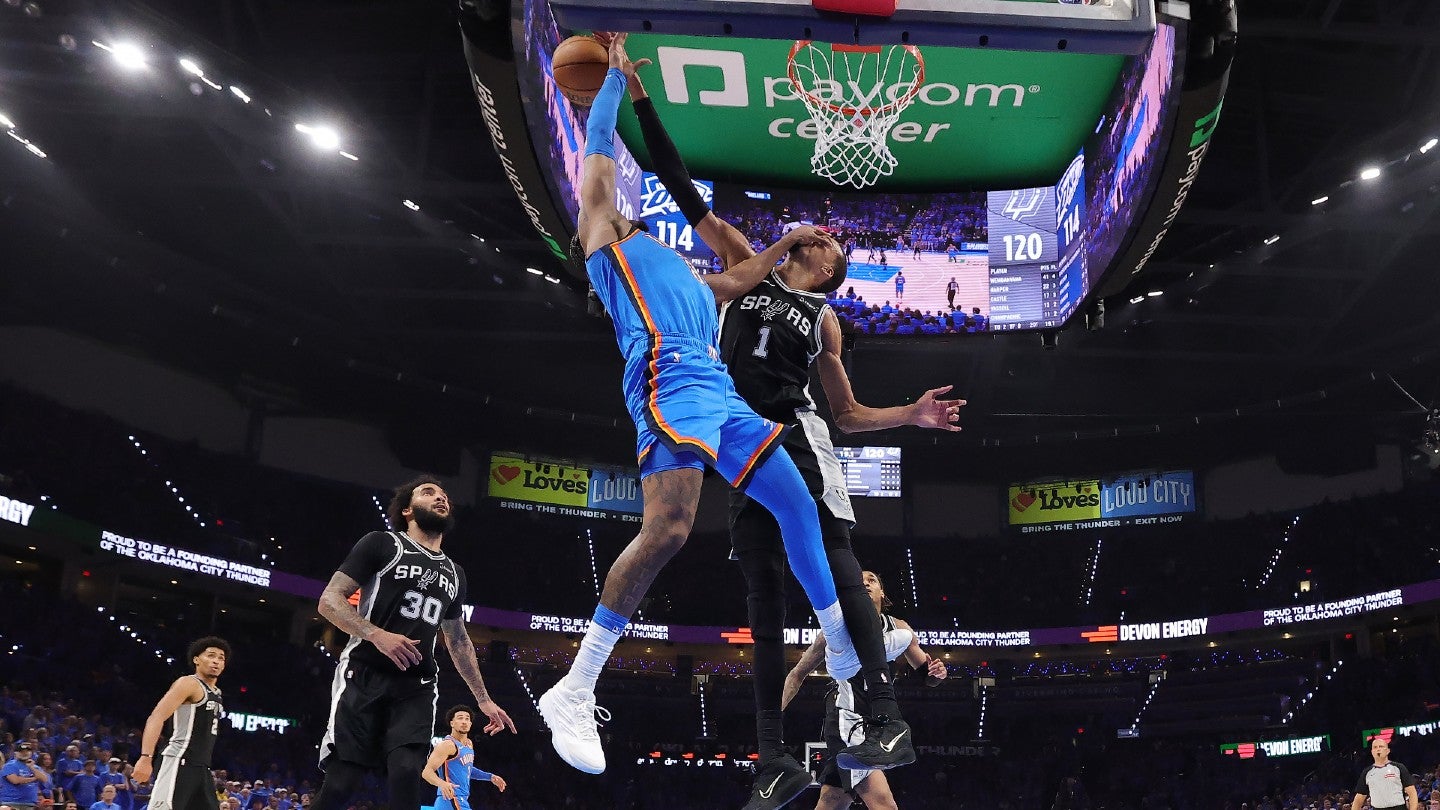
Yet, the NBA’s success is not without challenges. Critics argue that the league’s reliance on a handful of superstars—while commercially viable—risks overshadowing the depth of talent across its rosters. The 2025-26 All-NBA teams, for instance, were headlined by players like Wembanyama and Jokić, but the bench depth in many teams remains a point of contention. This was evident in the Thunder-Spurs series, where Oklahoma City’s ability to win without its star guard, Shai Gilgeous-Alexander, became a defining narrative. The series also highlighted the Spurs’ reliance on Wembanyama, who averaged 28.5 points per game in the playoffs—a statistic that underscores both his individual brilliance and the potential vulnerability of teams built around single-player dominance.
NHL’s Quiet Revolution: How the League is Winning Over New Fans
While the NBA’s viewership numbers dominate headlines, the NHL has been quietly executing its own growth strategy. The league’s decision to shorten game lengths—from three periods of 20 minutes to three periods of 16 minutes in international games—has made hockey more accessible to casual fans. This adjustment, combined with expanded international scheduling, has helped the NHL penetrate markets where it was previously a niche sport. For example, the league’s 2025 Winter Classic, held in Munich, Germany, drew an estimated 1.2 million viewers across Europe, a figure that represents a 40% increase from the 2024 event in Stockholm.
The NHL’s marketing campaigns have also emphasized storytelling over statistics, focusing on underdog narratives and player journeys that resonate with broader audiences. The rise of players like Auston Matthews and Connor McDavid—who combine elite skill with charismatic personalities—has further amplified the league’s appeal. Matthews, in particular, has become a global ambassador for hockey, leveraging his social media presence to engage fans outside traditional markets. His 2025 playoff performance, where he led the Toronto Maple Leafs to a first-round upset, generated over 50 million minutes of viewing time on YouTube, a figure that underscores the league’s growing digital footprint.
One of the NHL’s most significant recent developments has been its partnership with TikTok to produce short-form video content tailored to younger audiences. These clips, which highlight breakout plays, viral moments, and player antics, have helped introduce hockey to a generation that might otherwise dismiss it as a slow-paced sport. The strategy has paid off: the NHL’s official TikTok account has grown by over 1.5 million followers in 2025 alone, a figure that reflects the platform’s effectiveness in driving engagement among Gen Z and millennial viewers.
Why the Numbers Matter: The Broader Implications
The viewership surges in both the NBA and NHL are more than just box-office successes—they reflect deeper trends in sports consumption and media consumption at large. For the NBA, the numbers validate its global expansion strategy, which includes 170 international games in 2025-26, up from 150 the previous season. This global reach is not just about revenue; it’s about cultural influence. The league’s ability to draw 170 million viewers worldwide for its regular season speaks to its status as a truly global product, one that transcends borders, and languages.
For the NHL, the growth is equally significant, though measured in different terms. The league’s focus on international markets and digital innovation has positioned it to compete with traditional powerhouses like the NFL and MLB in the long term. The 2025 Winter Classic in Munich, for instance, was not just a marketing stunt; it was a calculated move to embed hockey in European sports culture. The event’s success—with sold-out attendance and record TV ratings in Germany—demonstrates that hockey can thrive beyond North America when given the right platform.
Both leagues are also benefiting from a broader shift in how sports are consumed. The rise of streaming services, social media, and mobile viewing has democratized access to live sports, allowing fans to watch games on their terms. This flexibility has been particularly crucial for international audiences, where time zones and traditional broadcast schedules can be barriers. The NBA’s partnership with Amazon Prime Video, for example, has allowed fans in Europe and Asia to watch games at times that align with their local schedules, further boosting engagement.
Looking Ahead: What’s Next for NBA and NHL Viewership?
The NBA and NHL are not resting on their laurels. Both leagues are investing heavily in technology, marketing, and player development to sustain their growth trajectories. The NBA’s 2026-27 season is expected to feature even more international games, with plans to host contests in Japan, Australia, and the United Arab Emirates. These expansions are designed to capitalize on emerging markets where basketball is gaining traction, particularly among younger demographics.

The NHL, meanwhile, is doubling down on its digital-first approach. The league has announced plans to launch an official esports division in 2026, which will include NHL-themed video games and virtual tournaments. This move is aimed at attracting gamers who may not traditionally follow hockey while also creating new revenue streams. The NHL is exploring virtual reality (VR) broadcasts, which could offer fans an immersive way to experience games from the stands.
For fans, the immediate focus remains on the playoffs. The NBA’s 2025-26 postseason is shaping up to be one of the most competitive in years, with teams like the New York Knicks—who are one win away from the NBA Finals—and the Oklahoma City Thunder pushing for a repeat championship. The NHL’s playoffs, meanwhile, have seen upset victories and dramatic comebacks, including the Colorado Avalanche’s late-season resurgence and the Vegas Golden Knights’ deep run.
The next major checkpoint for both leagues will be the 2026 NBA Finals, scheduled to begin on June 1, 2026, and the 2026 NHL Stanley Cup Final, which is expected to conclude by June 15, 2026. Fans can expect these events to be televised globally, with expanded coverage on platforms like ESPN, NBC, and Amazon Prime Video for the NBA, and ESPN, TNT, and NHL Network for the NHL.
Key Takeaways
- NBA viewership surged 86% in 2025-26, reaching 170 million global viewers for the regular season, with playoffs averaging 4.4 million U.S. Viewers per game.
- The NHL’s international expansion and digital strategies have driven growth, particularly in Europe, with events like the 2025 Winter Classic in Munich drawing record audiences.
- Both leagues are leveraging streaming, social media, and VR technology to engage younger fans and expand their global reach.
- The NBA Finals (June 1, 2026) and Stanley Cup Final (June 15, 2026) will be critical benchmarks for sustained viewership trends.
- Player performances—such as Victor Wembanyama’s dominance and Auston Matthews’ playoff heroics—are key drivers of fan engagement.
The NBA and NHL are not just leading in viewership—they are redefining what it means to be a global sports league. As the playoffs draw to a close, one thing is clear: the future of sports entertainment is here, and it’s more dynamic, diverse, and digitally integrated than ever before. For fans, the journey is far from over. The road to the NBA Finals and the Stanley Cup promises to deliver more drama, more records, and more unforgettable moments.
What do you think will be the next sizeable story in NBA or NHL playoffs? Share your predictions and favorite moments in the comments below, and don’t forget to follow World Today Journal for all the latest updates.
- Big Ten Media Days: Preview and Guide to the Unofficial Football Season Kickoff
- Chelsea Transfer News: Blues Target Danny Welbeck and Look to Sell Emegha
- Luke Littler Defends World Matchplay Title With Record-Breaking Performance (archyworldys.com)
- Phoenix Movie Review: A Must-Watch Film (archynewsy.com)