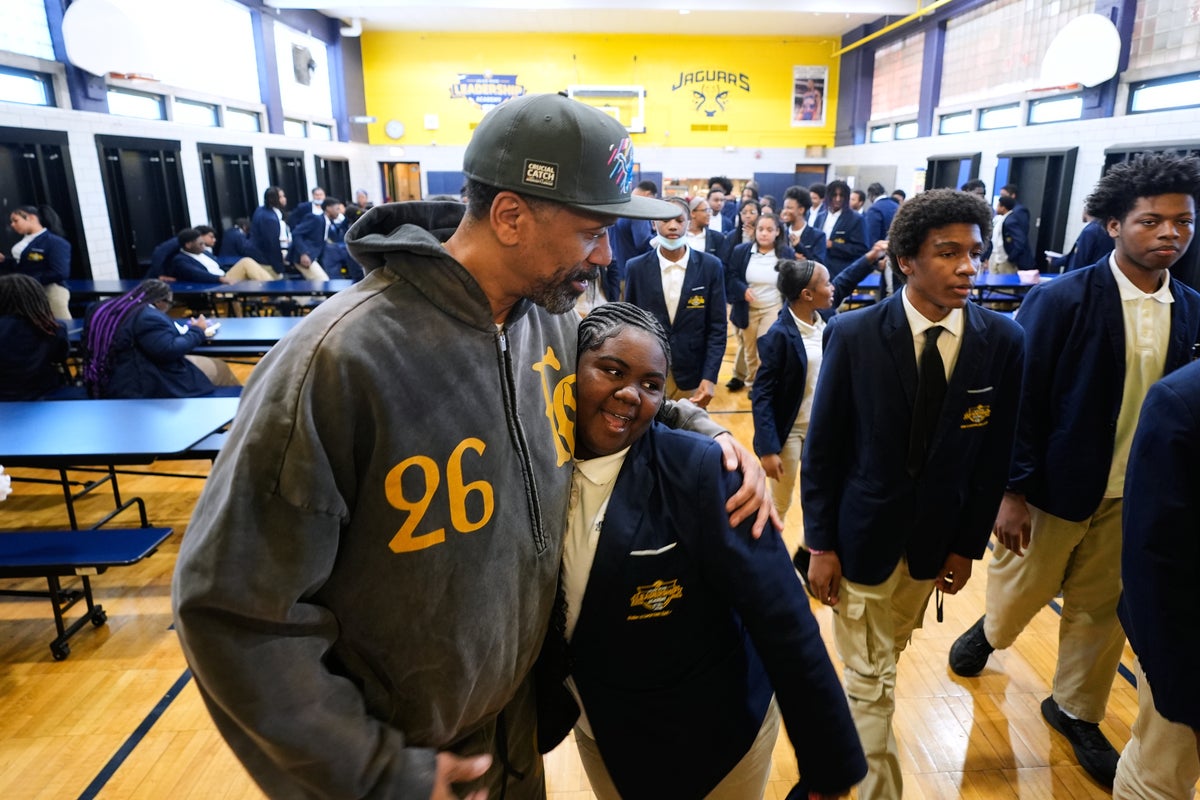
For many, Jalen Rose is defined by the hardwood—the high-flying energy of the “Fab Five” at the University of Michigan and a distinguished 13-season career in the NBA. However, in the heart of Detroit, the former All-Star has traded the roar of the crowd for the quiet determination of the classroom. Through the establishment and stewardship of the Jalen Rose Leadership Academy (JRLA), Rose has transitioned from a sports icon to a pivotal figure in urban educational reform.
Founded in 2011, the Jalen Rose Leadership Academy serves as more than just a school; it is a strategic intervention in a city that has long struggled with systemic educational inequities. By blending rigorous academics with a dedicated leadership curriculum, the institution aims to break the cycle of poverty for underserved youth in Detroit, providing them with the social and intellectual capital necessary to navigate higher education and professional landscapes.
The academy’s inception came four years after Rose’s retirement from professional basketball, marking a deliberate shift toward philanthropy and community development. Rose’s approach is rooted in the belief that talent is distributed equally across zip codes, but opportunity is not. By focusing on the “whole child,” the academy seeks to cultivate not only scholars but citizens capable of leading their communities toward sustainable growth.
From the Court to the Classroom: The Vision Behind JRLA
The motivation for establishing the academy was deeply personal. Growing up in Detroit, Rose witnessed firsthand the disparities in the city’s public education system. The transition from the NBA to the educational sector was not a mere celebrity endorsement project, but a commitment to institutional change. The Jalen Rose Leadership Academy was designed as a public charter school to provide an alternative to the struggling traditional districts, offering a more agile and specialized approach to student development.
At its core, the school operates on the premise that academic excellence is the baseline, while leadership is the differentiator. The curriculum integrates traditional core subjects—mathematics, science, and literacy—with a proprietary leadership framework. This framework encourages students to take ownership of their learning, engage in critical thinking, and develop the “soft skills” often overlooked in standardized testing but essential for success in the modern global economy.
The school’s physical presence in Detroit is also a statement of intent. By investing in a high-quality facility, Rose and his partners sent a clear message to the students: their education is worthy of the best possible environment. This psychological shift—from feeling overlooked to feeling valued—is a cornerstone of the academy’s philosophy.
The Architecture of Leadership and Academic Rigor
Unlike many charter schools that focus solely on test scores, JRLA emphasizes a holistic model of success. The school employs a comprehensive support system that addresses the socio-economic barriers students face outside the classroom. This includes mentorship programs, nutritional support, and partnerships with local businesses to provide real-world exposure to various career paths.
The “Leadership” aspect of the academy is not an elective; it is woven into the daily experience. Students are encouraged to lead peer groups, manage projects, and engage in community service. This pedagogical approach is designed to build confidence in students who may come from environments where their voices have historically been marginalized. By practicing leadership in a safe, supportive environment, students develop the resilience needed to tackle the challenges of college and beyond.
Bridging the Gap to Higher Education
One of the primary metrics of success for the Jalen Rose Leadership Academy is its college placement rate. In a city where access to four-year degrees has historically been limited for minority youth, the academy prioritizes college readiness from an early age. This involves not only academic tutoring but also navigating the complexities of the financial aid process and college applications.
The school’s commitment to higher education is reflected in its partnerships with universities and professional organizations. By creating a pipeline from the classroom to the campus, JRLA ensures that its graduates are not only accepted into college but are equipped with the study habits and emotional maturity to persist through graduation.
Impact on the Detroit Community and Beyond
The ripple effects of the academy extend beyond its enrolled students. By proving that a leadership-focused charter model can succeed in an urban setting, JRLA has contributed to a broader conversation about educational equity in Michigan. The school serves as a case study in how athlete-led philanthropy can move beyond one-time donations toward the creation of sustainable, long-term institutions.
The impact is most visible in the alumni. Graduates of the academy are entering diverse fields—from engineering and medicine to the arts and public policy—carrying with them the “leadership” ethos instilled by the school. This creates a new generation of Detroiters who are equipped to return to their neighborhoods as professionals and mentors, further strengthening the city’s social fabric.
the academy’s presence has encouraged other high-profile figures and organizations to invest in Detroit’s youth. The “Rose model” demonstrates that when a founder remains actively involved—rather than simply attaching their name to a building—the result is a more accountable and responsive educational environment.
Key Takeaways: The JRLA Model
- Holistic Education: Combines rigorous academic standards with a dedicated leadership curriculum to prepare students for life beyond high school.
- Systemic Intervention: Operates as a public charter school to provide high-quality alternatives in underserved areas of Detroit.
- Focus on Equity: Targets the “opportunity gap” by providing students with the resources, mentorship, and facilities typically reserved for wealthier districts.
- Sustainable Philanthropy: Moves from traditional charity to institutional building, ensuring long-term community impact.
- College Pipeline: Prioritizes college readiness and placement to increase the number of degree-holders within the Detroit community.
The Broader Context of Urban Education Reform
The struggle for educational equity is a global challenge, but the American urban experience provides a poignant example of the stakes involved. In many U.S. Cities, school funding is tied to local property taxes, which inherently disadvantages poorer neighborhoods. This creates a cycle where the students who need the most support often attend the schools with the fewest resources.

The Jalen Rose Leadership Academy attempts to disrupt this cycle by diversifying its funding and governance. By utilizing the charter model, the school can implement innovative teaching methods and maintain a level of autonomy that traditional district schools often lack. However, this model is not without its critics, as the debate over charter schools versus traditional public schools continues to divide educators and policymakers.
Despite these debates, the results at JRLA suggest that a focused, leadership-driven approach can yield tangible benefits. The school’s success highlights the importance of “social capital”—the networks of relationships and influence that help individuals move up the socio-economic ladder. By providing students with access to Rose’s network and a culture of professional expectation, the academy provides the social capital that is often missing in underserved communities.
Looking Forward: The Legacy of a New Kind of MVP
As the Jalen Rose Leadership Academy continues to evolve, its focus remains steadfast: empowering the youth of Detroit to become the architects of their own futures. The school continues to refine its curriculum to meet the demands of a digital economy, integrating technology and STEM (Science, Technology, Engineering, and Mathematics) into its leadership framework.
For Jalen Rose, the academy represents a legacy far more enduring than any basketball statistic. While the “Fab Five” changed the culture of college basketball, the academy aims to change the trajectory of thousands of lives. The transition from athlete to educator underscores a critical lesson for global sports figures: the most significant victories often happen far away from the stadium.
The next phase for the academy involves expanding its alumni network and deepening its ties with Detroit’s growing tech and entrepreneurial sectors. By ensuring that students have a direct path from graduation to high-value employment, JRLA is not just educating students—it is fueling the economic revitalization of Detroit.
The ongoing commitment of the academy’s leadership suggests that the school will remain a cornerstone of the community for years to come. As new cohorts of students enter the academy, they do so with the knowledge that they are part of a tradition of excellence and leadership that extends from the court to the community.
For those seeking more information on the academy’s admissions process or wishing to support its mission, official updates and application guidelines are available through the school’s primary administrative portal.
World Today Journal encourages readers to share their thoughts on the role of sports figures in community development in the comments section below.