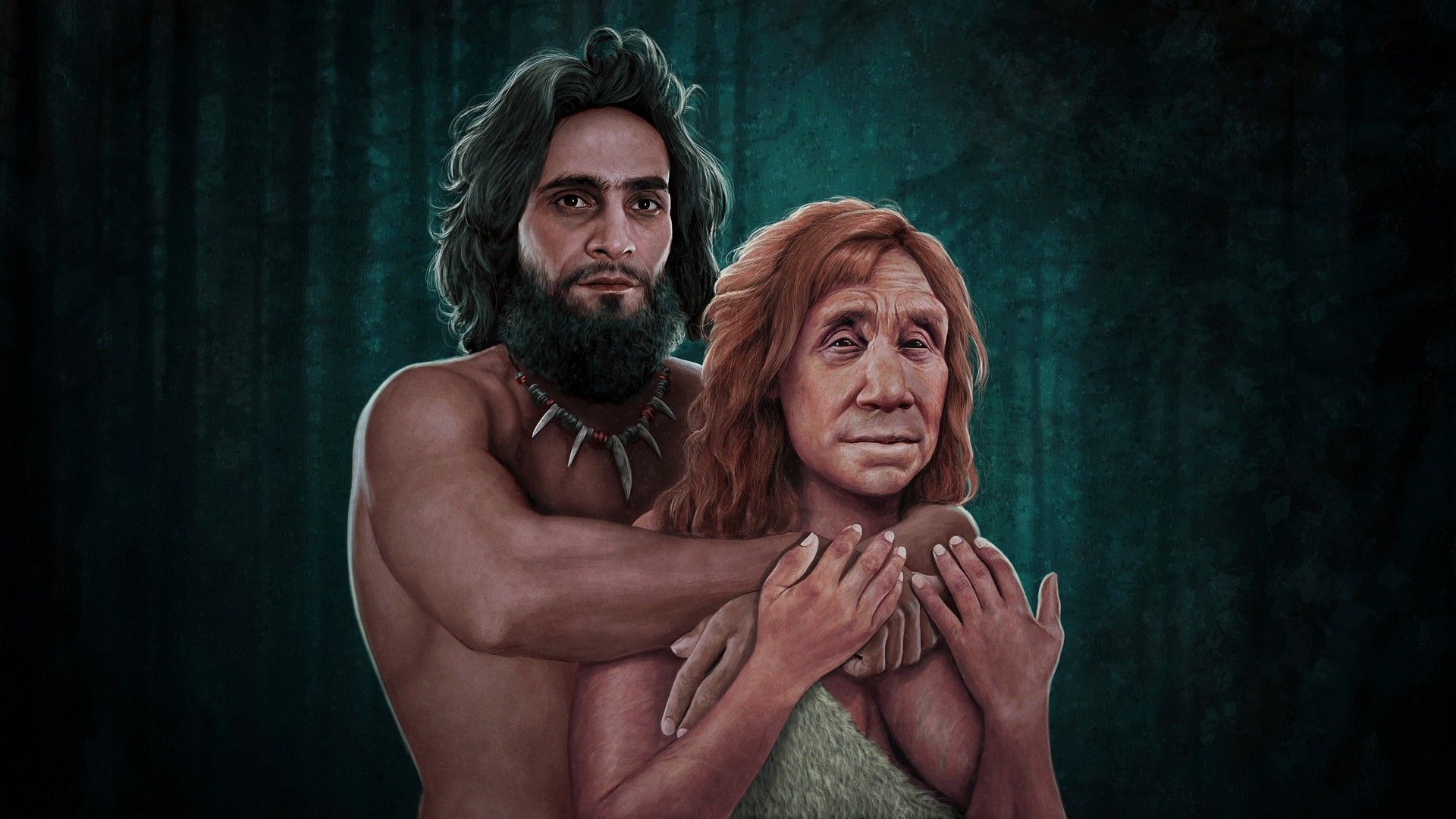
The Enduring Legacy of Neanderthals in Your DNA
For decades, scientists believed Neanderthals were a distinct, evolutionary dead-end. Though, groundbreaking research reveals a far more intimate connection: you carry traces of them within your very DNA. This isn’t just a historical curiosity; it actively influences your health, susceptibility to disease, and even what makes you uniquely human.
How Did Neanderthal DNA Get Into Our Genomes?
Around 60,000 years ago, as modern humans migrated out of Africa, they encountered Neanderthals in Eurasia. Interbreeding occurred, resulting in modern humans inheriting approximately 1-4% of their genome from thes ancient hominins. This might seem small,but considering the human genome contains roughly 3 billion base pairs,it represents a significant amount of genetic material.
What Does neanderthal DNA Do For You?
The effects of this ancient genetic mixing are surprisingly diverse. researchers are uncovering links between Neanderthal DNA and a range of modern traits and conditions. Here’s a breakdown of key areas:
* Immunity: Certain Neanderthal genes boosted the immune systems of early humans, offering protection against local pathogens. However,these same genes can now contribute to autoimmune disorders like crohn’s disease,lupus,and rheumatoid arthritis.
* Skin & Hair: Neanderthal DNA influences skin tone, hair color, and your susceptibility to sunburn. These adaptations likely helped early humans thrive in new climates.
* Metabolism: Variations inherited from Neanderthals can affect your metabolism, possibly increasing your risk of type 2 diabetes.
* Behavioral Traits: Emerging research suggests links between Neanderthal genes and aspects of your behavior, including sleep patterns, mood, and even addiction.
* Disease Risk: Neanderthal DNA has been associated with increased risk of blood clotting disorders and certain types of cancer.
The Ongoing elimination and Embedding of Ancient genes
Not all Neanderthal DNA is created equal. Over time, some fragments will naturally fade from our genomes through the processes of genetic drift and selection. Though, other segments prove remarkably resilient, becoming firmly integrated into our genetic makeup.
Scientists are actively investigating why certain Neanderthal genes persist while others disappear. This research provides valuable insights into the evolutionary pressures that shaped modern humans.
the Power of New Technologies
unraveling the complexities of Neanderthal DNA requires cutting-edge technology. Tools like CRISPR gene editing are revolutionizing our ability to understand the functional impact of these ancient genes. By precisely altering DNA sequences, researchers can pinpoint how Neanderthal variants contribute to specific traits and diseases.
Furthermore, artificial intelligence (AI) is being applied to ancient genomes, creating a more detailed picture of Neanderthal biology and behavior. This allows scientists to explore how Neanderthals themselves might have been influenced by interbreeding with early humans.
Beyond Health: Understanding What Makes Us Human
Studying Neanderthal DNA isn’t just about understanding disease. It’s about defining what makes us human.these genetic remnants offer clues about the adaptations our ancestors made as they migrated into new environments.
By examining the fate of these ancient DNA fragments, researchers hope to identify the functionally significant regions of our genome that were crucial for survival and adaptation. This knowledge can illuminate the unique evolutionary path that led to modern humans.
The Future of Neanderthal Genomics
The field of Neanderthal genomics is rapidly evolving. As technology advances and more ancient genomes are sequenced, we can expect even more surprising discoveries about our ancient relatives and their lasting impact on you. This ongoing research promises to reshape our understanding of human history, health, and what it means to be human.
- Researchers Identify Maternal Genetic Variants Linked to Pregnancy Loss
- French Health Insurance: Dentists Warn of Potential 50% Cut in Dental Care Reimbursements
- Hygiene and Health Regulations: Restaurants Faced Fines for Non-Compliance (archyde.com)
- Chang’e-6 Samples Reveal Earth’s Magnetosphere Shields Moon’s Nearside (archyworldys.com)