
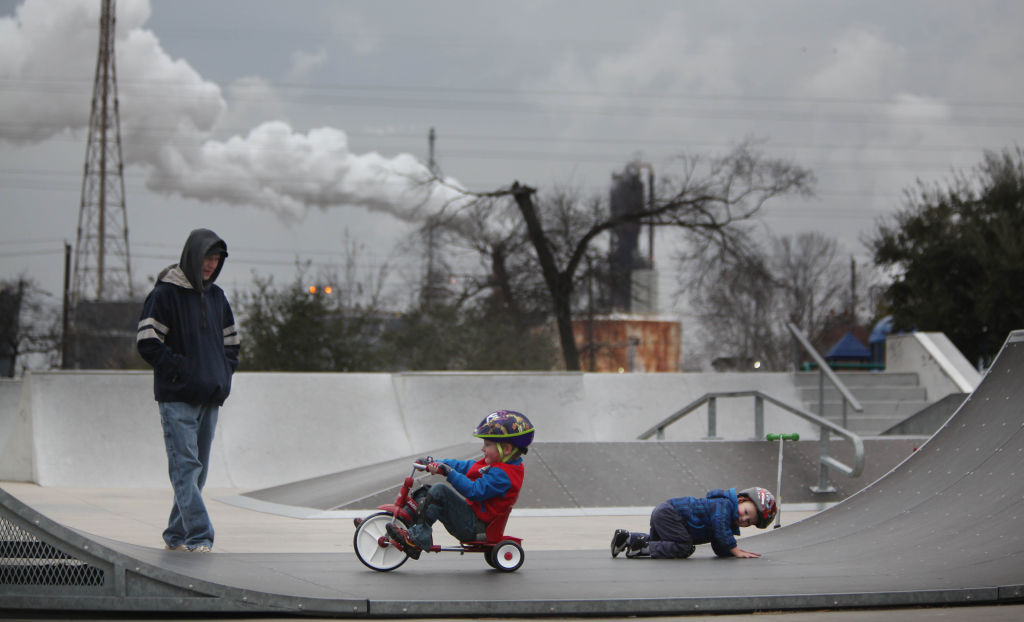
The American Lung Association’s 2026 “State of the Air” report reveals that 33.5 million children in the United States — 46% of all people under 18 — live in counties that received failing grades for at least one measure of air pollution, based on data from 2022 to 2024. This finding underscores a persistent public health challenge, as children’s developing lungs and higher breathing rates create them especially susceptible to the harms of ozone and particle pollution.
The report, released on April 21, 2026, grades air quality across U.S. Counties by measuring ground-level ozone (smog) and short-term and year-round particle pollution (soot) over a three-year period. According to the American Lung Association, 152.3 million Americans — or 44% of the population — reside in areas with unhealthy levels of these pollutants, marking a continuation of trends seen in previous years despite decades of regulatory efforts to improve air quality.
More than 7 million children — 10% of all U.S. Kids — live in counties with failing grades for all three pollution measures, indicating exposure to elevated levels of both ozone and particulate matter. Infants, children, and teens are highlighted as particularly vulnerable due to their physiological development, increased air intake per body weight, and greater time spent outdoors, which amplifies their exposure to airborne contaminants.
While particle pollution showed some improvement relative to its long-term worsening trend, populations exposed to high levels remain significantly above historic lows. Meanwhile, unhealthy ozone levels impacted more people than in the previous five reports, reflecting a complex and uneven landscape of air quality progress across regions and pollutants.
The findings come amid ongoing federal actions to roll back clean air protections. The U.S. Environmental Protection Agency has recently taken steps to weaken air quality standards, a move the American Lung Association warns will increase health risks for vulnerable populations, including children. These policy shifts contrast with the report’s evidence that nearly half of the nation’s youth already face unhealthy air in their communities.
Health experts cited in the report emphasize that air pollution exposure in childhood is not only linked to immediate respiratory issues like asthma attacks but likewise to the development of asthma in previously healthy children and long-term reductions in lung function. Kevin Stewart, director of environmental health at the American Lung Association and a co-author of the report, noted that the consequences extend beyond emergency care to lifelong health impacts.
The data underpinning the report are collected from official monitoring sites operated by federal, state, local, and Tribal governments, ensuring a standardized and quality-assured assessment of air quality trends. The American Lung Association has published this annual analysis for 27 consecutive years, providing a consistent benchmark for tracking progress and setbacks in national air quality.
As the report highlights mixed results — improvements in some areas offset by setbacks in others — it calls for targeted attention at regional, state, and local levels to address pollution sources. The organization stresses that sustained investment in clean air initiatives is essential to protect children’s health and reduce disparities in environmental exposure.
For the latest updates on air quality standards and public health advisories, readers can refer to the U.S. Environmental Protection Agency’s AirNow.gov portal, which provides real-time air quality index (AQI) data and health guidance. The American Lung Association also offers resources on its website detailing how individuals and communities can advocate for stronger air protections.
Stay informed about developments in environmental policy and public health by following trusted sources and engaging with ongoing discussions about the air we breathe.