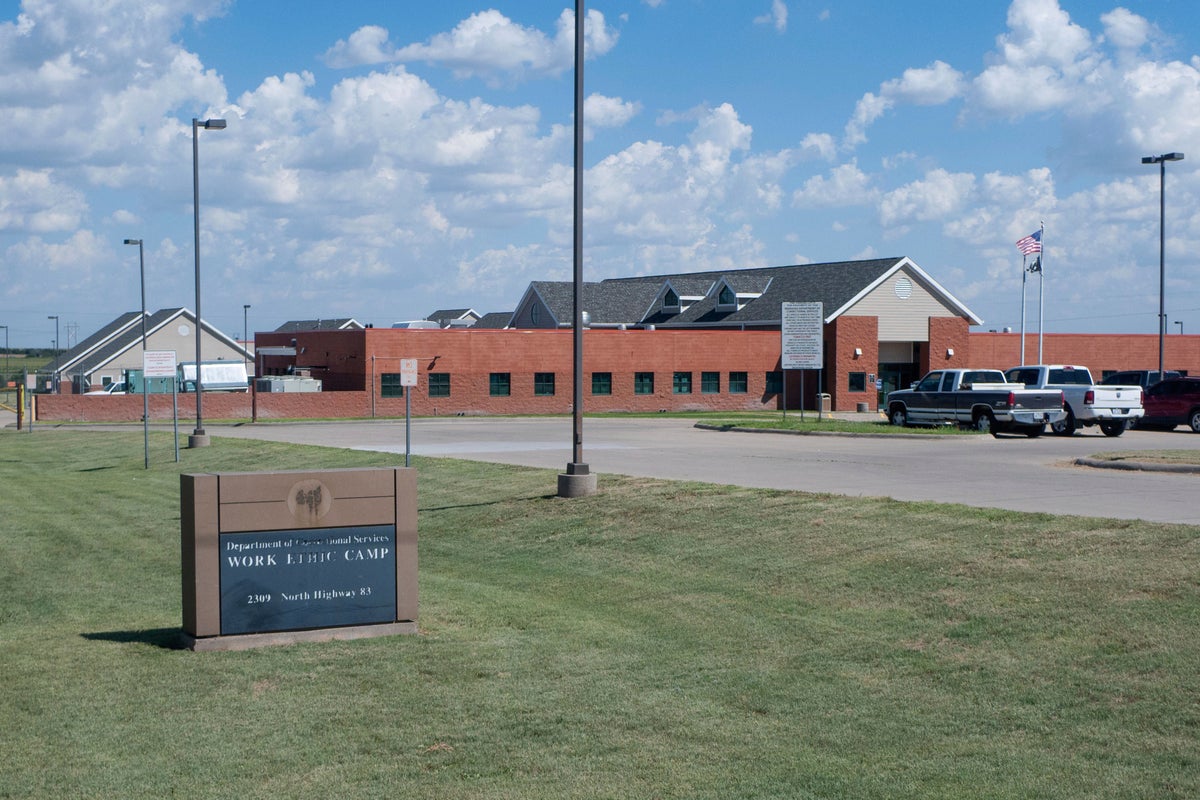
Nebraska Governor’s Plan to House Immigration Detainees at State Work Camp Sparks Controversy and Legal Questions
A controversial plan by Nebraska Governor Jim Pillen to transform the McCook Work Ethic Camp into a regional Immigration and Customs Enforcement (ICE) detention center is facing mounting scrutiny from state lawmakers, local officials, and residents.the move, announced in mid-August, has ignited a debate over the governor’s authority, the facility’s capacity, potential costs, and the impact on a program lauded for its success in prisoner rehabilitation.
A Sudden Shift in Purpose
The McCook Work Ethic Camp,established in 2001,has long served as a unique model for correctional rehabilitation. Housing approximately 155 inmates, the camp focuses on education, treatment, and crucially, work programs that integrate inmates into the local community. These inmates contribute to essential services, including road maintenance, park upkeep, and support for county, city, and even school operations.This integration has fostered a degree of familiarity and acceptance within the community of McCook, a town of around 7,000 residents in southwest Nebraska.
Governor pillen’s decision to repurpose the camp - playfully dubbed “Cornhusker Clink” by state officials, following a trend of alliterative detention center names – came as a complete surprise to local leaders. Mike O’dell, publisher of the McCook Gazette, stated that city officials “were given absolutely no choice in the matter.” The announcement followed a broad call from former President Trump for increased detention capacity for immigration detainees.
Concerns Over Capacity, Cost, and Oversight
While Red Willow County, were McCook is located, overwhelmingly supported Trump in the 2024 election, suggesting potential public support for stricter immigration enforcement, the shift in the camp’s function is raising significant concerns. Lawmakers briefed by state officials last week expressed frustration over a lack of concrete details regarding the financial implications, staffing requirements, and oversight mechanisms for the proposed ICE detention center.
“There was more unanswered questions than answered questions in terms of what they know,” stated State Senator wendy DeBoer.
Specifically, questions remain about the facility’s ability to safely accommodate the planned increase in detainees. originally designed for around 100 inmates, the camp is currently configured to hold 155, but officials are planning to house between 200 and 300 detainees. This raises serious concerns about overcrowding and potential security risks, as highlighted by State Senator terrell McKinney, chairman of the Legislature’s Urban Affairs Committee: “How can you take a facility that was built for 125 people and take that to a capacity of 200 to 300 people without creating, you know, a security risk?”
The state anticipates bearing the initial costs of the conversion, with the expectation of full reimbursement from the federal government. However, the total cost remains undetermined, and lawmakers are questioning the feasibility of this arrangement. Furthermore,the plan relies on retraining the existing staff of 97,with the potential for additional hires.
Legal Challenges and Legislative Pushback
Governor Pillen maintains that he has the legal authority to transfer the use of the state prison to federal authorities under the executive branch’s purview. However, a letter signed by 13 lawmakers challenges this assertion, arguing that legislative approval is required for such a significant change in the use of a state facility.
This dispute prompted Senator McKinney to convene a public hearing on Friday to demand answers from the governor’s office and state corrections officials. However,Governor Pillen and state prison officials declined to attend,further fueling concerns about transparency and accountability. Despite the absence of official representatives, the hearing was well-attended by Nebraska residents, the majority of whom voiced opposition to the proposed ICE detention center.
Impact on a Successful Rehabilitation Program
Beyond the logistical and legal challenges, the repurposing of the McCook Work Ethic Camp threatens a program widely recognized for its success in reducing recidivism. The camp’s emphasis on work programs and community integration has been credited with helping inmates successfully transition back into society. Shifting its focus to ICE detention would dismantle this model and perhaps exacerbate the state’s already overcrowded and understaffed prison system.
Looking Ahead
as of Friday, a formal agreement between the state and federal agencies remained unsigned. The future of the McCook Work Ethic camp, and the broader implications for Nebraska’s correctional system and its relationship with federal immigration policy, remain uncertain. The ongoing debate underscores the complex challenges of balancing immigration enforcement with local community needs and the importance of transparency and legislative oversight in significant policy decisions.
**[ThisarticleprovidesdetailsbasedonpubliclyavailablesourcesasofOctober262023Forthelatestupdatespleasereferto[ThisarticleprovidesdetailsbasedonpubliclyavailablesourcesasofOctober262023Forthelatestupdatespleasereferto[ThisarticleprovidesdetailsbasedonpubliclyavailablesourcesasofOctober262023Forthelatestupdatespleasereferto[ThisarticleprovidesdetailsbasedonpubliclyavailablesourcesasofOctober262023Forthelatestupdatespleasereferto
Worth a look