
The Chilean football community is currently holding its breath as Nelson Acosta, one of the most beloved and charismatic figures in the history of the sport’s management in the region, faces a severe health crisis. The former head coach of the Chilean national team has been admitted to emergency care, sparking a wave of concern across South America and among the countless players whose careers he helped shape with his unique blend of tactical intelligence, and humanism.
For those who followed the “La Roja” during his tenure, Acosta was more than just a strategist; he was a philosopher of the game. His admission to the hospital comes at a time when his legacy is being celebrated, yet the current situation is clouded by reports of deep familial distress. The intersection of a critical medical emergency and a public legal struggle between his heirs has transformed a private health battle into a matter of national interest in Chile.
As a sports journalist who has covered the evolution of the game across Europe and the Americas, I have always viewed Acosta as a bridge between the romantic era of football—where the joy of the play was paramount—and the professionalized, high-pressure environment of the modern era. Seeing a man of his stature in such a precarious position is a reminder of the fragility that accompanies even the most enduring legacies.
The current situation is multifaceted, involving not only a fight for the coach’s survival but also a contentious struggle over his care and legal representation. As we await official medical bulletins, the sporting world remains focused on the recovery of a man who taught generations that football is, a game of happiness.
A Legend in Critical Condition: The Health Struggle of Nelson Acosta
The news of Nelson Acosta’s emergency hospitalization sent shockwaves through the sporting press. While specific medical diagnoses are often kept private to protect the patient’s dignity, the urgency of his admission suggests a significant systemic failure or acute crisis. Reports indicate that the former manager has experienced repeated medical episodes, leading to multiple hospitalizations in a short window of time.
The gravity of the situation was underscored by emotional pleas from his children. One of his daughters has publicly described her father’s condition as “gravely ill,” calling for urgent attention and support during what she described as a family drama. Such public admissions often signal a level of desperation when traditional channels of communication or care have broken down, adding a layer of tragedy to the medical emergency.
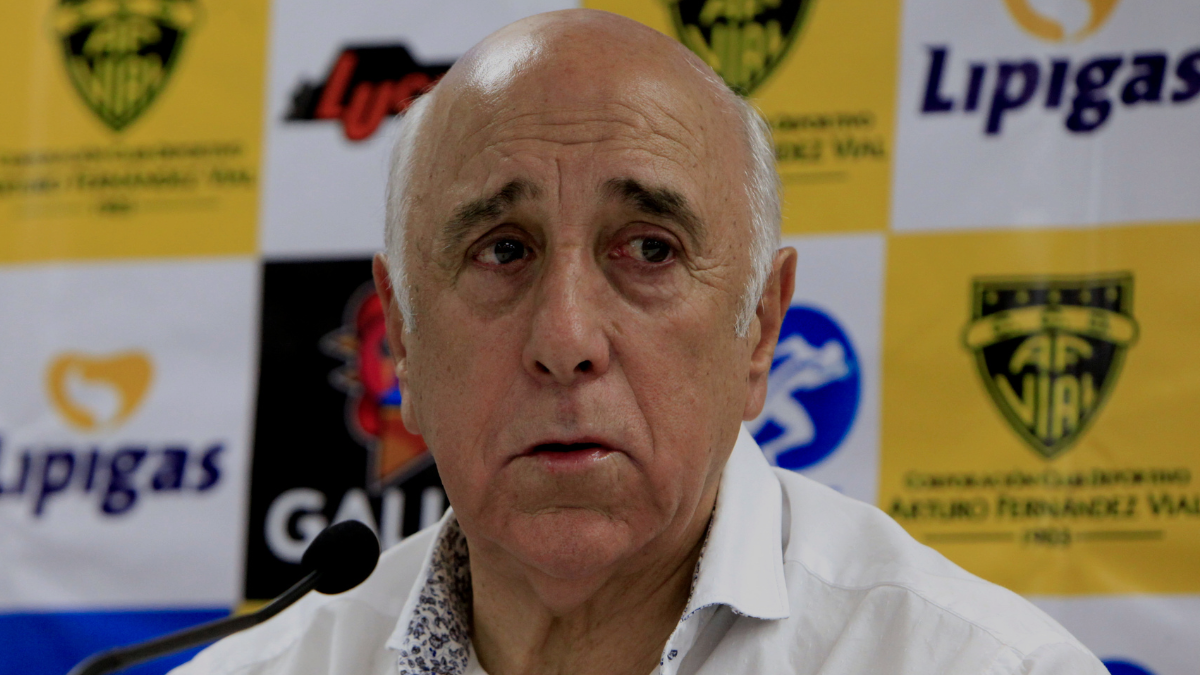
In the context of sports medicine and aging athletes or coaches, the psychological toll of a decline in health can be as taxing as the physical symptoms. Acosta, known for his boundless energy and expressive personality, now finds himself in a position of total dependency. The footballing community in Santiago and beyond has responded with a surge of solidarity, with former players and colleagues sharing memories of his mentorship to keep his spirits—and the public’s hope—alive.
Medical professionals typically manage these high-profile cases with a focus on stabilizing vital functions before addressing chronic underlying issues. For Acosta, the primary goal remains stabilization, though the repeated nature of his crises suggests a complex health profile that requires multidisciplinary care.
Family Turmoil Amidst Medical Emergency
Parallel to the medical crisis is a distressing legal and emotional conflict within the Acosta family. It has emerged that a legal struggle is currently underway among his children, centering on the management of his affairs and the decisions regarding his medical care. This “pugna legal,” as It’s described in regional reports, has created a fractured environment at a time when unity is most critical for the patient’s recovery.
The dispute reportedly involves disagreements over who is authorized to intervene in his care and the legal guardianship of the former coach. In many jurisdictions, when a public figure becomes incapacitated, the struggle for “curatela” (guardianship) can become an adversarial process, especially if there are disagreements regarding financial assets or the quality of medical treatment being provided.
This conflict has led to a heartbreaking dichotomy: while the public prays for Acosta’s health, his immediate family is embroiled in a battle over his autonomy and the administration of his estate. The psychological impact of such conflict on a patient in critical condition cannot be overstated. The “silent days” Acosta has spent in the hospital are not merely a result of medical sedation, but perhaps a reflection of the storm raging around his bedside.
The legal complexities are further compounded by the need for immediate medical decisions. When family members are in conflict, the hospital’s ethics committee or a court-appointed guardian often must step in to ensure that the patient’s best interests are prioritized over familial disputes. This intervention is necessary to prevent the legal battle from delaying life-saving treatments or palliative care.
The “Architect of Joy”: Remembering the Legacy of a Coaching Icon
To understand why the health of Nelson Acosta matters so deeply to the global sporting community, one must look at his profound impact on the game. Acosta did not just coach teams; he curated experiences. He is perhaps best remembered for his time with the Chilean national team and various domestic clubs, where he earned the reputation of being a “romantic” of the sport.
During his tenure as the head coach of the Chilean national team, Acosta sought to instill a sense of pride and joy in the players. He rejected the notion that discipline must be synonymous with fear, opting instead for a leadership style based on empathy and psychological empowerment. This approach was revolutionary in a region where the “iron fist” method of coaching was the standard.
His tactical contributions were significant, but his emotional intelligence was his true trademark. He had an uncanny ability to identify the latent potential in marginalized players, giving them the confidence to perform on the biggest stages. His philosophy was simple: a happy player is a productive player. This ethos led to some of the most aesthetically pleasing football Chile had seen in years, earning him the affection of a public that valued the beauty of the game as much as the result.
Beyond the national team, Acosta’s journey through various clubs showcased his versatility. He could adapt his style to the needs of the squad, but he never compromised his core belief in the dignity of the athlete. He viewed the football pitch as a classroom for life, teaching lessons on resilience, humility, and the importance of collective effort over individual glory.
In the annals of South American football, Acosta stands as a reminder that the role of a manager is as much about psychology as it is about tactics. His legacy is not found in a trophy cabinet alone, but in the thousands of players who remember him as the man who believed in them when no one else did.
The Football World Stands with Acosta
The reaction to Acosta’s hospitalization has been a testament to the bridge he built between the sport and the people. From former teammates to current stars of the Chilean league, the outpouring of support has been immense. Social media has become a digital prayer wall, with hashtags and tributes flooding the internet, reflecting a collective desire to see the “Architect of Joy” return to health.
This wave of support serves as a critical counterweight to the family turmoil. For Acosta, knowing that he is loved by millions may provide a psychological stimulus that medicine alone cannot offer. The sporting community’s intervention is not medical, but emotional, creating a protective bubble of positivity around a man who spent his life giving that same positivity to others.
The case of Nelson Acosta also highlights a broader issue within professional sports: the care of aging icons. Often, the intensity of a coaching career—marked by travel, stress, and extreme emotional swings—leaves a lasting toll on the body and mind. The transition from the roar of the stadium to the silence of a hospital room is a jarring one, and the lack of a structured support system for retired legends often leaves them vulnerable to the very family disputes currently affecting Acosta.
As the football world waits for an update, there is a growing call for the family to set aside their differences for the sake of the man who brought so much happiness to the nation. The consensus among fans and former players is clear: the legacy of Nelson Acosta is too great to be tarnished by legal disputes in the twilight of his life.
Key Takeaways Regarding the Nelson Acosta Situation
- Medical Status: Nelson Acosta has been admitted to emergency care following a series of health crises; his condition has been described by family members as grave.
- Family Conflict: A legal dispute is ongoing between his children regarding his care and legal guardianship, adding complexity to his medical recovery.
- Professional Legacy: Former head coach of the Chilean national team, known for his “romantic” and humanistic approach to football management.
- Community Impact: Widespread support from the South American football community, emphasizing his role as a mentor and psychological leader in the sport.
The next confirmed checkpoint in this developing story will be the release of an official medical bulletin from the treating facility, which is expected to clarify his current stability and the projected path for recovery. Any court rulings regarding the legal guardianship of the former coach will determine who is authorized to make critical health decisions on his behalf.
We invite our readers to share their memories of Nelson Acosta’s impact on the game in the comments below. Let us join the global football community in wishing this legendary figure a peaceful and full recovery.