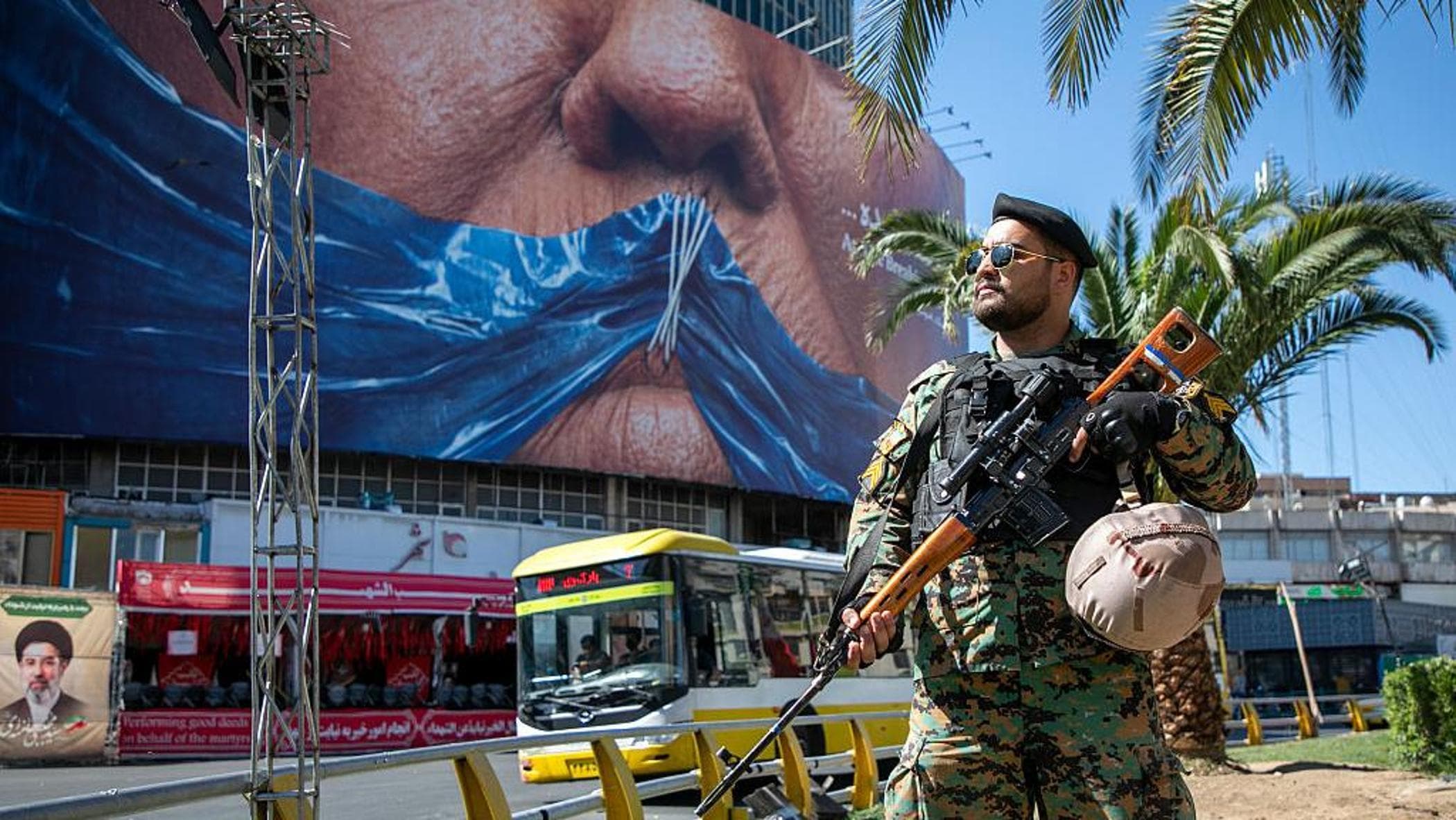
Diplomatic efforts to avert a wider regional conflict have intensified as the United States launches a targeted diplomatic offensive in the Gulf. In a move signaling a shift toward high-level mediation, U.S. Secretary of State Marco Rubio and Special Envoy Steve Witkoff have met with the Prime Minister of Qatar to advance a comprehensive framework aimed at ending the current hostilities between Washington and Tehran.
These US-Iran peace negotiations represent a critical attempt by the Trump administration to secure a durable agreement that addresses nuclear proliferation, regional proxy conflicts, and the lifting of economic sanctions. Qatar, which has long served as a primary diplomatic bridge between the West and Iran, is once again positioning itself as the essential intermediary in these discussions.
The urgency of the meetings comes amid a period of heightened tension, with the White House signaling that a breakthrough is possible if Tehran agrees to a structured set of demands. President Donald Trump has expressed confidence in the process, suggesting that a response from the Iranian leadership is imminent. This diplomatic push is designed to replace the cycle of escalation with a formal, codified peace process.
The 14-Point Peace Plan: A New Framework for Stability
At the center of the current negotiations is a proposed 14-point peace plan. While the full details of the document remain classified, diplomatic sources indicate that the proposal is designed to be an all-encompassing “grand bargain.” Unlike previous narrower agreements that focused primarily on nuclear capabilities, this framework seeks to address the root causes of instability in the Middle East.
The plan reportedly emphasizes a tiered approach to sanctions relief, where economic concessions are tied to verifiable benchmarks in Iranian behavior. Key priorities for the U.S. Delegation include the cessation of support for regional militias, a commitment to dismantle centrifuge arrays, and guarantees regarding the security of international shipping lanes in the Strait of Hormuz.
By engaging the Prime Minister of Qatar, the U.S. Is utilizing Doha’s unique ability to communicate directly with the Supreme Leader’s office. This channel is vital for ensuring that the 14-point plan is not viewed as an ultimatum, but as a viable path toward Iranian reintegration into the global economy. The involvement of Steve Witkoff suggests a focus on the economic incentives and “deal-making” aspects of the agreement, complementing Secretary Rubio’s strategic and security-focused approach.
Tehran’s Silence and Internal Uncertainty
Despite the active diplomatic outreach from Washington and Doha, Tehran has yet to provide a formal response to the proposed terms. This silence has led to intense speculation regarding the internal dynamics of the Iranian leadership. President Trump has addressed the delay, stating that a response from Tehran “will arrive soon,” reflecting a strategy of strategic patience combined with maintained pressure.

Adding a layer of complexity to the negotiations are unconfirmed reports regarding the health of Supreme Leader Ali Khamenei. Some reports have suggested that the Supreme Leader may have suffered a back injury, potentially impacting the speed of decision-making within the clerical establishment. However, these claims have not been officially confirmed by the Iranian government or verified by high-authority international news agencies.
In the absence of official confirmation, analysts suggest that any perceived fragility in the leadership could either accelerate a deal—as a way to secure a legacy of stability—or delay it, as internal factions struggle for influence over the final response to the U.S. Proposal.
The Role of Qatar as the Strategic Intermediary
Qatar’s role in these negotiations cannot be overstated. As a major gas exporter with deep ties to both the U.S. Military—hosting the Al Udeid Air Base—and the Iranian government, Doha is uniquely positioned to facilitate these talks. The meeting between the Qatari Prime Minister and the U.S. Envoys underscores the trust placed in the Gulf state to convey sensitive demands without triggering a public collapse of the talks.
The Qatari government has historically prioritized “quiet diplomacy,” avoiding the public posturing that often characterizes US-Iran relations. By acting as the primary conduit for the 14-point plan, Qatar is attempting to prevent a miscalculation that could lead to direct military confrontation, which would be catastrophic for regional energy markets and global economic stability.
This mediation effort also allows the U.S. To maintain a degree of plausible deniability while testing the waters for a deal. If the negotiations fail, the failure can be attributed to Tehran’s intransigence. if they succeed, it marks a significant victory for the Trump administration’s “peace through strength” foreign policy.
Geopolitical Stakes and What Happens Next
The outcome of these US-Iran peace negotiations will have immediate ramifications for several global flashpoints. A successful agreement would likely lead to a devaluation of the “axis of resistance” and a reduction in proxy warfare across Lebanon, Yemen, and Iraq. Conversely, a failure to reach an agreement could lead to a renewed phase of “maximum pressure,” potentially including expanded sanctions or targeted military actions.
For the global community, the primary concern remains the Iranian nuclear program. Any deal brokered via Qatar must provide the International Atomic Energy Agency (IAEA) with expanded access to ensure that Iran is not pursuing weapons-grade uranium under the cover of a peace treaty. The 14-point plan is expected to include strict verification protocols to prevent the “cheat-and-retreat” scenarios that plagued previous diplomatic efforts.
As the world watches Doha, the focus now shifts to the official response from Tehran. The window for diplomacy is open, but the volatility of the region means that any delay increases the risk of an accidental escalation.
The next confirmed checkpoint in this process will be the official response from the Iranian Foreign Ministry, which is expected to be delivered via Qatari channels in the coming days. We will continue to monitor the diplomatic cables for any shift in Tehran’s posture.
Do you believe a 14-point plan can truly resolve the decades-long tension between the U.S. And Iran, or is this another temporary pause in an inevitable conflict? Share your thoughts in the comments below and share this report to keep the conversation going.