
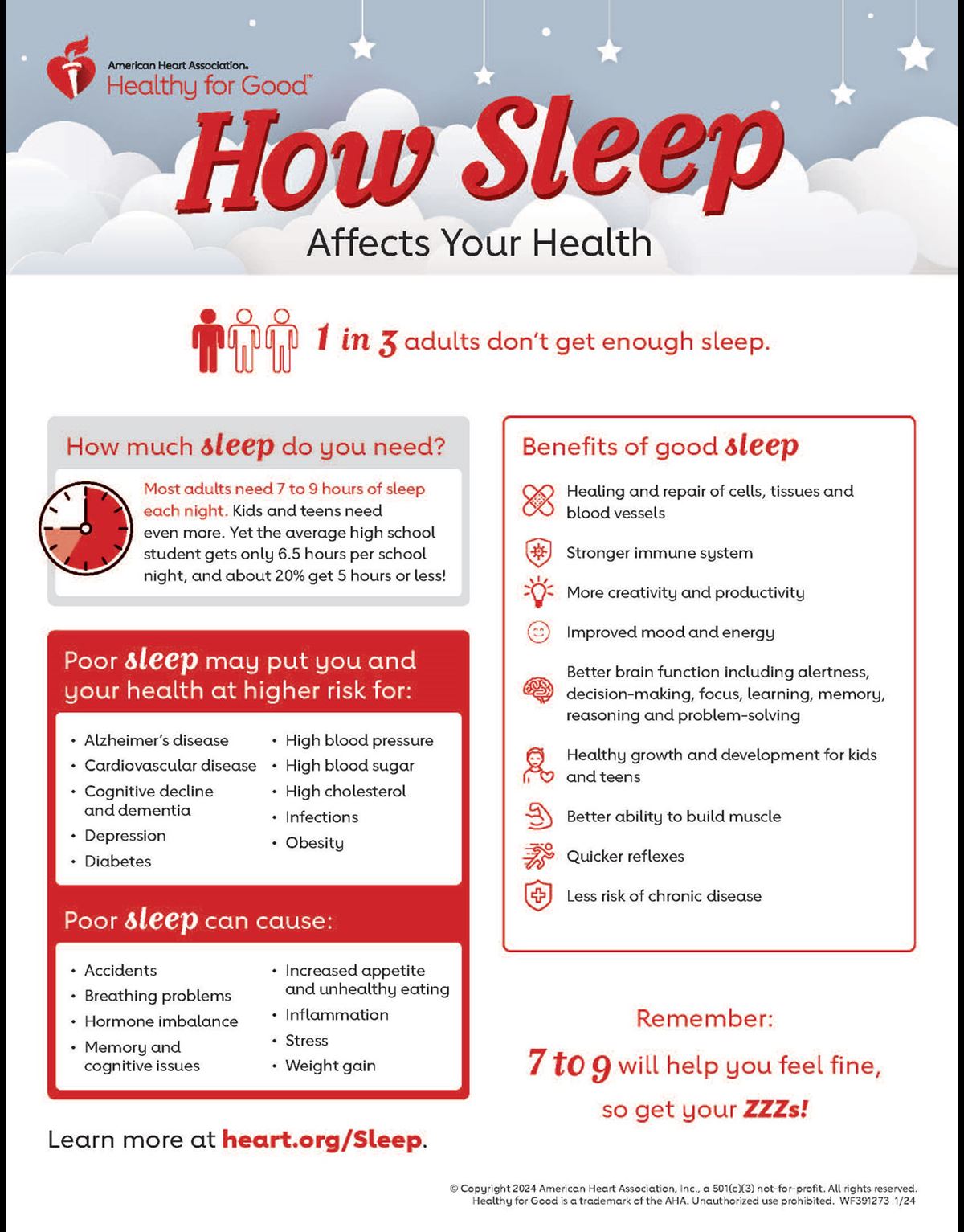
Current research indicates that the ideal sleep duration for cardiovascular health and cognitive function likely falls between seven and eight hours per night, challenging the common assumption that eight hours is a universal requirement for everyone. According to the Centers for Disease Control and Prevention (CDC), adults typically require seven or more hours of quality sleep per night for optimal health, though individual needs vary based on age, lifestyle, and underlying health conditions. Recent clinical investigations suggest that consistently deviating from this range—either by sleeping too little or significantly oversleeping—may be associated with an increased risk of developing cardiovascular disease, including heart failure and stroke.
The Science of Sleep Duration and Heart Health
The relationship between sleep duration and mortality risk is a subject of ongoing clinical study. Data published by the American Heart Association highlights that sleep is a critical component of cardiovascular health, often categorized alongside diet and physical activity in maintaining heart function. When sleep patterns are disrupted, the body may experience heightened sympathetic nervous system activity and systemic inflammation, both of which are documented risk factors for hypertension and atherosclerosis.

Research published in the journal Circulation notes that individuals who report habitual sleep durations outside the seven-to-eight-hour window—particularly those sleeping fewer than six hours—exhibit a higher incidence of coronary artery disease. It is important to distinguish between acute sleep deprivation and chronic sleep deficiency. While a single night of poor sleep is common, chronic deficiency, as defined by the National Heart, Lung, and Blood Institute (NHLBI), occurs when an individual consistently fails to get enough sleep to support normal physiological functions over an extended period.
Beyond Duration: Quality and Timing
While the number of hours spent in bed is frequently discussed, medical professionals emphasize that sleep architecture—the quality and timing of sleep—is equally significant. Irregular sleep schedules, often characterized by frequent awakenings or inconsistent bedtimes, can negatively affect the body’s circadian rhythm. A study published in the European Heart Journal indicates that individuals with irregular sleep patterns may face a higher risk of cardiovascular events compared to those with consistent, consolidated sleep schedules, even if their total sleep time is similar.
The role of daytime napping also requires nuanced interpretation. While short, restorative naps can improve alertness, data from the Sleep Foundation suggests that frequent or prolonged daytime napping may sometimes serve as a compensatory mechanism for poor nighttime sleep quality. In some clinical contexts, excessive daytime sleepiness is considered a potential marker for underlying health issues, such as sleep apnea or early-stage cardiovascular impairment, rather than the cause of the health decline itself.
Identifying Risk Factors and Warning Signs
Healthcare providers often screen for sleep disorders as part of a comprehensive cardiovascular assessment. Symptoms such as loud snoring, gasping for air during sleep, or waking up feeling unrefreshed are key indicators that an individual should consult a physician. According to the Mayo Clinic, obstructive sleep apnea is a well-documented condition that disrupts sleep quality and increases the risk of stroke, heart failure, and irregular heartbeats (arrhythmias).
Patients are encouraged to track their sleep habits and discuss them during routine check-ups. The integration of sleep health into primary care is supported by medical bodies as a preventative measure. Establishing a consistent sleep-wake cycle, optimizing the bedroom environment, and limiting exposure to blue light before bed are evidence-based strategies recommended by the Sleep Foundation to improve sleep hygiene and mitigate the risks associated with poor sleep duration.
Clinical Perspectives on Personalized Sleep Needs
There is no “one-size-fits-all” number for sleep, despite the prevalence of the eight-hour recommendation in public discourse. As noted by the Sleep Health Foundation, while the majority of healthy adults function best with seven to nine hours, some individuals may naturally require slightly more or less depending on their genetic predispositions and daily energy expenditure. The primary medical concern is not the specific number of hours, but the consistency and restorative quality of the rest achieved.

Patients who find themselves chronically tired despite sleeping within the recommended range should seek medical guidance to rule out conditions such as restless legs syndrome, narcolepsy, or metabolic disorders. Early intervention for sleep-related issues remains one of the most effective ways to protect long-term brain and heart health. If you are concerned about your sleep patterns, consult your primary care physician to discuss whether a sleep study or further diagnostic evaluation is appropriate for your specific health history.
For ongoing updates on sleep medicine and public health guidelines, readers can consult the official portals of the World Health Organization (WHO) or national health departments. Join the conversation by sharing your experiences with sleep health in the comments below or by circulating this information to help raise awareness about the importance of consistent, high-quality rest.