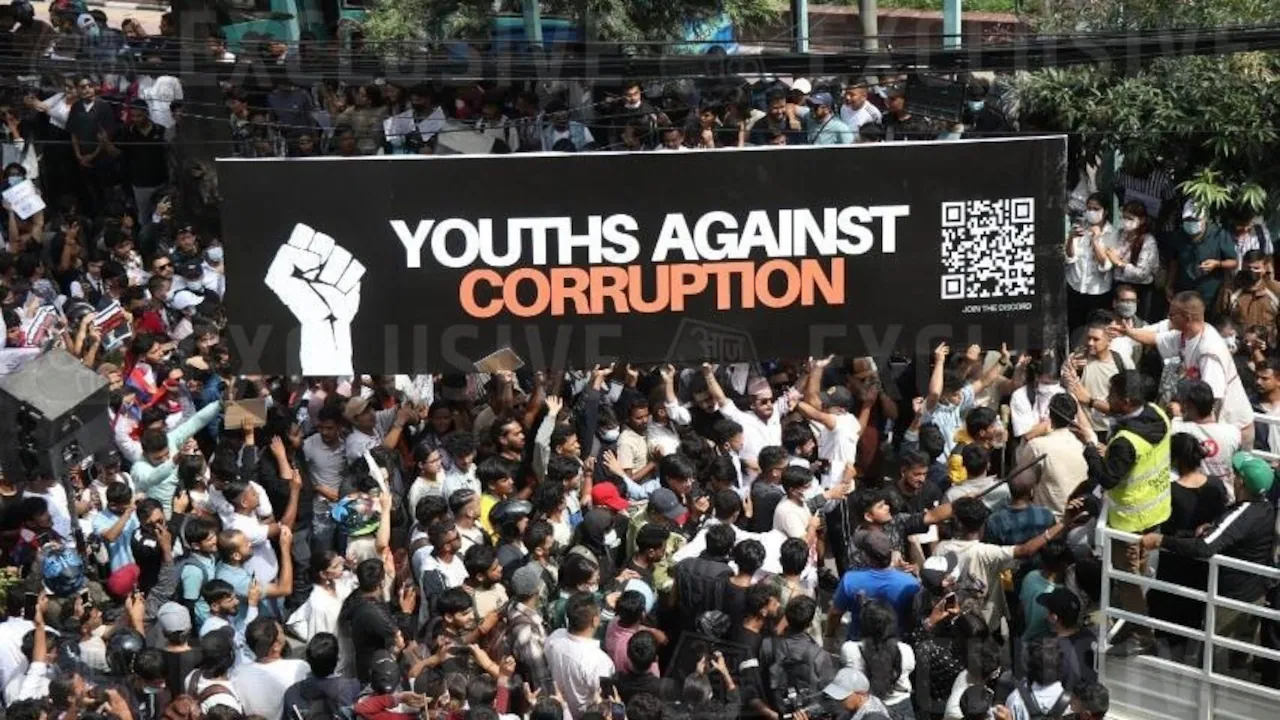
Nepal’s Political Crisis: Social Media ban, Protests, and Prime Minister Oli’s Resignation
nepal is currently navigating a period of intense political and social upheaval, culminating in the resignation of Prime Minister K.P.Sharma Oli on September 9, 2025. This dramatic turn of events follows widespread public protests sparked by a controversial ban on social media platforms and fueled by deeper concerns regarding government corruption and democratic principles. This article provides a comprehensive overview of the crisis, its origins, the escalating protests, and the current situation in Nepal.
The Spark: A Sweeping Social Media Ban
The immediate catalyst for the unrest was the Nepali government’s decision to ban approximately 26 social media platforms, including Facebook, X (formerly Twitter), and YouTube, effective September 4, 2025. The ban stemmed from these platforms’ failure to comply with a new government regulation requiring registration. Authorities justified the measure as a necesary step to combat misinformation, fake accounts, and hate speech circulating online.
However,the move was widely perceived as a direct assault on freedom of expression and access to data. Notably, TikTok and Viber remained accessible, having met the registration requirements, highlighting the selective nature of the enforcement. This disparity further inflamed public sentiment.From Online Discontent to Street Protests
The social media ban quickly ignited a wave of protests, spearheaded by Nepal’s Gen Z population. Demonstrations began in Kathmandu and rapidly spread across the country. Though, the protests quickly evolved beyond a simple objection to the ban, becoming a broader expression of frustration with systemic issues plaguing Nepal.
Protesters voiced strong concerns about escalating corruption within the government, perceived erosion of democratic institutions, and a lack of accountability.Slogans like “Shut down corruption, not social media” encapsulated the core grievances driving the movement.
“Nepal is being corrupted day by day. In every sector, especially in health & education, corruption is increasing. Students are being killed by police… We would like to request that the government of Nepal stand down,” stated Satish Mandal, a 26-year-old protester, reflecting the depth of public anger.
Escalation of Violence and Political Fallout
The protests were not without violence.Reports emerged of attacks on the residences of high-profile politicians, including Prime Minister Oli and former Prime Minister Sher Bahadur Deuba, as well as vandalism targeting party headquarters. Security forces responded with increasingly forceful measures,deploying rubber bullets,water cannons,and tear gas to disperse demonstrators.
Tragically, the escalating tensions resulted in casualties. As of september 9th, reports indicated at least 19 deaths and dozens of injuries sustained during the protests.mohan Regmi, the executive director of Civil Service Hospital, confirmed that at least two people died during protests on Tuesday, with 90 others receiving treatment.
Amidst the mounting pressure and widespread unrest, Prime Minister Oli announced his resignation on september 9th, framing it as a constitutional solution to the crisis. His departure was swiftly followed by the resignations of several other key ministers, including Agricultural and Livestock Minister Ram Nath Adhikari, Home Minister Ramesh lekhak, and the Minister of Water Supply, signaling a significant collapse in governmental stability.
Current Situation and Ongoing Concerns
The Prime Minister’s resignation has been met with a sense of victory among protesters, but the situation remains volatile. Domestic flights at Kathmandu’s International Airport have been significantly disrupted due to security concerns, highlighting the ongoing instability.
The underlying issues of corruption and democratic accountability remain unresolved, and the future political landscape of Nepal is uncertain. The coming days and weeks will be critical in determining whether the resignation of Oli and his cabinet will pave the way for meaningful reforms and a return to stability, or if Nepal will descend further into political turmoil.
Frequently Asked Questions: Nepal’s Political Crisis
1. What prompted the recent protests in Nepal, and how did they relate to the social media ban?
The protests were initially triggered by the Nepali government’s ban on approximately 26 social media platforms for failing to register. However, the ban quickly became a focal point for broader discontent regarding government corruption, perceived democratic backsliding, and a lack of accountability. Protesters saw the ban as a symptom of a larger problem – a government attempting to suppress dissent and control information.
2. How significant is the issue of corruption in Nepal,and how did it fuel the protests against Prime Minister Oli?
Corruption is a deeply entrenched and pervasive issue in Nepal,impacting sectors like health and education. Protesters specifically cited increasing corruption as a key grievance, believing it undermined the country’s growth and eroded
Worth a look
- How Korean Streaming Giants Wavve and Tving are Fighting Subscription Fatigue with FAST Channels
- USS Fort Worth Retires After 14 Years and Imperial County Pet Adoption News
- Nigel Farage resigns as Clacton MP amid secret deal and £5m gift reports (time.news)
- Why Nepal Keeps the World's Only 45-Minute Time Zone (daybreakwire.com)