Did you No? Nepal’s political landscape has been remarkably fluid since the abolition of the monarchy in 2008, experiencing frequent shifts in government and ongoing socio-political tensions.
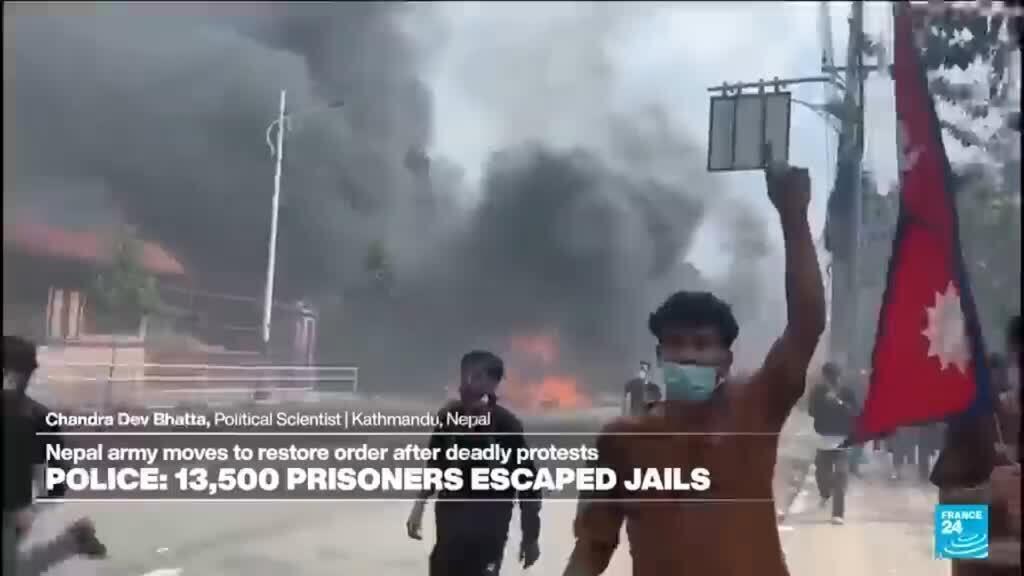
Nepal experienced a dramatic upheaval on Wednesday, September 10, 2025, as the nation’s military reassumed authority in Kathmandu following a period of intense unrest. This intervention occurred in the wake of escalating demonstrations that led to the removal of the prime minister and the devastating destruction of the parliamentary building – the most important outbreak of violence the country has witnessed in twenty years. A strict curfew was instantly implemented across the capital, and discussions where initiated with representatives from the various protest factions.
The current situation presents a complex challenge for Nepal, as the motivations and goals of the demonstrators are far from unified. Political analyst Chandra Dev Bhatta, speaking from Kathmandu, emphasized the precariousness of the future, noting that the protest movement has become fragmented and infiltrated by diverse groups pursuing their own agendas. This echoes concerns raised by international observers regarding the potential for instability and the difficulty of achieving a lasting resolution.
Nepal’s Political Crisis: A Deep Dive into the Recent Turmoil
The recent events are not isolated incidents but rather the culmination of long-standing political and economic grievances. Nepal has struggled with political instability since the end of its decade-long civil war in 2006 and the subsequent abolition of the monarchy in 2008. the transition to a federal democratic republic has been fraught with challenges, including the drafting of a new constitution, power-sharing disputes, and persistent corruption.
Recent economic difficulties, exacerbated by global events like the COVID-19 pandemic and geopolitical shifts, have further fueled public discontent.according to a World Bank report released in July 2025, Nepal’s economic growth slowed to 2.2% in fiscal year 2024, down from 3.9% the previous year, with rising inflation and unemployment rates contributing to widespread frustration. World Bank Nepal Overview. This economic strain has intensified existing social and political tensions, creating a fertile ground for protests.
Understanding the Protests and Key players
The protests that culminated in the prime minister’s ouster were initially sparked by concerns over a proposed constitutional amendment perceived by some as undermining federalism and consolidating power at the center. However, the movement quickly broadened to encompass a wider range of demands, including calls for greater economic justice, an end to corruption, and electoral reforms.
Several key groups have been involved in the protests, each with its own distinct agenda. These include:
Federalist factions: Advocating for greater autonomy for the provinces established under the 2015 constitution.
Ethnic minority groups: Demanding greater representation and rights for marginalized communities.
Student and youth activists: Calling for systemic reforms and an end to corruption.
Opposition political parties: Seeking to capitalize on the unrest to challenge the ruling government.
The lack of a unified leadership and the diverse range of demands have made it arduous to negotiate a clear path forward. As Bhatta pointed out, the movement has been “hijacked by various interest groups,” complicating efforts to find common ground. This fragmentation presents a significant obstacle to achieving a peaceful and sustainable resolution.
Pro Tip: When analyzing political crises, it’s crucial to identify the underlying economic factors and the diverse interests of the key players involved.This provides a more nuanced understanding of the situation and potential pathways to resolution.
The Army’s intervention and the Current Situation
The decision by the Nepal Army to take control of Kathmandu was justified by the government as a necessary measure to restore order and prevent further violence. However, the move has raised concerns among human rights organizations and international observers about the potential for abuses of power and restrictions on civil liberties. Amnesty International released a statement on September 11, 2025, urging the Nepalese authorities to ensure that the army’s actions are consistent with international human rights standards and that any use of force is proportionate and lawful. Amnesty International.
the army has stated that it is committed to facilitating dialog between the government and protest leaders. However, the success of these talks will depend on the willingness of all parties to compromise and address the underlying grievances that fueled the unrest. The current curfew and restrictions on public gatherings are likely to further complicate the situation, possibly exacerbating tensions and hindering efforts to find a peaceful resolution.