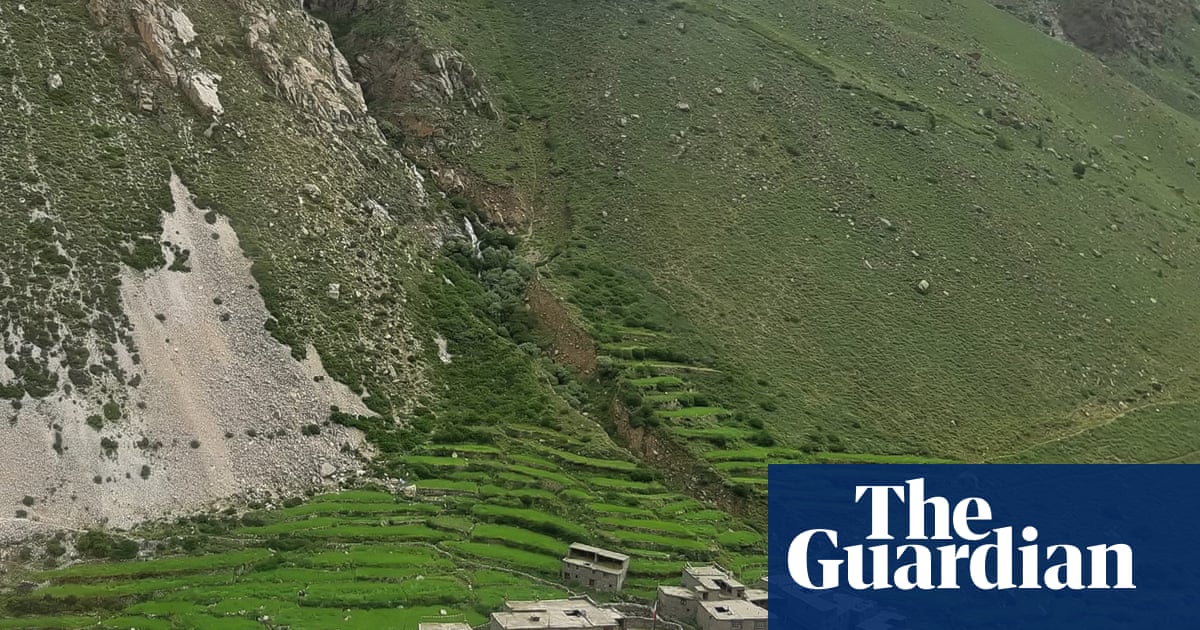
The Last Stand of Limi: A Himalayan Community Faces a Climate-Driven Exodus
The remote Himalayan valley of Limi, Nepal, is facing an agonizing choice.its residents, custodians of a 1,000-year-old cultural heritage, are contemplating leaving their ancestral homes due to escalating climate risks and a lack of governmental support.This isn’t simply a relocation; it’s a potential severing of ties to a unique way of life.
For generations, the people of Til and Halji villages have thrived in this high-altitude landscape. Though, increasingly frequent extreme weather events – fueled by a rapidly changing climate – are threatening their very existence. Glacial lake outbursts, unpredictable rainfall, and devastating landslides are becoming the norm, not the exception.
A Valley Under Pressure
You might wonder what’s driving this tough decision. The situation is multifaceted, but the core issue is resilience. The infrastructure in Limi is crumbling, and the community feels increasingly vulnerable.
Here’s a breakdown of the challenges:
* disaster Risk: The valley is highly susceptible to natural disasters, exacerbated by glacial melt and unpredictable weather patterns.
* Infrastructure Decay: Critical infrastructure, like irrigation systems and pathways, is in desperate need of repair and modernization.
* Limited Support: Despite repeated appeals, the community reports receiving no substantive response from the Nepalese government.
* Economic Strain: The challenges make sustaining a livelihood in Limi increasingly difficult, pushing residents to seek opportunities elsewhere.
The Dilemma of Preservation
Mingmar, a community leader, eloquently captures the heart of the matter. While he understands the desire to preserve their culture, he acknowledges the impossibility of forcing people to remain in a place where their safety and well-being are at risk. He and others are actively seeking aid, both domestically and internationally, to improve conditions for those who wish to stay.
Halji, with a population of 400, stands as the last bastion of Limi’s heritage. Remarkably, only two out of 87 families have permanently left Halji, a testament to the community’s deep connection to their home. But even this resilience is being tested.
Seeking a Future,While Honoring the Past
The community has formally requested assistance from the government,outlining specific needs. These include:
- Reconstruction of vital infrastructure.
- Allocation of land and funding for resettlement options,specifically in Kathmandu.
- A complete assessment of the valley’s vulnerabilities.
- Mitigation of risks posed by problematic glacial lakes.
Though, their pleas have gone unanswered.Now, they await the return of community members working in purang, across the border, for their annual meeting in November. This gathering will be pivotal in determining the community’s next steps.
A Culture’s Resolve
Thundup, another community member, expresses a poignant sentiment. While leaving their village and monastery is deeply painful,they are steadfast to preserve their culture. They plan to relocate sacred statues,relics,and artifacts,ensuring their traditions continue in a new location.
“If we are alive, we can keep our culture alive,” Thundup states, encapsulating the community’s unwavering spirit.
The story of Limi is a stark warning. It highlights the human cost of climate change and the urgent need for proactive measures to support vulnerable communities. It’s a reminder that preserving cultural heritage isn’t just about protecting monuments; it’s about safeguarding the lives and livelihoods of the people who carry those traditions forward.
Additional reporting by Kunchok Phurbu in Til.
Worth a look