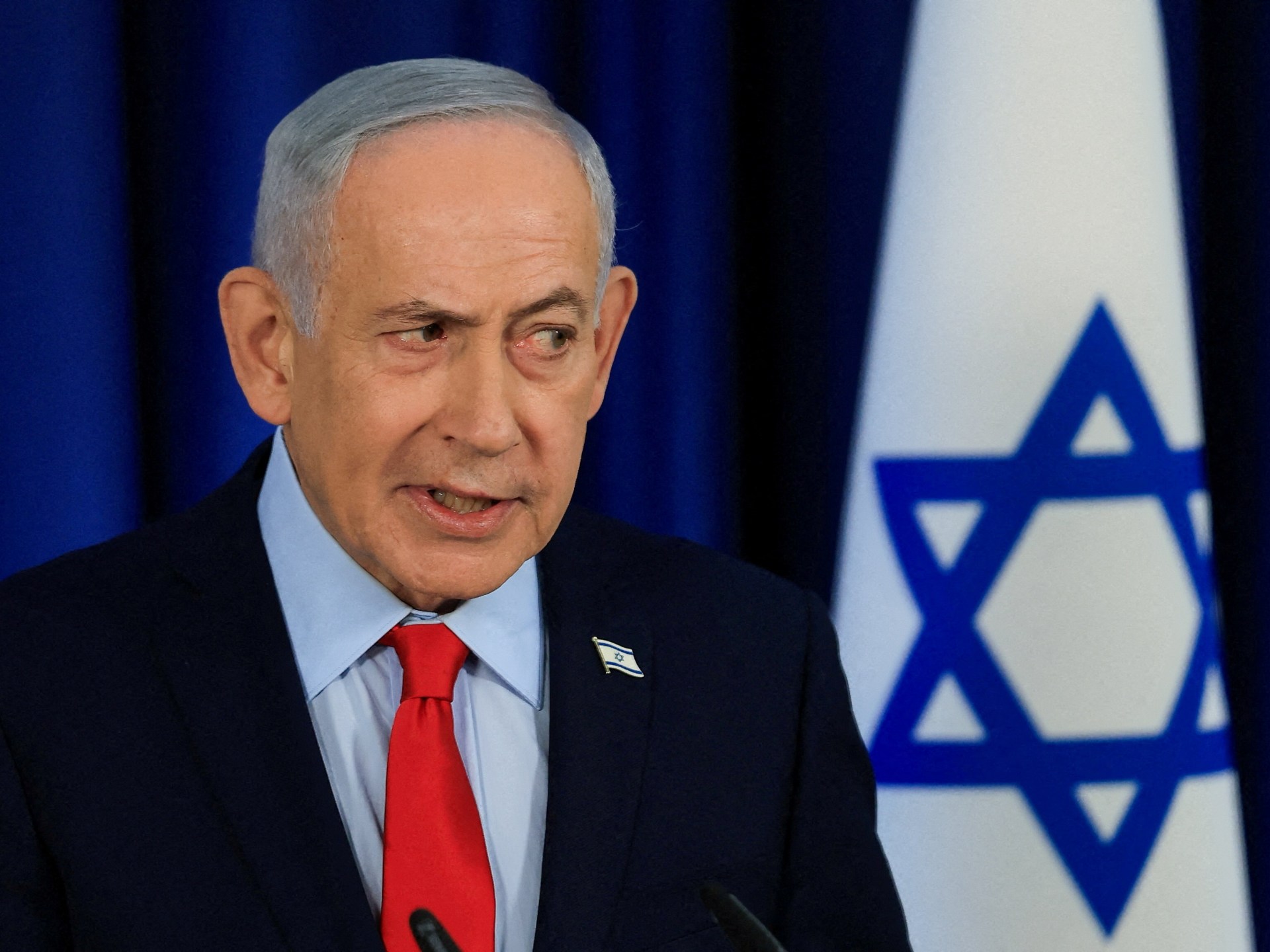
Israeli Prime Minister Benjamin Netanyahu has directed the country’s military to expand its territorial control within the Gaza Strip to 70 percent, a shift that significantly exceeds the boundaries established under the ceasefire agreement brokered in October 2025. This directive, announced during a conference in the occupied West Bank, marks a departure from the previous operational status quo and has drawn immediate concerns regarding the stability of the ongoing truce.
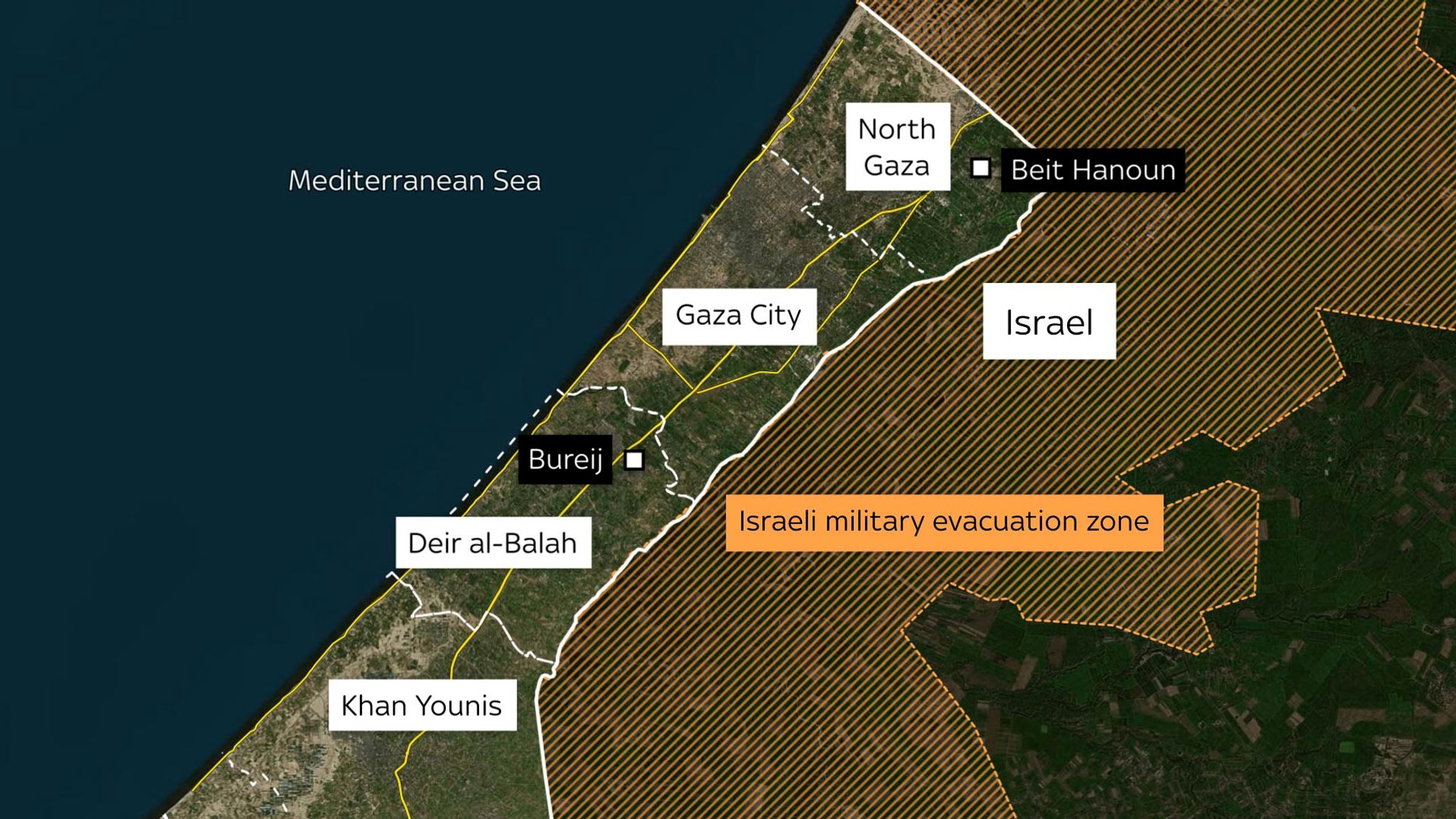
The expansion is set to move the military beyond the current demarcation line, which had previously left Israeli forces in control of approximately 60 percent of the territory. Under the terms of the October 2025 ceasefire agreement, the Israeli military had initially withdrawn to a demarcation line that restricted its direct control to roughly 53 percent of the Gaza Strip, according to reporting on the conflict’s evolving territorial dynamics.
Shifting Territorial Control in Gaza
The latest directive from the Israeli Prime Minister aims to increase the military’s footprint by an additional 10 percentage points from its current position. In remarks made during the conference, Netanyahu described the move as a step-by-step strategy to “tighten” control over Hamas. During the same event, he noted that the military had already progressed from 50 percent to 60 percent control, and his new directive targets a 70 percent threshold.
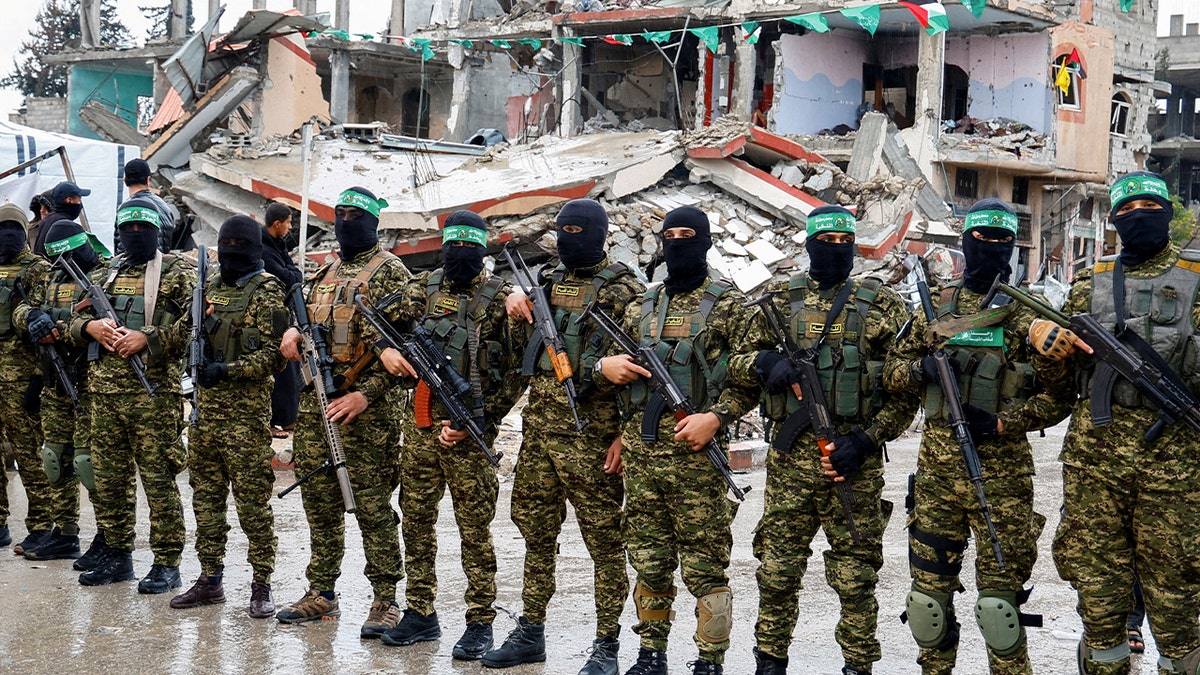
This development follows earlier reports from late April 2026, when the Israel Defense Forces (IDF) reportedly issued maps to international aid organizations indicating that the military was then controlling approximately 64 percent of the territory. The ongoing shifts in these demarcations have direct consequences for the civilian population, as further territorial seizures would compress the remaining space available to approximately 2 million Palestinians residing within the coastal enclave.
Netanyahu says he directed Israeli military to take over 70% of Gaza 0:24 • Source: CNN
Impact on the Ceasefire Framework
The announcement has reignited debates over the viability of the ceasefire, which has been in effect for eight months. Hamas has characterized the movement of the demarcation line as a clear violation of the provisions agreed upon in October 2025. The group has publicly stated that these actions represent an attempt to impose new facts on the ground by force, which they argue undermines the potential for long-term stabilization or successful de-escalation efforts.
Throughout the duration of the truce, the situation on the ground has remained volatile. Reports indicate that since the agreement began, more than 900 Palestinians have been killed due to airstrikes and gunfire occurring within the vicinity of the “yellow line”—the designated boundary splitting the strip—and in operations reaching deeper into western Gaza. The military continues to maintain a “no man’s land” west of the demarcation line, where forces assert the authority to regulate entry and engage perceived threats.
Future Developments and Official Updates
As the political situation in Israel remains in flux with elections expected in the coming months, the government’s military strategy in Gaza continues to be a central point of contention. The Prime Minister’s directive to reach 70 percent control is the latest in a series of expansions that have steadily moved the military positions westward.
Observers and international aid groups are monitoring the situation for further directives from the Israeli security cabinet or the IDF regarding the implementation of this expansion. There are no currently scheduled public briefings detailing the specific timeline for this transition, though updates regarding the security situation are periodically provided through official government channels and military press offices. Readers are encouraged to monitor statements from the Prime Minister’s office and the Israel Defense Forces for the most current information regarding operational changes.
Keep reading