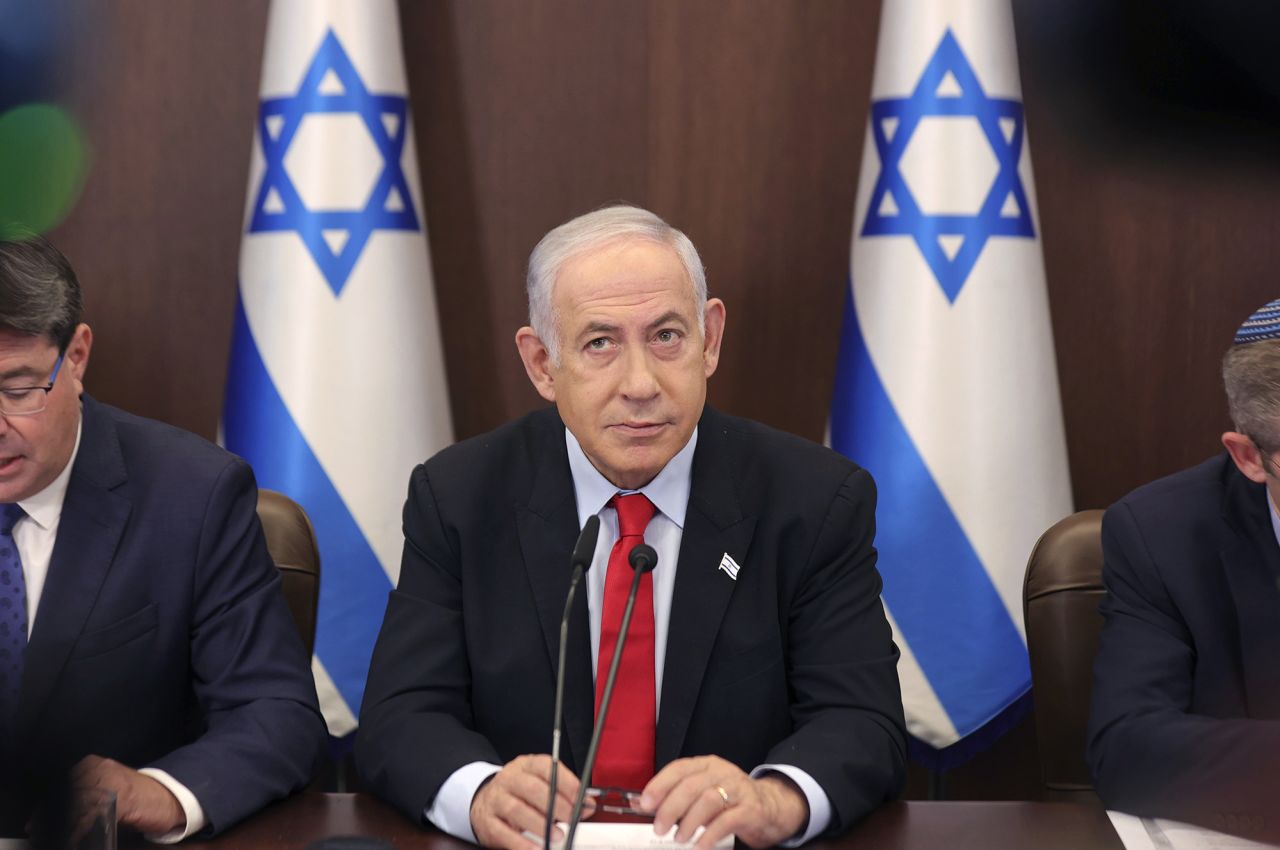
Israeli Prime Minister Benjamin Netanyahu has declared that the Israeli military retains full operational freedom in southern Lebanon, rejecting calls for a withdrawal from what Israel terms its “security zone.” The statement comes as indirect negotiations in Switzerland—facilitated by mediators including the U.S. and UN—raise questions about whether Israel will scale back its military presence in the region, where tensions with Hezbollah and other armed groups persist. While no formal agreement has been reached, Netanyahu’s remarks signal Israel’s unwavering stance on maintaining control over the border area, even as regional dynamics shift.
Israel’s military operations in southern Lebanon have long been tied to its stated goal of preventing cross-border attacks and maintaining a “buffer zone” along the Lebanese border. According to Reuters, Israeli officials have emphasized that any reduction in troop numbers would not compromise Israel’s security objectives. However, conflicting reports suggest that behind-the-scenes discussions—including potential U.S. mediation—could lead to a partial drawdown, though no timeline has been confirmed.
This development follows months of heightened tensions, including clashes between Israeli forces and Hezbollah, the Iran-backed militant group that controls much of southern Lebanon. The situation has drawn international scrutiny, particularly as Lebanon’s fragile political landscape and Hezbollah’s deep ties to Iran complicate efforts to stabilize the region. Meanwhile, Israel’s military strategy remains focused on deterrence, with Netanyahu’s latest remarks reinforcing that any adjustments to troop deployments will be made on Israel’s terms.
–>
Why Is Israel Insisting on Full Military Freedom in Southern Lebanon?
Netanyahu’s assertion that Israel’s military “has full freedom of action” in southern Lebanon reflects a broader security doctrine that prioritizes unilateral control over shared border management. According to Al Jazeera, this stance is rooted in Israel’s experience with past conflicts, including Hezbollah’s 2006 war with Israel and the group’s ongoing arms buildup in Lebanon.

Israel’s “security zone” in southern Lebanon—officially unrecognized by Lebanon but effectively controlled by Israeli forces—has been a contentious issue for decades. The area, which Israel refers to as the “security belt,” is roughly 10 kilometers deep and extends along the border. While Lebanon’s government has repeatedly demanded Israel’s withdrawal, Hezbollah’s presence and the group’s refusal to disarm have made any negotiated solution elusive.
Netanyahu’s remarks also come as Israel faces pressure from Washington and other allies to de-escalate tensions. The U.S. has reportedly urged Israel to avoid further military escalation, particularly as the Gaza conflict continues to dominate regional attention. However, Israeli officials have made clear that any concessions on troop levels will be tied to concrete security guarantees, a position that Lebanese and international mediators have struggled to address.
What Do the Indirect Switzerland Talks Mean for Israel’s Military Presence?
The indirect negotiations taking place in Switzerland—facilitated by a U.S. delegation and UN officials—have been described as exploratory rather than binding. According to BBC, the talks aim to discuss confidence-building measures, including potential troop reductions, but no formal agreements have been reached. Netanyahu’s insistence on Israel’s “full freedom of action” suggests that any reductions would be incremental and contingent on Hezbollah’s behavior.
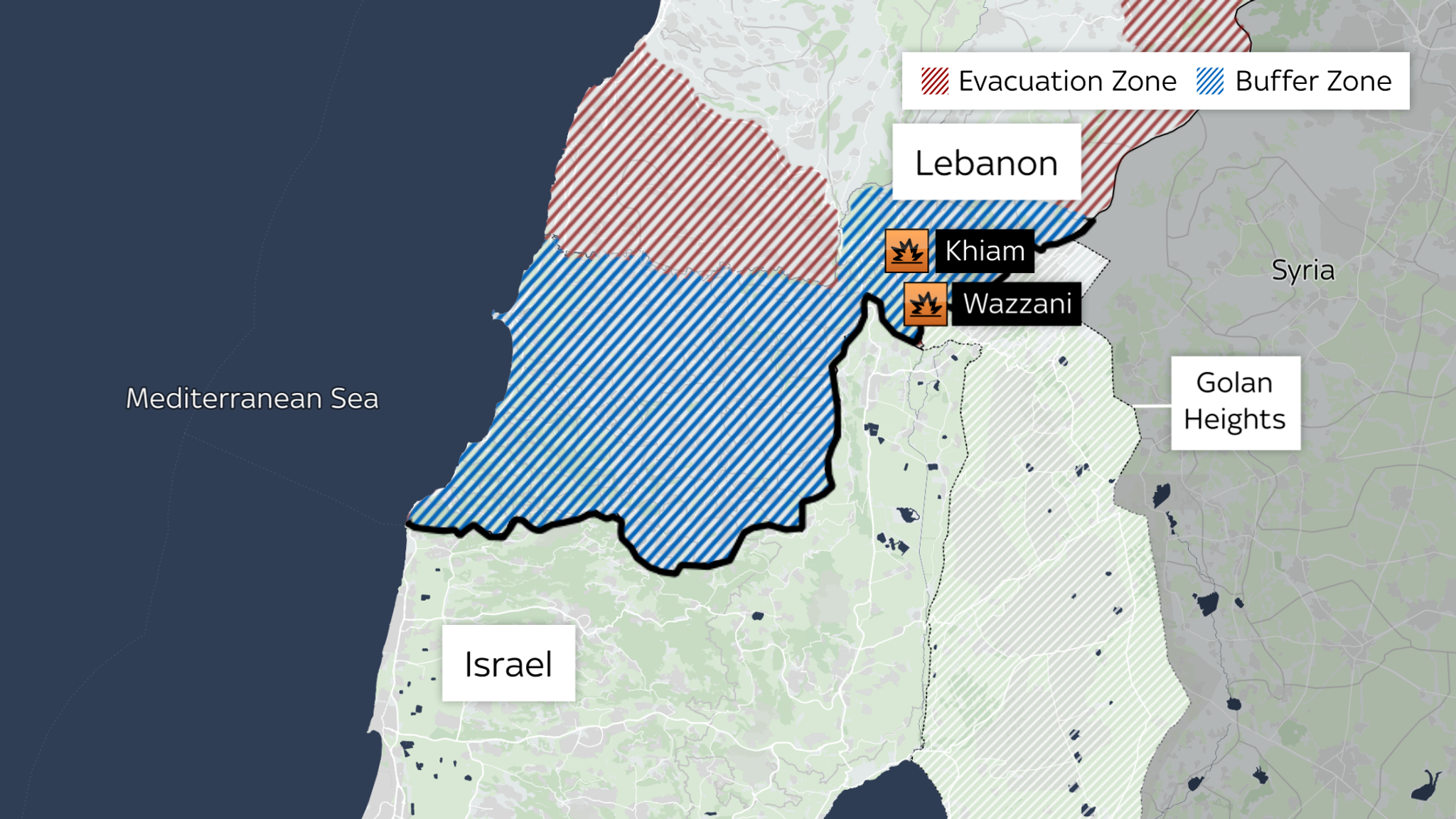
One key point of contention is whether Israel will withdraw from specific areas within the security zone, particularly near villages and civilian populations. Lebanese officials, including Hezbollah, have argued that Israel’s continued military presence violates Lebanon’s sovereignty. However, Israel’s military has stated that any withdrawal would leave vulnerabilities that could be exploited by armed groups.
Adding complexity to the negotiations is the broader regional context. Iran’s support for Hezbollah and its proxy networks in Syria and Iraq has led to concerns that any Israeli withdrawal could embolden these groups. Meanwhile, Lebanon’s political instability—with no sitting president since 2022 and a government mired in corruption scandals—limits Beirut’s ability to exert control over southern Lebanon, further complicating diplomatic efforts.
How Might Israel’s Stance Affect Lebanon and the Wider Region?
Israel’s refusal to withdraw from southern Lebanon has immediate implications for Lebanon’s already strained economy and security. The presence of Israeli forces in the area has led to periodic clashes, displacement of civilians, and economic disruptions, particularly in border towns like Marjayoun and Bint Jbeil. According to UN reports, these tensions have contributed to a broader humanitarian crisis, with thousands of Lebanese displaced due to conflict-related violence.

For Hezbollah, Israel’s military stance reinforces the group’s narrative that it is the primary defender of Lebanon’s southern regions against Israeli aggression. This dynamic has allowed Hezbollah to maintain its political and military influence, despite international sanctions and Lebanon’s economic collapse. The group’s arsenal—estimated by some analysts to include tens of thousands of rockets—remains a major flashpoint, with Israel conducting periodic airstrikes to degrade Hezbollah’s capabilities.
Regionally, Israel’s approach to southern Lebanon is closely watched by other actors, including Saudi Arabia and the UAE, which have sought to reduce tensions with Israel as part of broader normalization efforts. However, any perceived weakness in Israel’s security posture could undermine these diplomatic initiatives. Meanwhile, Iran’s continued support for Hezbollah and other proxies ensures that the southern Lebanon issue remains intertwined with the broader Israel-Iran rivalry.
What Happens Next? Key Checkpoints and Uncertainties
The next critical phase in this standoff will likely hinge on the outcome of the Switzerland talks. While no formal deadline has been set, diplomatic sources suggest that mediators are aiming to reach a preliminary agreement by late May or early June. However, Netanyahu’s recent remarks indicate that Israel is unlikely to make unilateral concessions without clear security assurances.
In the meantime, Israel’s military continues to monitor Hezbollah’s activities closely. Recent reports from The Times of Israel suggest that Israel has increased surveillance along the border, including the use of drones and advanced radar systems. Hezbollah, for its part, has stepped up its own military drills and rhetoric, warning that any Israeli provocation will be met with a strong response.
For readers seeking updates, the following sources provide real-time coverage:
As the situation evolves, World Today Journal will continue to monitor developments and provide verified updates. We encourage readers to share their insights or questions in the comments below, and to follow our coverage for further analysis on how these tensions may shape the future of the region.
Worth a look