
NetBox Labs has officially launched its Infrastructure Intelligence Platform, marking a transition for the popular open-source network inventory tool into a broader, lifecycle-oriented system. As the project reaches its 10-year anniversary, the company is positioning the platform to address the growing complexity of modern data centers, including those optimized for AI workloads. The platform consolidates procurement, design, and operational validation, aiming to reduce the tool sprawl often cited by infrastructure leaders.
Originally released as an open-source project in 2016, NetBox was created to provide network teams with a reliable, single source of truth for their physical and logical network assets. According to data from the project’s repository, the software has grown to include more than 20,000 stars on GitHub, with contributions from nearly 400 individual developers across more than 350 releases. Today, the tool is utilized by more than 10,000 organizations, ranging from enterprise network departments to specialized AI data centers.
The Evolution of NetBox Labs
The trajectory of NetBox changed significantly following the involvement of Kris Beevers, the current CEO of NetBox Labs. Beevers first encountered the project while leading the DNS provider NS1. He noted that the frequency with which he encountered NetBox deployments in the industry prompted him to investigate the project’s widespread adoption. In 2020, NS1 began hiring core contributors to the project to build commercial tooling, which led to the 2021 launch of NetBox Cloud. Following IBM’s 2023 acquisition of NS1, NetBox Labs was established as an independent entity to focus on the continued development of both the open-source project and its commercial ecosystem.
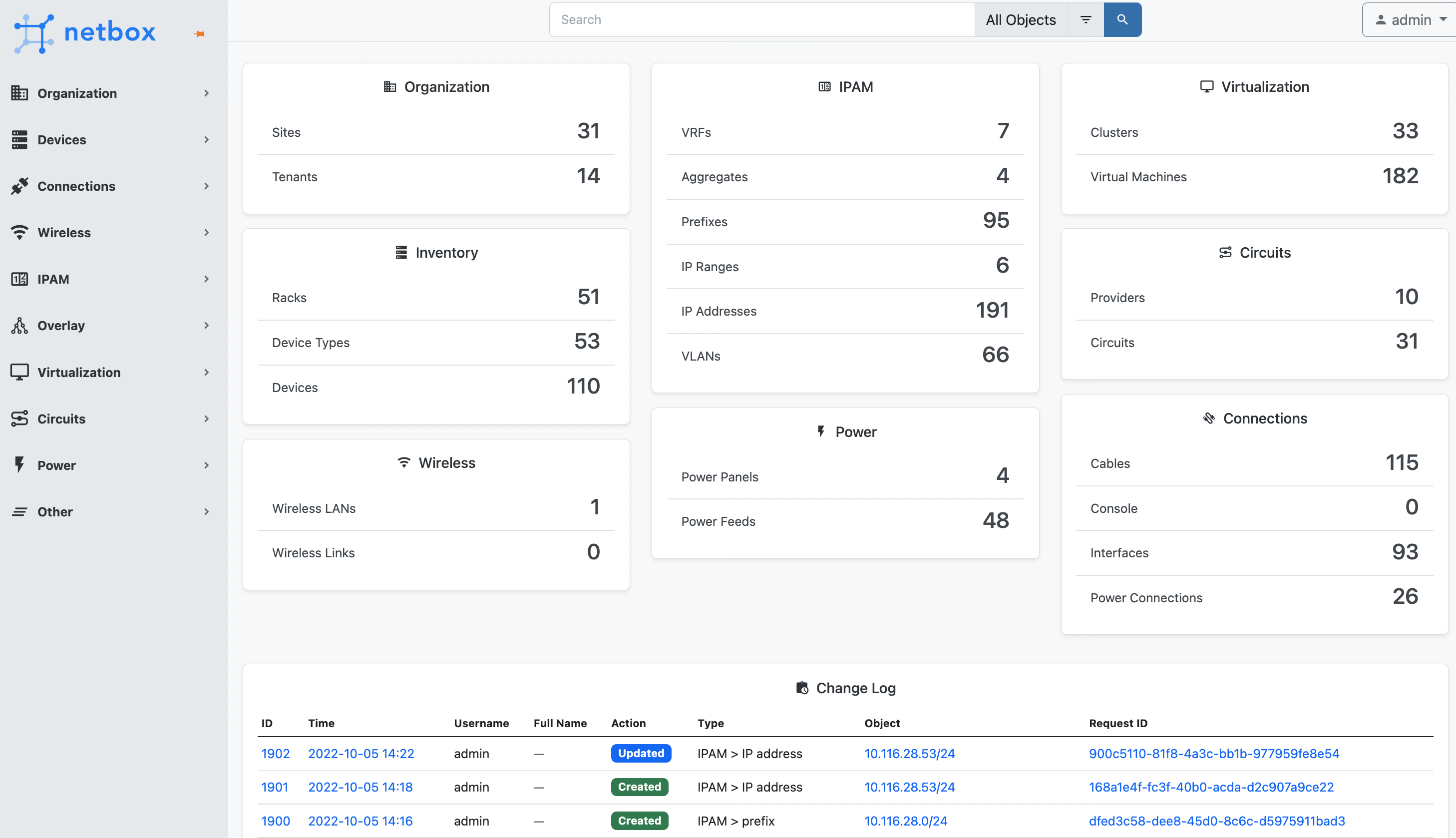
The shift toward an “Infrastructure Intelligence Platform” represents an attempt to unify these disparate functions. Beevers has stated that large enterprises often struggle with fragmented visibility, frequently reporting the use of as many as 14 different network observability tools. By consolidating these functions, NetBox Labs aims to provide a cohesive data model that supports infrastructure velocity, particularly as teams face the intense time pressures associated with building out AI-ready data centers.
Core Capabilities of the New Platform
The Infrastructure Intelligence Platform introduces four primary functional areas designed to span the full lifecycle of hardware, from initial procurement through to eventual decommissioning. These features extend the platform’s utility beyond traditional network inventory management.
- NetBox Data Exchange (NDX): This module serves as a metadata repository, providing information on device logical characteristics, environmental requirements—such as heat output—and lifecycle dates for tens of thousands of unique device types.
- NetBox Asset Lifecycle: This component acts as a procurement and deployment pipeline. It links network design directly to physical assets, managing bills of materials, purchase orders, and shipment tracking against planned Data Center Infrastructure Management (DCIM) objects.
- NetBox Validation: This feature provides a pre-change compliance guardrail. It evaluates planned infrastructure changes against organizational policies and regulatory frameworks, ensuring safety before configurations are pushed to production.
- Platform MCP Server and Agent Skills: To accommodate the rise of automated infrastructure management, NetBox Labs has introduced a hosted Model Context Protocol (MCP) server. This allows AI agents to interface directly with the platform using an open-source library of specialized skills.
Addressing the Rise of Agentic Infrastructure
A central tenet of the new platform is what Beevers describes as a “two front doors” philosophy. This approach acknowledges that while AI agents will increasingly handle the operational execution of infrastructure tasks, human operators remain responsible for defining strategy and intent. The platform is designed to provide full addressability for autonomous agents while simultaneously offering upgraded, strategic interfaces for human engineers.
This development follows the existing “NetBox Assurance” product, which monitors operational infrastructure to verify that it aligns with the intended state. By pairing the new Validation module—which checks the design intent—with the Assurance module—which checks the reality of the deployment—NetBox Labs aims to close the loop on infrastructure management. As AI continues to influence the scale and speed of network buildouts, the ability to automate these checks becomes increasingly critical for maintaining compliance and operational stability.
The company has not announced specific pricing tiers for the new commercial modules, though it continues to maintain the core open-source version of the project. Interested parties can monitor the official NetBox Labs website for updates regarding enterprise availability and documentation for the new API integrations. Community members and infrastructure engineers are encouraged to participate in the project’s ongoing development via the official GitHub repository or by joining the community Slack channels.
Keep reading