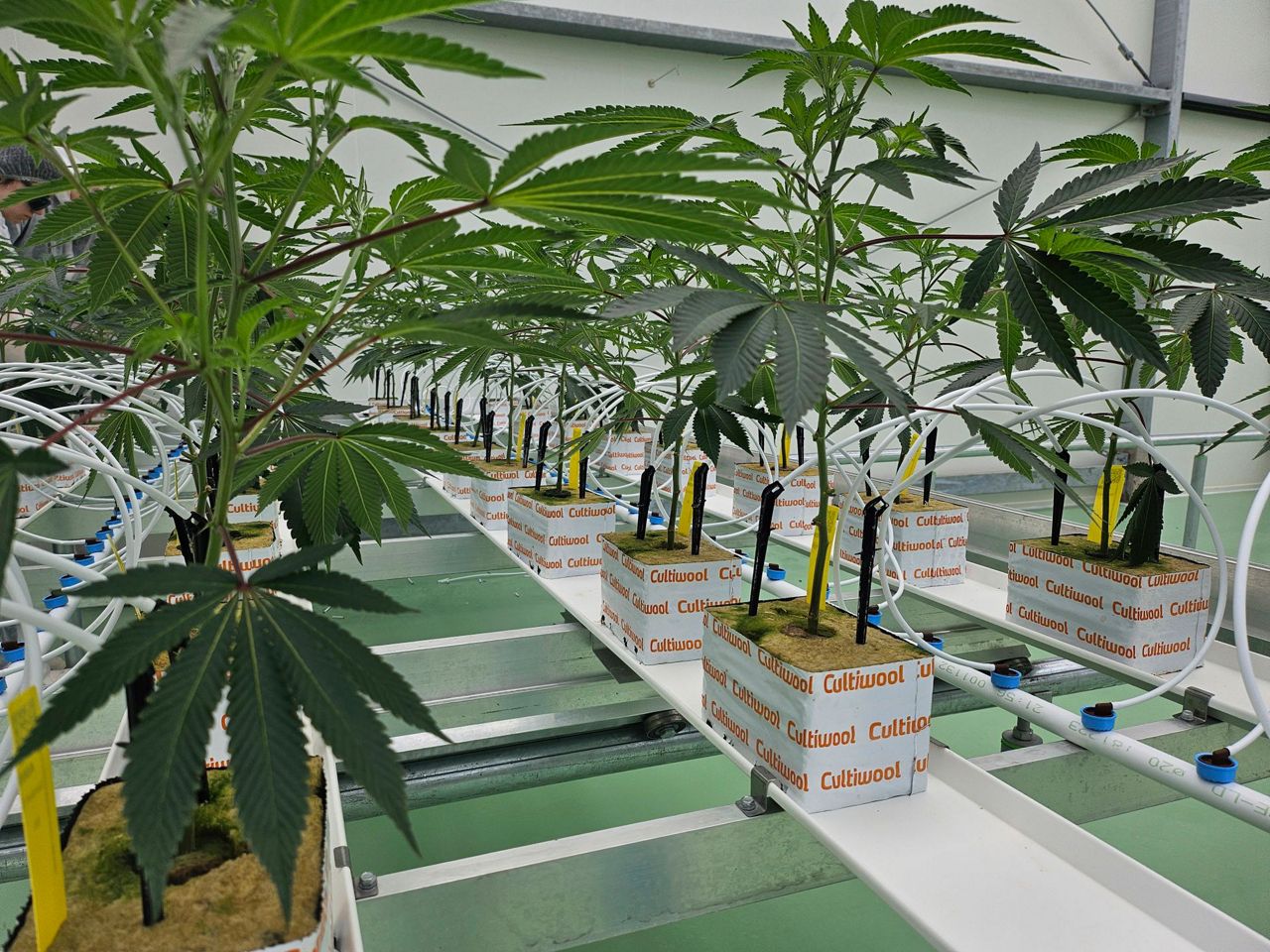
Today, April 7, 2026, marks exactly one year since the Netherlands launched its ambitious “Experiment Gesloten Coffeeshopketen” (Closed Coffeeshop Chain Experiment). This trial represents a significant pivot in the country’s long-standing drug policy, attempting to solve the paradoxical “back door” problem: even as the sale of cannabis in coffeeshops is tolerated, the production and supply remain illegal.
The Dutch cannabis experiment aims to eliminate the criminal element from the supply chain by introducing government-regulated cultivation. By appointing official growers and implementing a strict “track and trace” system, the Dutch government is testing whether a closed loop—from seed to sale—can reduce the crime associated with the production, transport and distribution of cannabis products.
Under the current framework, participating coffeeshops are prohibited from sourcing their products from the illegal market. Instead, they must purchase regulated weed and hash from government-approved growers. These products are then transported to the shops by contracted, secure logistics companies to ensure the chain remains unbroken and transparent.
The Mechanics of the Closed Coffeeshop Chain
The primary objective of the experiment is to limit criminality surrounding the production and sale of cannabis. In the traditional Dutch model, coffeeshops were allowed to sell small amounts of cannabis, but they had to procure that cannabis from illegal growers, creating a loophole that organized crime frequently exploited. The “Closed Coffeeshop Chain” seeks to close this loophole entirely.
The government manages this process by designating specific growers who must adhere to strict quality standards. Every gram of cannabis is registered in a track and trace system, allowing authorities to monitor the flow of products from the cultivation site to the retail counter. Despite these regulatory changes, cannabis has not become legal under this experiment; the leverage of cannabis continues to be tolerated (gedoogd), but the supply side is now regulated via the government’s experimental framework.
The Nijmegen Implementation and the ‘Hash Delay’
The city of Nijmegen serves as a key case study for the experiment, with nine coffeeshops participating in the trial according to local participation data. The rollout in Nijmegen highlighted the logistical complexities of regulating different types of cannabis products.
When the experimental phase began on April 7, 2025, coffeeshops were immediately required to sell only regulated weed products. However, the production of regulated hash experienced delays at the start of the phase. Authorities in Nijmegen did not enforce the ban on non-regulated hash products between April and September 2025. This grace period ended on September 1, 2025, at which point Nijmegen coffeeshops were mandated to sell only government-regulated weed and hash, with strict enforcement and controls put in place as reported by the Municipality of Nijmegen.
Participating Municipalities and Local Variations
The experiment is not nationwide but is instead concentrated in 10 selected municipalities. These cities were chosen based on their willingness to participate and the specific nature of their existing coffeeshop landscapes. While the overarching goal is the same, some cities have implemented additional local restrictions to manage the impact of the trial.
The following municipalities are currently part of the trial, with varying numbers of participating shops:
- Maastricht: 13 participating coffeeshops.
- Arnhem: 11 participating coffeeshops.
- Breda: 8 participating coffeeshops.
- Groningen: 8 participating coffeeshops.
- Nijmegen: 9 participating coffeeshops.
- Almere: 3 participating coffeeshops.
- Heerlen: 2 participating coffeeshops.
- Voorne aan Zee: 2 participating coffeeshops.
The I-Criterion and Tourism Control
A significant point of divergence in the experiment is the application of the “I-criterion.” In cities like Breda and Maastricht, coffeeshops are prohibited from selling cannabis to non-residents of the Netherlands per local enforcement rules. This measure is designed to prevent “drug tourism,” which often puts pressure on local infrastructure and increases the risk of public nuisance.
In Heerlen, the proximity to the German border has made the prevention of drug tourism a primary focus for local authorities, leading to increased controls over the stock and sale of regulated cannabis to ensure the experiment does not inadvertently fuel cross-border illegal trade as detailed in municipality summaries.
Evaluating the Impact: What Happens Next?
The “Experiment Gesloten Coffeeshopketen” is designed to run for a total period of four years as specified by the government’s timeline. This duration allows the state to gather sufficient data on whether the regulated supply chain actually reduces the influence of organized crime and improves the quality and safety of the products sold to consumers.
The success of the trial will likely be measured by several metrics: the reduction in illegal cultivation sites, the efficiency of the track and trace system, and the ability of coffeeshops to remain financially viable while sourcing more expensive, regulated products. The government’s ability to maintain quality standards and secure transport without creating new bureaucratic bottlenecks will also be under scrutiny.
| Feature | Experimental Status |
|---|---|
| Legal Status of Use | Tolerated (Gedoogd) |
| Production | Government-regulated growers |
| Tracking | Mandatory “Track and Trace” system |
| Experiment Duration | 4 Years |
| Primary Goal | Reduction of cannabis-related crime |
Stakeholders and Public Interest
The experiment affects a wide range of stakeholders. For coffeeshop owners, it represents a shift toward a more legalistic and transparent business model, though it removes their ability to negotiate prices with various suppliers. For the government, We see a test of regulatory capacity. For the public, particularly those living near participating shops, the experiment is a trial in how regulated commerce can coexist with urban residential areas.
As the trial enters its second year, the focus will shift toward analyzing the data from the first 12 months. The transition from the initial “experimenteerfase” (experimenting phase) to a more stabilized regulated market is ongoing, with cities like Almere focusing on a phased introduction and strict enforcement to ensure an orderly transition from tolerated to regulated cannabis according to municipal guidelines.
With the first anniversary now complete, the next critical phase involves the continued monitoring of the supply chain and the evaluation of the “closed loop” efficiency across all 10 participating municipalities. Official updates on the experiment’s progress are typically coordinated through the Rijksoverheid (National Government) and participating local councils.
World Today Journal will continue to monitor the developments of the Dutch cannabis experiment. We invite our readers to share their perspectives on regulated supply models in the comments below.
Keep reading