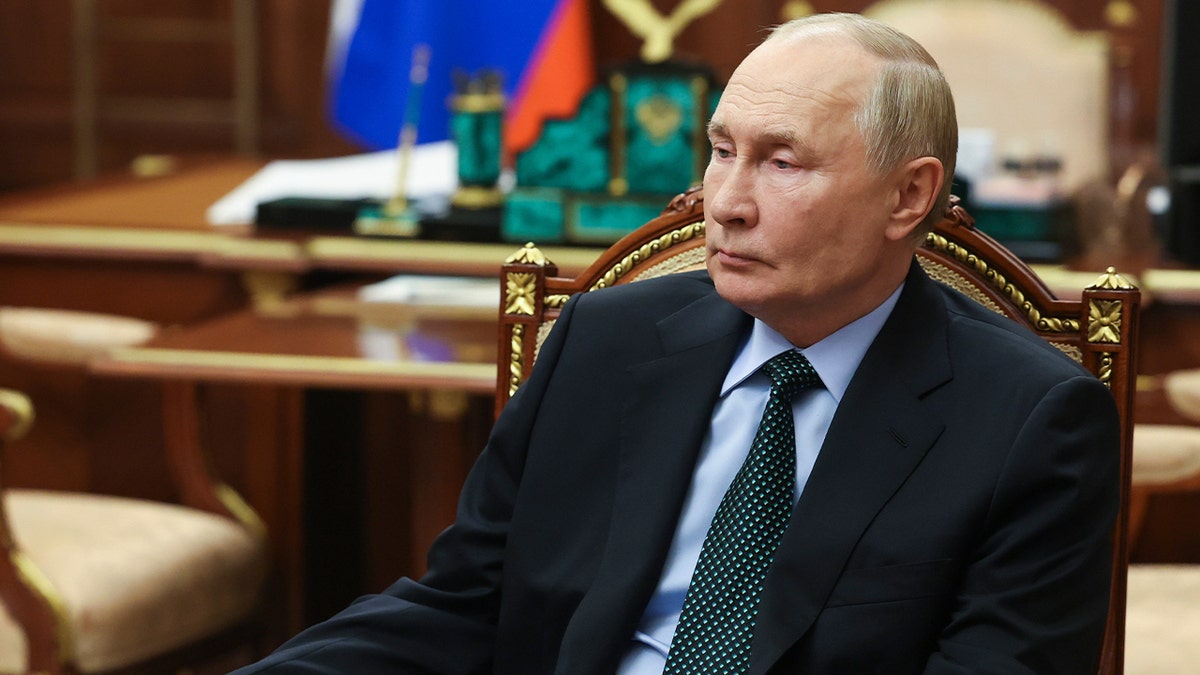
Russia has launched its most brutal aerial assault on Ukraine since the start of the full-scale invasion, signaling the beginning of Vladimir Putin’s spring offensive in Ukraine. According to the Institute for the Study of War, the onslaught featured a barrage of nearly 1,000 drones launched over a single 24-hour period, marking the largest single-day aerial attack of the conflict to date reported by The Independent.
The scale of the aggression is staggering. Ukraine’s air force confirmed that Russia deployed 23 cruise missiles and seven ballistic missiles, striking at least 10 different locations. The attacks spanned 11 regions and hit seven cities, including a Unesco World Heritage site. At least six people were killed in the wave of strikes, which included rare daylight attacks on residential areas, such as an apartment building in Lviv verified via The Independent.
This escalation comes at a precarious moment for Kyiv. While spring offensives have become a seasonal expectation due to improving weather conditions, the current intensity suggests a strategic attempt by the Kremlin to capitalize on global distractions. With peace talks stalled and international attention divided, experts warn that the current geopolitical climate has handed Vladimir Putin a critical window of opportunity to accelerate his aggression.
A Window of Opportunity: How Global Conflict Leaves Ukraine Exposed
The timing of this offensive is not coincidental. Analysts suggest that the raging conflict in the Middle East has effectively diverted global attention and military resources away from the European theater. Jaroslava Barbieri, a research fellow at the Ukraine Forum at Chatham House, notes that the escalation in the Middle East has created a vulnerability for Ukraine, as air defense systems and munitions are shifted toward the Middle East via The Independent.
This shift in priorities is particularly evident in the United States. As the U.S. Prioritizes its own military operations against Iran, weapon supplies to Ukraine have seen a decline, leaving the country more susceptible to renewed aerial attacks. This supply chain strain, coupled with the diversion of munitions, has left Ukrainian skies more exposed than they have been in recent months.
Russia continues to fund its war effort through significant financial gains, including revenue derived from the closure of the Strait, allowing the Kremlin to sustain a high-intensity offensive despite ongoing international sanctions reported by The Independent.
The Diplomacy Gap: Failed Geneva Talks and the ’24-Hour’ Promise
As the military situation deteriorates, diplomatic efforts to end the war appear to be grinding to a halt. In February 2026, US-led peace talks in Geneva ended earlier than scheduled on a Wednesday, failing to produce any significant breakthrough via Al Jazeera.
These mediation efforts were led by Steve Witkoff, the special envoy for US President Donald Trump, and Jared Kushner, Trump’s son-in-law. The failure of these talks stands in stark contrast to the claims made by Donald Trump during his 2024 presidential campaign, where he repeatedly asserted that he could broker a ceasefire in Ukraine within “24 hours.” To date, he has been unable to fulfill this promise verified by Al Jazeera.
The lack of diplomatic progress is mirrored by the continued brutality on the ground. For example, on February 12, 2026, Ukrainian rescuers were forced to work at the site of a Russian strike on a private residential building in Kramatorsk, in the Donetsk region, illustrating that the war remains far from a resolution via Al Jazeera.
The Human Cost of a Four-Year War
As the conflict enters its fifth year, the human toll has reached catastrophic levels. Reports indicate that the war has killed more than a million people via Al Jazeera. The fourth anniversary of Moscow’s full-scale invasion, which began on February 24, 2022, served as a grim reminder of the longevity and intensity of the fighting.
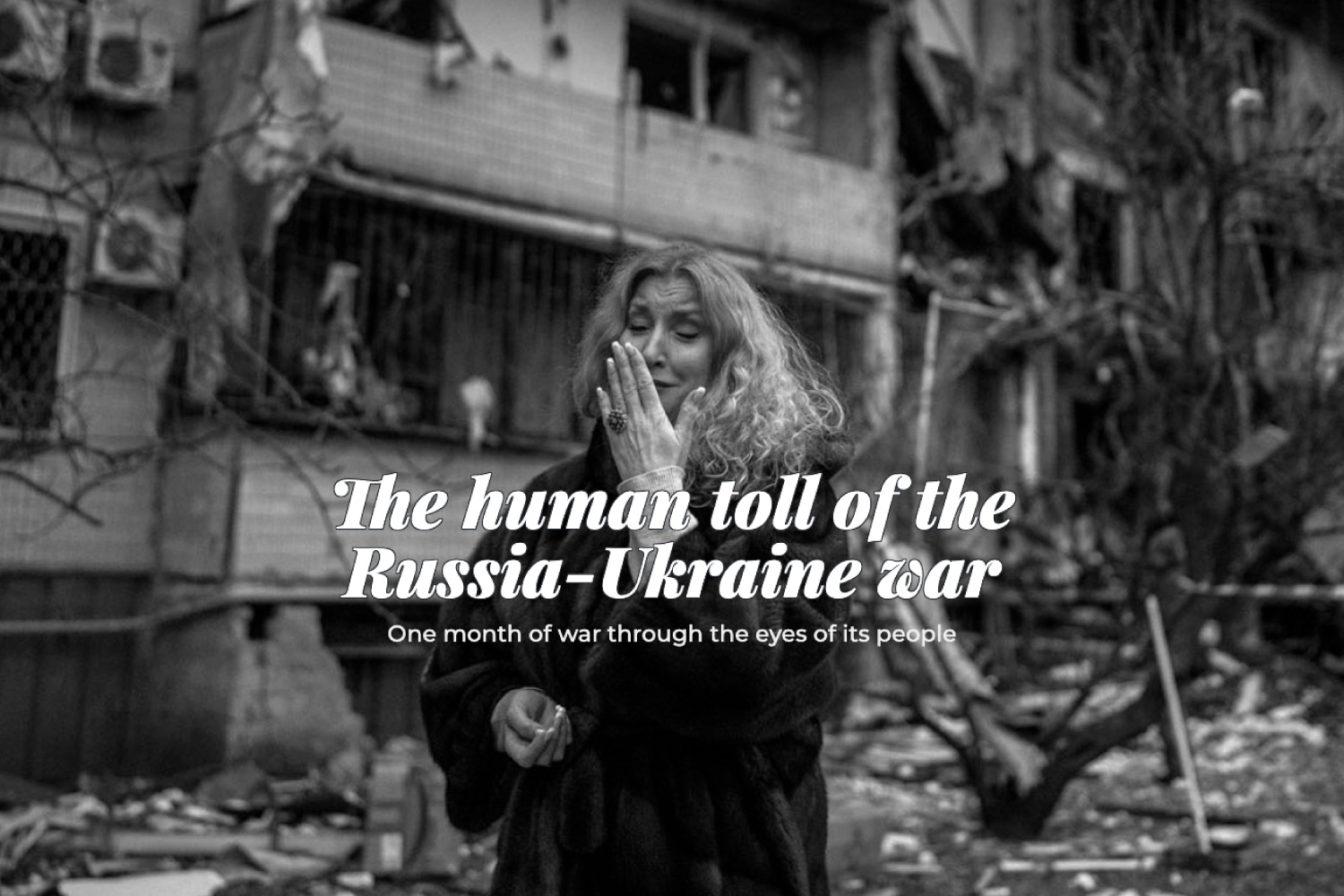
The current strategy of the Kremlin appears to be one of attrition and intimidation. By targeting both military infrastructure and civilian residential areas, Russia aims to break Ukrainian resolve while the international community is preoccupied. The use of nearly 1,000 drones in a single day is not just a tactical move but a psychological one, designed to stretch Ukrainian air defenses to their absolute limit.
| Weapon Type | Quantity (24-Hour Period) | Impact Area |
|---|---|---|
| Drones | Nearly 1,000 | 11 regions, 7 cities |
| Cruise Missiles | 23 | Including Unesco World Heritage site |
| Ballistic Missiles | 7 | Multiple locations |
With peace talks in Geneva failing and the US military focus shifting toward Iran, Ukraine faces its most challenging period since the start of the spring season. The international community now watches to see if Kyiv can sustain its defenses amid dwindling supplies or if the “window of opportunity” Putin has identified will lead to a significant shift in the front lines.
The next critical checkpoint will be the ongoing monitoring of weapon deliveries from the US and other Western allies, as well as any potential resumption of mediated talks between the US, Russia, and Ukraine.
Do you believe the current shift in global military priorities is the primary driver of this escalation? Share your thoughts in the comments below.