Dutch Intelligence Scales Back Information Sharing with the U.S. Amid Political Concerns
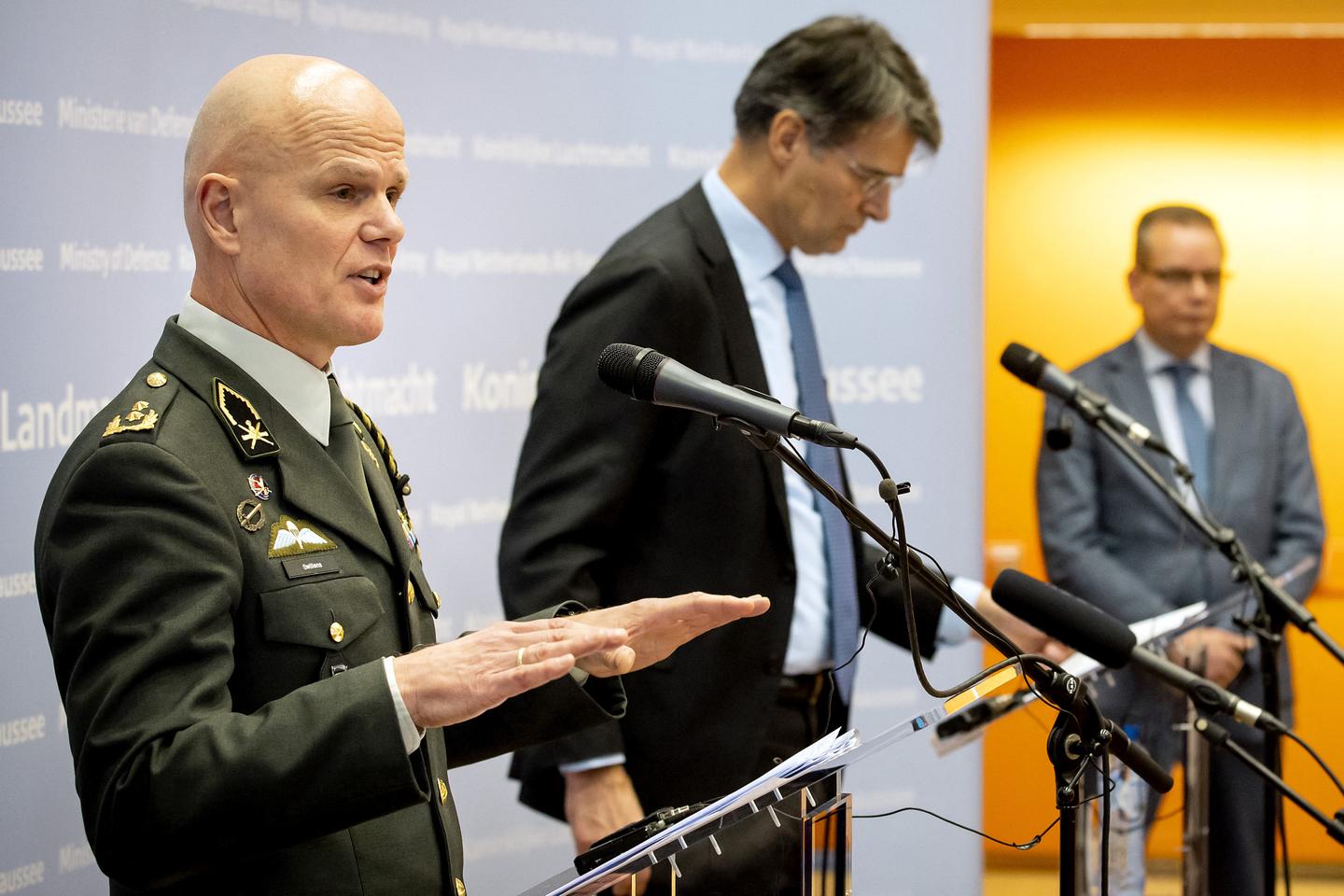
The Netherlands is significantly adjusting its intelligence cooperation with the United States, a move prompted by growing anxieties over the potential for politicization of shared information.This decision, confirmed on October 18th by the heads of the Dutch General Intelligence and Security Service (AIVD) and the Military Intelligence and Security Agency (MIVD), signals a notable shift in a long-standing alliance.
For years, the Dutch services have collaborated closely with the U.S. Central Intelligence Agency (CIA) and the National Security Agency (NSA). However, recent developments have raised concerns about how this intelligence might be utilized. You might be wondering what sparked this change, and it centers around a fear that sensitive data could be leveraged for political gain.
Rising Concerns About Politicization
Several factors contributed to this decision. Specifically, the directors expressed unease regarding the dismissal of Timothy Haugh, the former director of the NSA, earlier this year. he was a well-known and trusted contact within the Dutch intelligence community.
Furthermore, there’s a broader apprehension about the potential for misuse of intelligence, particularly in a highly charged political climate. As one former MIVD director noted, the risk of eroding democratic principles necessitates a cautious approach to prevent potential abuses.
What This means for Intelligence Sharing
Essentially, the AIVD and MIVD are taking steps to protect the integrity of their work and ensure the information they gather isn’t exploited for partisan purposes. This isn’t a complete severing of ties, but rather a recalibration of the relationship.
Here’s a breakdown of what you need to know:
* Reduced Flow of Information: The Dutch agencies will be more selective about the intelligence they share with their U.S. counterparts.
* Focus on Core Security Interests: Cooperation will likely concentrate on areas of mutual security interest where the risk of politicization is lower.
* emphasis on Trust: maintaining a foundation of trust is paramount, and the recent events have understandably shaken that confidence.
Why This Matters to You
This situation highlights a growing trend among allied nations – a reevaluation of intelligence sharing practices considering domestic political considerations. It’s a reminder that even the closest partnerships require constant vigilance and a commitment to shared values.
Ultimately, this decision reflects a desire to safeguard the independence and objectivity of Dutch intelligence services. It’s about ensuring that their work remains focused on protecting national security, free from undue political influence. You can expect this to be a developing story as both nations navigate this evolving dynamic.
This adjustment underscores the importance of maintaining strong ethical standards within the intelligence community and protecting the integrity of information gathering and analysis.It’s a complex issue with far-reaching implications, and one that will undoubtedly continue to shape international security cooperation in the years to come.