The European Commission has taken a significant step in addressing public health preparedness by securing access to an experimental antiviral treatment for hantavirus, which is now being distributed to the Netherlands. This move is part of a broader European Union initiative aimed at strengthening the continent’s response to emerging infectious diseases and ensuring that member states have access to medical countermeasures when traditional treatment options are limited.
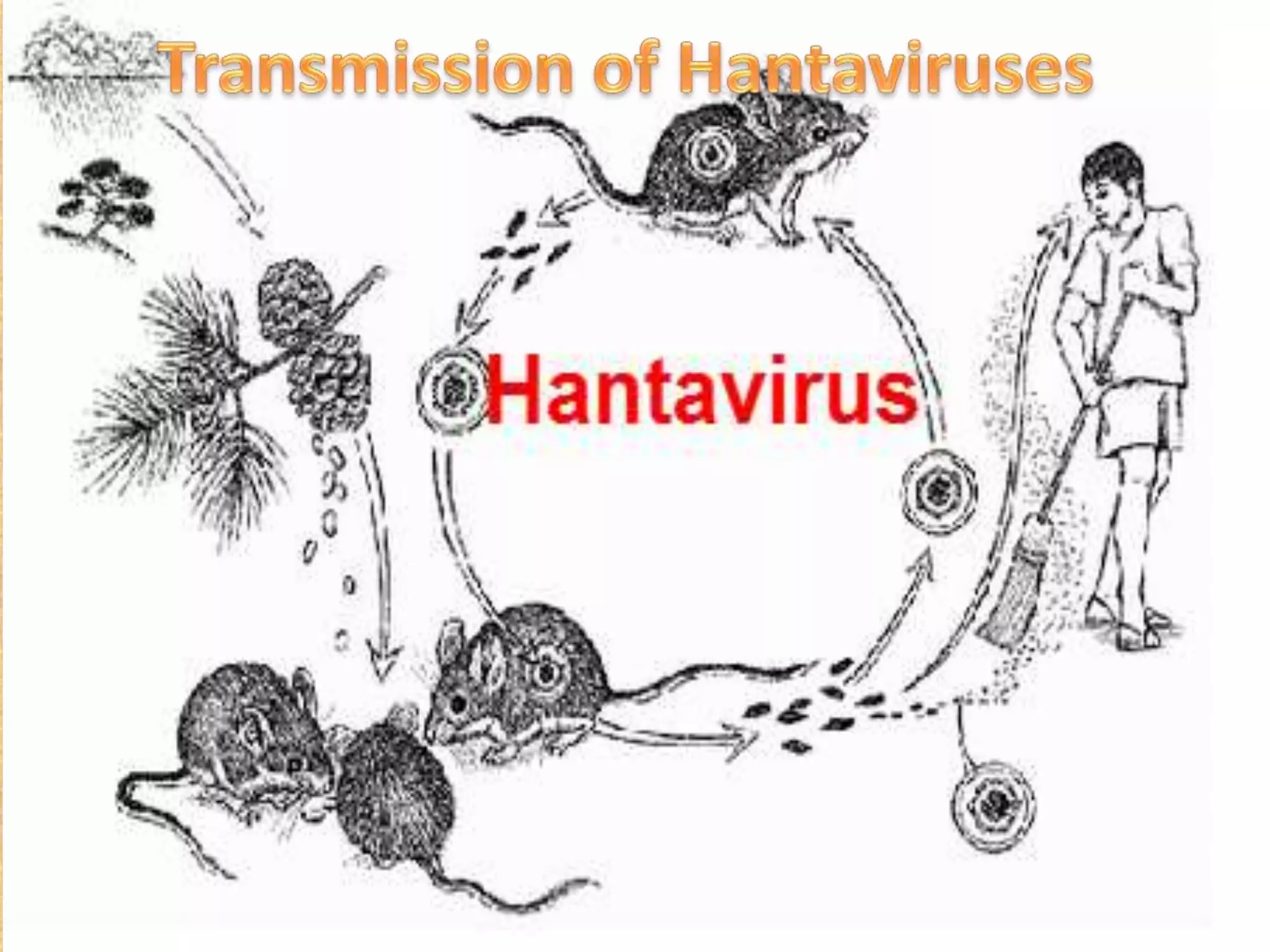
As a physician, I often emphasize that preparedness is the cornerstone of effective public health. The arrival of these doses in the Netherlands represents a strategic effort to manage potential outbreaks of hantavirus, a group of viruses primarily transmitted to humans through contact with the urine, droppings, or saliva of infected rodents. While hantavirus infections are relatively rare in Europe, the severity of the associated conditions—such as Hantavirus Pulmonary Syndrome (HPS) or Hemorrhagic Fever with Renal Syndrome (HFRS)—necessitates robust medical contingency planning.
Understanding the Role of Experimental Antivirals
The decision to distribute an experimental, antiviral agent reflects the European Union’s ongoing commitment to the Health Emergency Preparedness and Response Authority (HERA). HERA was established to detect health threats and secure the supply of critical medical countermeasures, including vaccines and treatments, before crises escalate. In the case of hantavirus, there is currently no broadly approved, specific antiviral cure that is universally available, which makes the deployment of experimental options a vital step in clinical research and emergency response.

Experimental treatments are typically utilized under strict regulatory oversight. In many cases, these medications are deployed through “compassionate use” programs or clinical trials, ensuring that patients receive potentially life-saving care while researchers continue to gather data on efficacy, and safety. For clinicians in the Netherlands, this arrival provides a new tool to manage severe cases where supportive care—the current standard—might not be sufficient to prevent long-term complications or mortality.
Hantavirus: Risks and Clinical Context
Hantaviruses are zoonotic, meaning they jump from animals to humans. In Europe, the Puumala virus is the most common cause of nephropathia epidemica, a milder form of hemorrhagic fever with renal syndrome. While many infections are asymptomatic or present with mild flu-like symptoms, some patients develop acute kidney injury or severe respiratory distress. The introduction of an antiviral agent aims to reduce the viral load in patients, potentially shortening the duration of illness and preventing the progression to severe organ failure.
According to the European Centre for Disease Prevention and Control (ECDC), the risk of hantavirus infection is often linked to environmental factors, such as increased rodent populations in forested areas or agricultural settings. Public health authorities emphasize that the most effective way to prevent exposure remains avoiding direct contact with rodent excreta and ensuring proper hygiene in areas where rodents may be present.
What This Means for Public Health Preparedness
The procurement of this treatment is not indicative of an imminent, widespread epidemic, but rather a proactive measure in the framework of European health security. By pooling resources and securing supplies at the EU level, member states can avoid the competition for scarce medical resources that often occurs during health emergencies. This centralized approach allows for a faster, more equitable distribution of life-saving interventions.

For patients and their families, the news of an experimental treatment provides a measure of hope. However, It’s essential to remember that such treatments are not “cures” in the traditional sense; they are specialized interventions meant for specific clinical scenarios. Medical professionals in the Netherlands are expected to follow strict protocols regarding who is eligible for the treatment, prioritizing those at the highest risk for severe disease.
Looking Ahead: Future Developments
The distribution of this antiviral is only the beginning of a longer clinical monitoring process. The European Commission and the European Medicines Agency (EMA) will likely continue to evaluate the outcomes of this deployment to refine treatment guidelines. As we move forward, the focus will remain on real-world data collection, which will determine whether this experimental agent becomes a standard part of the toolkit for managing zoonotic viral infections across the continent.
For those interested in the latest updates on public health policy and the status of these medical countermeasures, the European Medicines Agency (EMA) remains the primary authority for information regarding the authorization and monitoring of medicines in the EU. As this situation develops, it is important to rely on information from national health ministries and established scientific institutions to avoid misinformation.
This is a developing situation. As a medical professional, I will continue to track the clinical outcomes and regulatory updates associated with this initiative. If you have questions about public health preparedness or are interested in the latest medical innovations, feel free to leave a comment below or share this article with your network to keep the conversation going.
Keep reading