
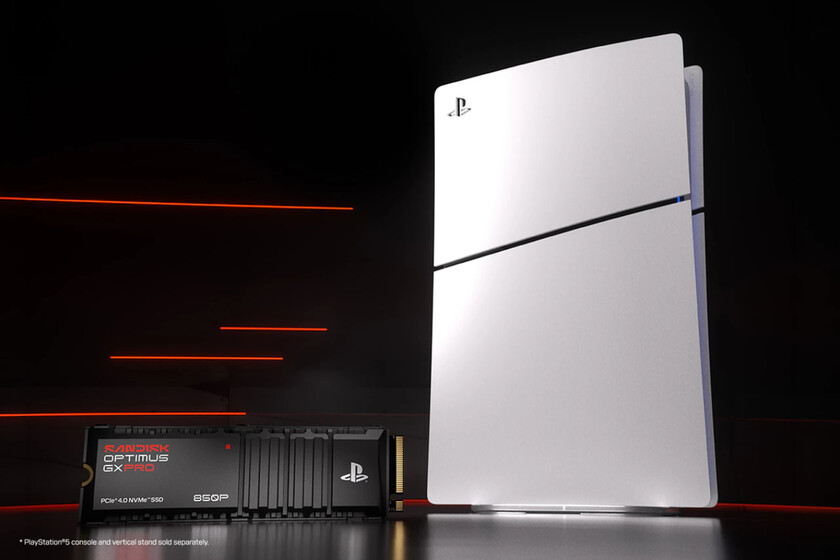
The rapidly escalating cost of high-capacity solid-state drives (SSDs) has reached a point where premium storage upgrades for the PlayStation 5 now exceed the retail price of the console itself. As manufacturers introduce massive 8 TB storage solutions tailored for Sony’s hardware, the market is seeing price tags that challenge the traditional value proposition of gaming peripherals, with some professional-grade units reaching costs nearing $3,000 according to current retail listings on technical hardware platforms.
For many users, the primary motivation for seeking these upgrades is the reality of modern game sizes, which frequently exceed 100 GB. While Sony includes an expandable M.2 SSD slot in the PlayStation 5, the high cost of high-performance NVMe storage—specifically those meeting the company’s speed requirements—has created a secondary market where the storage component can cost more than the original investment in the gaming system. This pricing trend highlights a widening gap between the accessible price of entry-level gaming hardware and the premium cost of expanding that hardware’s utility over time.
The Rising Cost of High-Capacity Storage
The recent market entry of 8 TB SSDs designed for high-performance computing has brought the issue of storage affordability to the forefront. For example, the Optimus GX Pro 850P 8 TB model has been listed at approximately $2,959.99, a figure that significantly surpasses the MSRP of the PlayStation 5 Pro or the standard model, as noted by Profesional Review. This pricing shift is largely driven by the cost of NAND flash memory and the specialized controllers required to maintain the high read and write speeds mandated for PlayStation 5 compatibility.

According to official Sony guidelines, any M.2 SSD used with the console must support PCIe Gen4 x4 M.2 NVMe technology and achieve sequential read speeds of at least 5,500 MB/s. These technical requirements limit the pool of compatible drives, effectively preventing users from opting for cheaper, lower-performance alternatives. When consumers search for storage that guarantees compatibility with the console’s demanding I/O throughput, they are often directed toward high-end segments of the market where prices remain high due to both performance specifications and the scarcity of 8 TB flash modules.
Comparing Hardware Investment vs. Peripheral Cost
To understand the current market distortion, it is helpful to contrast the cost of these storage solutions with the console itself. The PlayStation 5 Pro carries a recommended retail price of $699.99 in the United States, according to official Sony Interactive Entertainment announcements. When a consumer considers an 8 TB upgrade that costs nearly four times that amount, the decision becomes less about convenience and more about niche professional requirements or extreme storage capacity needs.

Industry analysts point out that while 2 TB and 4 TB drives have become more affordable as production scales, the 8 TB tier remains a specialized product category. As reported by various hardware tracking sites, these drives are often marketed toward professional content creators and data-intensive users rather than casual gamers. The “absurdity” cited by market observers stems from the fact that most gamers rarely require 8 TB of high-speed local storage, making these specific, ultra-expensive products a point of contention in discussions regarding the overall cost of ownership for modern gaming ecosystems.
Practical Considerations for PlayStation 5 Owners
For the average PlayStation 5 owner, the decision to upgrade storage is usually governed by the “cost per gigabyte” metric. While 8 TB drives make headlines for their extreme pricing, the market for 1 TB and 2 TB drives has matured significantly. According to data from major retailers like Best Buy and Amazon, high-quality 2 TB drives that meet Sony’s specifications are now available at a fraction of the cost of the high-capacity, enterprise-style drives that have dominated recent news cycles.
Choosing the right SSD involves balancing three key factors:
 "Practical Considerations for PlayStation 5 Owners")
- Read Speed: Must exceed 5,500 MB/s to ensure game assets load within the parameters set by the console’s architecture.
- Heatsink Requirement: Sony explicitly recommends that all M.2 SSDs be equipped with an effective cooling structure, such as an integrated or third-party heatsink, to prevent thermal throttling.
- Capacity Needs: While 8 TB is technically possible, most users find that 2 TB or 4 TB provides ample space for a library of modern, high-fidelity games without requiring a professional-grade budget.
As the industry moves toward larger game file sizes, the reliance on expandable storage is expected to grow. However, hardware manufacturers have not yet indicated a shift in pricing strategies for the ultra-high-capacity segment. Consumers should monitor official support pages from Sony for updates regarding hardware compatibility, as firmware updates occasionally expand the range of supported device formats. For those currently looking to expand, focusing on established brands that offer verified PCIe Gen4 performance remains the most reliable path to avoiding both technical issues and unnecessary overspending.
The next major update regarding console hardware compatibility will likely coincide with future system software releases from Sony, which are announced periodically through the official PlayStation Blog. We encourage readers to share their own experiences with storage upgrades and to monitor our tech section for ongoing coverage of hardware market trends.