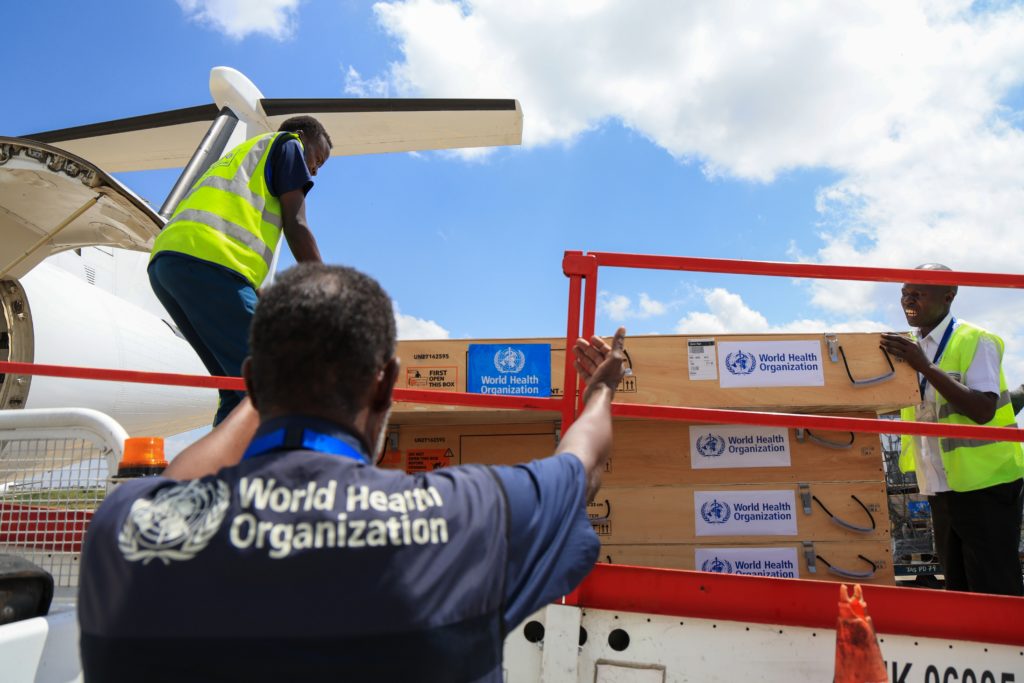
The United States government is finalizing plans to establish a specialized medical facility in Kenya designed to provide immediate care for Americans who may be exposed to Ebola while traveling abroad. The initiative, which has been confirmed by administration officials, represents a strategic shift in how the U.S. Manages high-consequence infectious disease exposure among its citizens in East Africa.
This new facility is intended to serve as a critical stabilization point, allowing medical personnel to provide rapid intervention for those potentially infected with the virus. By maintaining a regional site, the administration aims to mitigate the logistical and health risks associated with long-duration medical evacuations, which have historically required transporting patients across thousands of miles back to the United States for specialized treatment.
Addressing Logistical Challenges in Global Health Security
The decision to utilize a facility in Kenya reflects an ongoing effort to streamline the U.S. Government’s response to international health emergencies. According to official guidance from the Centers for Disease Control and Prevention (CDC), Ebola virus disease remains a severe, often fatal illness, necessitating highly specialized isolation and care protocols. The current protocol for U.S. Citizens exposed to such pathogens often involves complex, multi-stage air transport, a process that can be both time-consuming and fraught with potential for further complications.
By positioning medical resources closer to regions where such outbreaks can occur, the administration seeks to shorten the window between exposure and the initiation of advanced care. This approach aligns with broader global health security strategies, which emphasize the importance of regional capacity-building to contain threats before they escalate into domestic emergencies.
Strategic Implications for Medical Evacuation
Medical evacuations—or “medevacs”—for infectious diseases require specialized containment units, trained medical crews, and rigorous decontamination procedures. When a patient is transported from Africa to the United States, the flight time can exceed 15 hours, placing immense strain on both the patient and the specialized aircraft crews involved. The inclusion of a Kenyan facility provides a “stop-gap” solution, ensuring that patients receive initial stabilization before any further transit is deemed necessary or safe.
This development is part of a larger, ongoing series of administrative updates regarding U.S. Foreign policy and health infrastructure. For context, the current administration has been actively involved in various international and domestic initiatives, including projects aimed at infrastructure modernization and administrative oversight. The focus remains on optimizing government efficiency while ensuring the safety of U.S. Personnel stationed or traveling abroad.
Key Considerations for Travelers and Personnel
- Stabilization Priority: The facility is designed to provide immediate, high-level care to prevent the worsening of conditions during transit.
- Risk Mitigation: By reducing the necessity for immediate long-haul flights, the government aims to lower the risk of in-flight exposure to medical staff and crew.
- Geographic Advantage: Kenya’s existing medical infrastructure and central location in East Africa make it a logical hub for regional health coordination.
Looking Ahead: Implementation and Oversight
As the administration moves toward the operational phase of this project, further details regarding the facility’s staffing, specific containment capabilities, and interagency coordination are expected to be released. While the immediate focus is on Ebola preparedness, such facilities often serve as multi-purpose hubs for managing a range of infectious disease threats encountered by diplomats, aid workers, and other Americans operating in the region.

The government has not yet announced a specific opening date for the facility, though planning remains a high priority for the Department of Health and Human Services and the Department of State. Observers and stakeholders are encouraged to monitor official travel advisories and health alerts for the most current information regarding international health protocols and the safety of U.S. Citizens abroad.
We will continue to track the development of this policy as additional information becomes available through official government channels. If you have questions or insights regarding the impact of these health security measures, please join the conversation in the comments section below.