Tensions surrounding the United States immigration system have reached a flashpoint in New Jersey, where a coordinated hunger strike at a detention facility has drawn national attention to the conditions faced by those held in administrative custody. As the debate over federal enforcement policies intensifies, the intersection of civil rights advocacy and immigration detention has moved to the forefront of public discourse, drawing in local officials and prompting calls for state-level oversight.
The hunger strike at the New Jersey ICE detention center has become a focal point for activists and lawmakers alike, highlighting deep-seated concerns regarding the treatment of individuals awaiting immigration proceedings. The protest, which involves detainees refusing food to demand better conditions and legal transparency, has evolved into a broader confrontation over the role of local facilities in housing federal immigration detainees. For those following the developments, understanding the legal framework of Immigration and Customs Enforcement (ICE) detention standards is essential to grasping why these specific facilities are currently under such intense scrutiny.
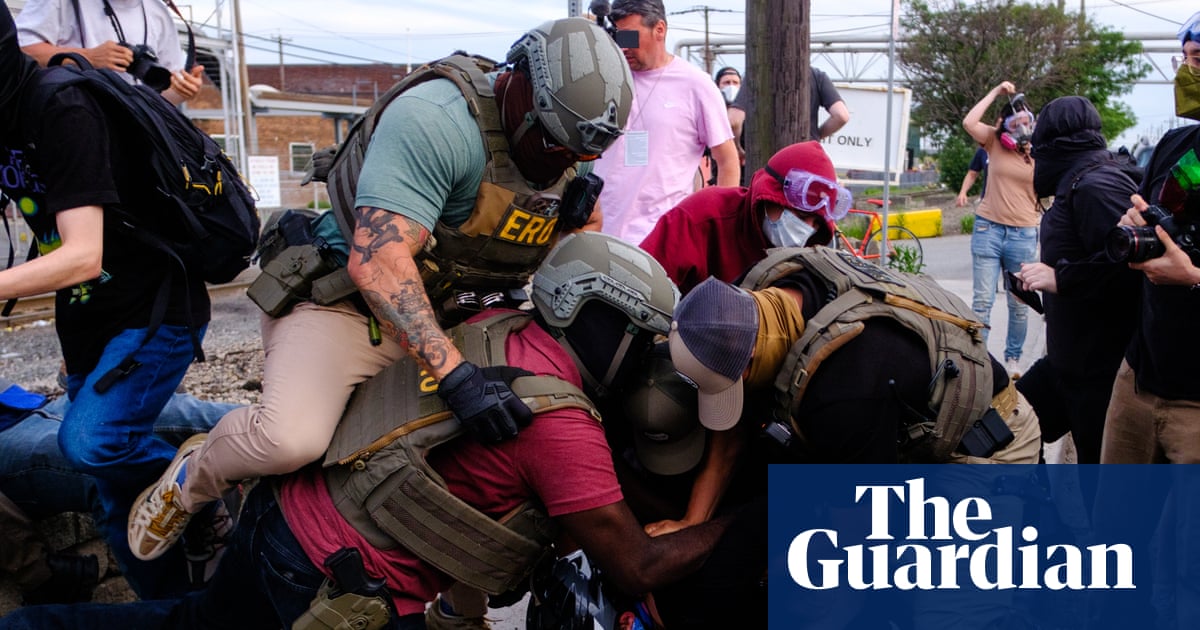
Recent demonstrations outside the facility have turned chaotic, leading to reports of physical confrontations between protesters and law enforcement. The situation reached a critical juncture when public officials, including elected representatives, were caught in the crossfire of civil unrest. These events underscore the volatility of the current immigration climate, where administrative detention policies are being challenged not just in courtrooms, but on the ground in local communities.
The Evolution of Federal Immigration Enforcement
The current unrest is set against a backdrop of shifting federal mandates and aggressive immigration enforcement strategies. In recent months, federal authorities have faced increasing pressure to justify the use of private and county-run facilities for the long-term detention of undocumented immigrants. According to official data provided by the Department of Homeland Security (DHS), the number of individuals held in such facilities remains a significant metric in the broader discussion of border security and interior enforcement.

Critics of these detention practices argue that the facilities often lack the necessary oversight to ensure the safety and dignity of those detained. The “We are not criminals” sentiment frequently echoed by protesters reflects a core legal distinction: immigration detention is civil, not criminal, in nature. This distinction is central to the arguments presented by civil liberties groups who claim that the conditions currently reported in New Jersey violate both internal agency standards and fundamental human rights protocols.
The involvement of high-profile political figures has added a new layer of complexity to the situation. When local leaders and members of Congress are impacted by crowd control measures, it forces a conversation about the limits of law enforcement authority when dealing with peaceful assembly. The incident involving Senator Andy Kim, who reported being affected by pepper spray during a demonstration, serves as a stark illustration of how quickly these encounters can escalate.
Demands for State-Level Oversight and Investigation
In response to the mounting pressure, local municipal leadership has begun to demand greater transparency from state authorities. The Mayor of Newark has been among the most vocal, publicly urging the Governor of New Jersey to empower the state’s Attorney General to launch an immediate, independent investigation into the management and operational practices at the detention facility. This call for a probe reflects a growing consensus among some local officials that federal oversight mechanisms are insufficient.

The legal authority to conduct such investigations typically rests with the state’s executive branch, provided there is a clear nexus to state law or public safety concerns. As noted in the New Jersey Attorney General’s official guidance, state intervention in federal facilities is legally nuanced, often requiring a demonstration that state-level civil or criminal statutes have been violated. The push for an investigation is not merely a political gesture; it is an attempt to establish a permanent record of the conditions within the facility, which could be used in future litigation or policy reform efforts.
For the families of those detained, the uncertainty is compounded by the lack of direct communication and the perceived indifference of the federal system. Advocacy groups continue to provide support, offering guidance on how families can track their loved ones through the ICE Online Detainee Locator System. These resources remain the primary way for the public to monitor the status of individuals caught in the current administrative backlog.
What Happens Next: The Path Toward Resolution
As the hunger strike continues and the public outcry grows, all eyes are on the potential for a formal state investigation. The next major checkpoint will likely be the outcome of the discussions between the Governor’s office and the state Attorney General regarding the scope of a potential probe. If an investigation is authorized, it could set a precedent for how other states interact with federal detention facilities within their borders.
federal court filings regarding the conditions at the facility are expected to be updated in the coming weeks. Legal observers are closely watching for any motions for preliminary injunctions that might force the facility to change its protocols regarding medical care, access to legal counsel, or the handling of peaceful protests. The situation remains fluid, and the impact of these events will likely reverberate through upcoming legislative sessions in both Trenton and Washington, D.C.
We will continue to monitor these developments closely as more information becomes available. If you have been following this story or have insights into the impact of these protests on your local community, we invite you to join the conversation in the comments section below. Your perspectives are an essential part of the global dialogue on migration and human rights.
Worth a look