The frontier of genetic medicine is expanding beyond its first major milestones, as researchers move to apply precision genome editing to a broader range of inherited blood disorders. Following the landmark approval of therapies for sickle cell disease, a large Chinese collaboration has detailed an improved gene editing system designed to treat β-Thalassaemia, a condition closely related to sickle cell anemia.
This new approach aims to refine the precision of genetic modifications, producing more focused changes and reducing the frequency of mistakes during the editing process. By enhancing the accuracy of the tools used to alter DNA, the collaboration seeks to provide a safer and more effective treatment path for those suffering from β-Thalassaemia.
The progress in gene editing for β-Thalassaemia builds upon a pivotal moment in medical history that occurred just over two years ago. On December 8, 2023, the U.S. Food and Drug Administration (FDA) approved the first cell-based gene therapies, Casgevy and Lyfgenia, for the treatment of sickle cell disease (SCD) in patients 12 years and older.
The Foundation: CRISPR-Cas9 and Sickle Cell Disease
To understand the significance of the β-Thalassaemia trials, it is necessary to examine the technology that made them possible. Casgevy, one of the first FDA-approved treatments, utilizes CRISPR-Cas9 (clustered regularly interspaced short palindromic repeats-associated protein 9), a novel genome editing technology that allows scientists to make precise cuts in DNA.
The CRISPR-Cas9 system is derived from a natural immunity mechanism found in bacteria. It employs specially structured guide RNAs that base-pair with a specific targeted DNA sequence. Once the guide RNA finds its match, the Cas9 protein recognizes the structure and cuts the DNA nearby. While this process is naturally used by bacteria to inactivate DNA viruses, scientists have adapted it to treat human genetic mutations.
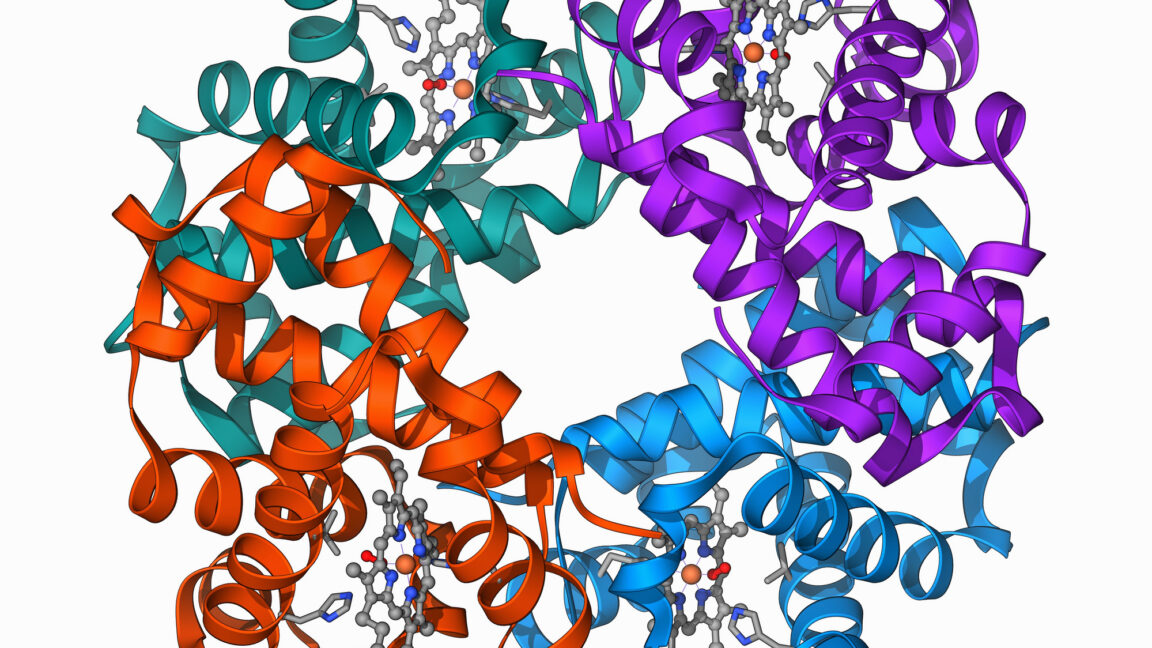
This technology has already shown transformative potential for sickle cell disease, a group of inherited blood disorders that affect approximately 100,000 people in the United States (primarily African Americans and Hispanic Americans). The disease is caused by a mutation in hemoglobin, the protein in red blood cells responsible for delivering oxygen to tissues. This mutation causes cells to take on a crescent or “sickle” shape, which restricts blood flow and leads to severe pain and organ damage known as vaso-occlusive events (VOEs) or vaso-occlusive crises (VOCs) .
Expanding the Reach to β-Thalassaemia
Because β-Thalassaemia is closely related to sickle cell anemia, it represents a logical next step for genome editing research. Both conditions involve mutations that disrupt the production or function of hemoglobin, leading to severe anemia and the necessitate for lifelong medical intervention.

The recent work by the Chinese collaboration focuses on overcoming the inherent limits of early CRISPR systems. While the original CRISPR-Cas9 system is effective, the goal of the improved system is to increase the focus of the changes made to the genome, thereby minimizing “off-target” effects or mistakes that could potentially lead to safety concerns in human patients.
By creating a therapy that addresses β-Thalassaemia with higher precision, researchers are attempting to prove that the success seen in sickle cell treatments can be replicated across other hemoglobinopathies. This shift toward “more focused changes” marks a transition from the first generation of gene editing to a more refined era of molecular medicine.
Key Comparisons in Gene Therapy Approvals
| Therapy Name | Technology Type | Approved Patient Age | Approval Date |
|---|---|---|---|
| Casgevy | CRISPR-Cas9 Genome Editing | 12 years and older | December 8, 2023 |
| Lyfgenia | Cell-based Gene Therapy | 12 years and older | December 8, 2023 |
What Which means for the Future of Genetic Medicine
The ability to treat β-Thalassaemia using an improved version of the CRISPR system suggests that the field is moving toward a “plug-and-play” model for genetic diseases. If the system can be reliably tuned to target different mutations with minimal errors, the scope of treatable hereditary conditions could expand significantly.
For patients, this means a move away from managing symptoms—such as frequent blood transfusions or treating vaso-occlusive crises—and toward a potential one-time curative treatment. The focus on reducing mistakes in the editing process is critical for gaining wider regulatory approval and ensuring long-term patient safety.
As the medical community monitors the results of these improved gene editing systems, the priority remains the verification of long-term efficacy and the elimination of unintended genetic alterations. The successful application of these tools to β-Thalassaemia would further solidify CRISPR-based therapies as a cornerstone of modern hematology.
Researchers continue to analyze the data from these collaborations to determine how these improved systems perform in larger, diverse patient populations. Further updates on the clinical progression of these therapies are expected as trials move through subsequent phases of evaluation.
Do you think gene editing will become the standard of care for all hereditary blood disorders? Share your thoughts in the comments below.
Keep reading