
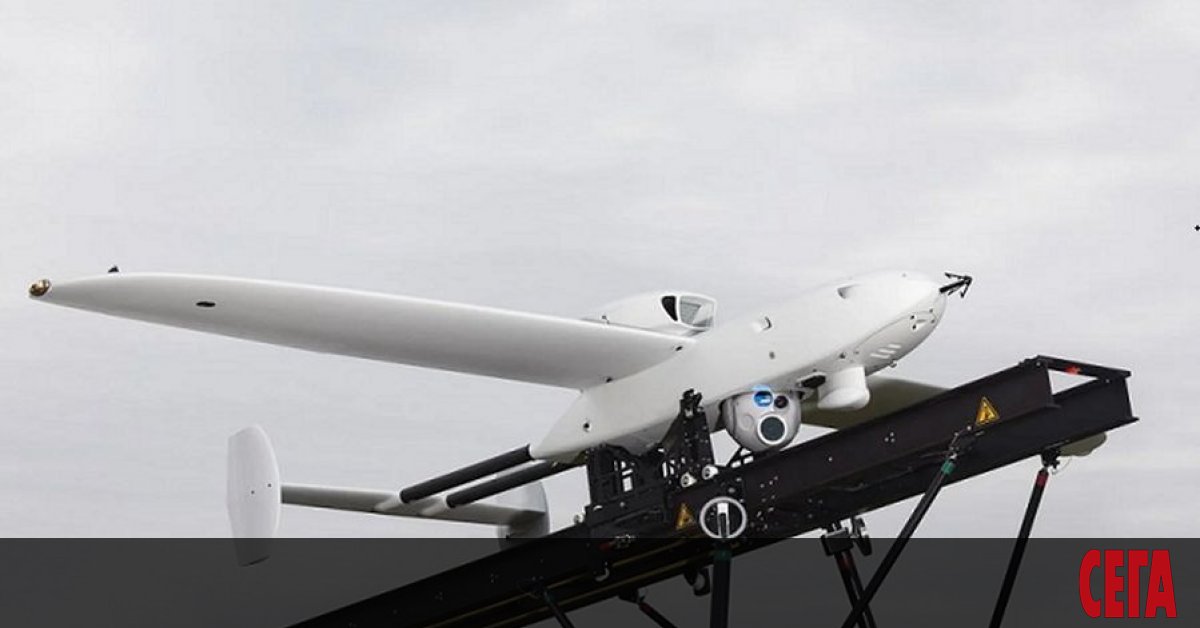
Bulgaria is advancing its defense capabilities with the planned construction of a recent scientific center for the testing of drones and unmanned tactical armored vehicles in the Stara Zagora region. The facility, designed to serve as a hub for defense technologies and dual-use solutions, represents a significant investment in the nation’s military research and development infrastructure.
The project will be spearheaded by the Ministry of Defense’s Defense Institute. According to official schedules for the “Regional Development” program, the initiative is set to receive funding of 30 million euros from the Just Transition Fund. This financial allocation is intended to cover the comprehensive lifecycle of the center’s establishment, including the initial design and construction phases as well as the procurement of specialized technical equipment.
The establishment of this center in Stara Zagora is part of a broader strategic effort to position the region as a center for innovation in defense technology. By focusing on unmanned systems, Bulgaria aims to modernize its tactical approach to mobility and sustainability in the field, while simultaneously developing capabilities to counter aerial threats.
Capabilities of the New Unmanned Testing Facility
The proposed center is described as a multifunctional field testing site. Its primary purpose is to provide a controlled environment where the Bulgarian military and research teams can evaluate the performance and reliability of next-generation autonomous systems. The scope of the center’s operations will be broad, covering both offensive and defensive technologies.

Key areas of focus for the facility include:
- Unmanned Aerial Vehicles (UAVs): Testing the flight performance, endurance, and operational efficiency of various drones.
- Anti-Drone Systems: Evaluating systems designed to detect and neutralize unmanned aerial platforms to protect critical infrastructure and personnel.
- Unmanned Tactical Armored Vehicles: Conducting rigorous trials on the mobility and sustainability of ground-based robotic platforms, ensuring they can operate in diverse and challenging terrains.
This multifaceted approach ensures that the Defense Institute can test the synergy between air and ground unmanned systems, which is increasingly critical in modern conflict environments. The focus on “dual-use” solutions suggests that the research conducted at the center may also have applications in civilian sectors, such as emergency response, search and rescue, and industrial monitoring.
Funding and the Just Transition Framework
The financial backing for the project is tied to the Just Transition Fund, a mechanism designed to support regions transitioning toward a more sustainable and technologically advanced economy. The 30 million euro investment is being distributed through the “Regional Development” program, signaling a shift in how defense infrastructure can be integrated into regional economic growth strategies.
By utilizing these funds, the Bulgarian government is not only enhancing its national security but also stimulating the high-tech sector in the Stara Zagora region. The center is expected to attract specialists in robotics, aerospace engineering, and software development, potentially creating a cluster of innovation that extends beyond the immediate needs of the Ministry of Defense.
Key Takeaways of the Project
- Investment: 30 million euros funded via the Just Transition Fund.
- Lead Agency: The Defense Institute of the Bulgarian Ministry of Defense.
- Location: Stara Zagora region.
- Primary Focus: Testing drones, anti-UAV systems, and unmanned armored vehicles.
- Strategic Goal: Developing defense technologies and dual-use solutions for regional and national security.
Strategic Implications for Regional Defense
The decision to locate the center in the Stara Zagora region is strategic. As the area evolves into a point for the development of defense technologies, the center will provide the necessary empirical data to refine tactical armored vehicles and aerial systems before they are deployed in active service. The emphasis on “mobility and sustainability” for unmanned ground vehicles indicates a focus on long-term operational viability in the field.
the inclusion of anti-drone testing highlights a critical vulnerability in modern defense: the proliferation of small, cheap, and effective UAVs. By developing indigenous capabilities to counter these threats, Bulgaria reduces its reliance on foreign technology and enhances its ability to protect its sovereign airspace.
The project’s emergence was highlighted in a published annual schedule of procedures for the “Regional Development” program, which was subjected to public discussion, ensuring transparency in the allocation of the European funds used for the center’s construction.
The next confirmed step for the project involves the execution of the design and construction phases as outlined in the program’s procedural schedule. We will continue to monitor official filings from the Ministry of Defense and the Regional Development program for updates on the construction timeline.
We invite our readers to share their thoughts on the integration of unmanned systems in national defense in the comments section below.