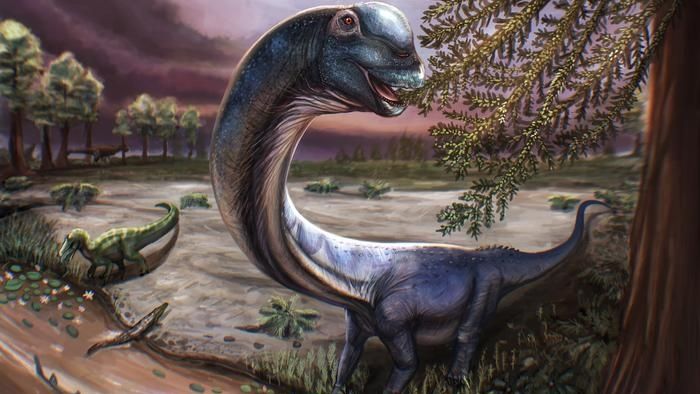
In a significant discovery for paleontology, researchers have identified a new giant dinosaur species in Thailand, shedding light on the prehistoric biodiversity of Southeast Asia. The creature, formally named Nagatitan chaiyaphumensis, is a sauropod—a member of the famous group of long-necked, long-tailed plant-eating dinosaurs that includes well-known species like the Diplodocus and Brontosaurus. This finding marks the 14th dinosaur species to be officially named within Thailand, providing crucial data on the region’s ancient ecosystems during the Early Cretaceous period.
The research, which was published in the journal Scientific Reports on Thursday, May 14, 2026, details how the fossils were initially uncovered at the edge of a pond in the northeastern province of Chaiyaphum approximately a decade ago. By conducting a rigorous analysis of the specimen’s skeletal remains—specifically the spine, rib, pelvis, and leg bones—scientists have been able to estimate the creature’s immense scale. The dinosaur is estimated to have measured 88 feet in length and weighed roughly 54,000 pounds, a mass comparable to nine adult Asian elephants.
Understanding the ‘Last Titan’ of Thailand
The name Nagatitan chaiyaphumensis carries dual historical and geographical significance. The genus name “Naga” refers to the mythological aquatic serpent prevalent in Southeast Asian folklore, while “Titan” draws from Greek mythology to denote the creature’s immense size. The species name, chaiyaphumensis, serves as a permanent tribute to the Chaiyaphum province where the fossils were recovered. Thitiwoot Sethapanichsakul, a Thai PhD student at University College of London and the study’s lead author, explained that the team dubbed the creature the “last titan” because its fossils were extracted from the youngest dinosaur-bearing rock formation in Thailand.
According to the research findings, the environment in this region shifted significantly over time. While the area supported these massive sauropods between 100 and 120 million years ago, geological records indicate that the region eventually transitioned into a shallow sea. This environmental change explains why scientists do not expect to find remains of younger dinosaur species in the local rock strata, making this discovery a vital piece of the puzzle regarding the decline of these giants in the area.
Significance for Southeast Asian Paleontology
The identification of Nagatitan chaiyaphumensis is notable not only for the size of the animal but also for its classification as the first sauropod identified from the Lower Cretaceous Khok Kruat Formation. This discovery highlights the scientific potential of Thailand’s geological sites, which continue to yield evidence of creatures that dominated the landscape millions of years ago. As researchers continue to study the collected bone fragments, including the well-preserved front leg bone, they gain a clearer picture of the anatomical evolution of sauropods in this specific geographic corridor.
For those interested in the broader context of Thai natural history, the study provides a detailed look at how these massive herbivores navigated their environment. The Scientific Reports publication offers the most comprehensive data available to date regarding the morphology and classification of this specific species. Further inquiries regarding the curation of these fossils or upcoming exhibits featuring the remains are typically handled by national academic and cultural institutions in Thailand, which maintain records of the country’s paleontological heritage.
Future Research and Scientific Impact
The discovery of Nagatitan chaiyaphumensis underscores the importance of ongoing field research and international collaboration in the geosciences. As the scientific community continues to analyze the Khok Kruat Formation, additional findings may eventually provide more clarity on the migration patterns and survival strategies of sauropods during the Cretaceous period. For now, the “last titan” stands as a testament to the colossal life forms that once traversed Southeast Asia.

Readers interested in following future developments regarding this species or other paleontological news from the region are encouraged to monitor updates from academic journals and official university press releases. We invite our readers to share their thoughts or questions in the comments section below regarding this remarkable addition to the dinosaur family tree.
Related reading