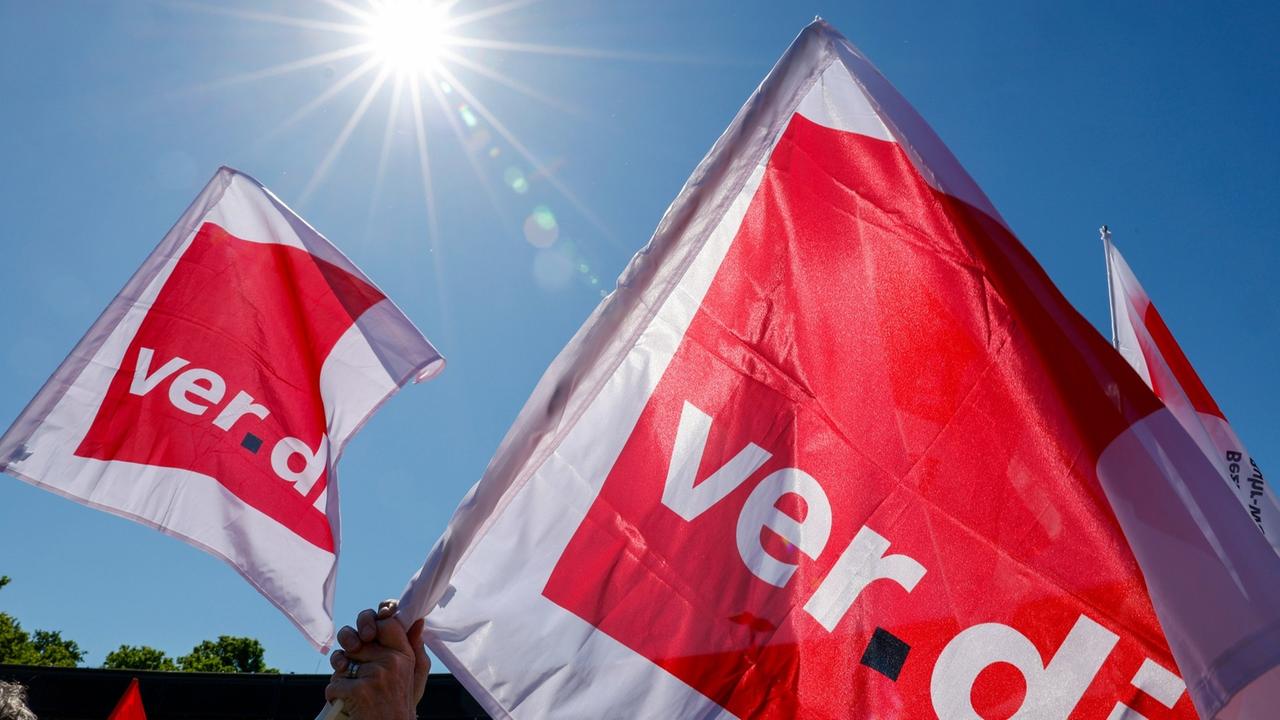
In Germany, the healthcare sector is bracing for significant structural changes as labor unions mobilize against proposed legislative reforms. The service workers’ union, ver.di, has announced a series of coordinated protest actions across several cities, including Ulm, Tübingen, Stuttgart and Karlsruhe, to voice opposition to the federal government’s planned “Law for the Financing of Statutory Health Insurance” (Gesetz zur Finanzierung der gesetzlichen Krankenversicherung). These demonstrations highlight growing anxieties among medical staff regarding the future of hospital funding and working conditions within the public health system.
The proposed legislative framework, aimed at addressing the financial stability of the statutory health insurance system, has triggered widespread concern among healthcare professionals. Union representatives argue that the current trajectory of hospital financing reforms threatens to exacerbate staffing shortages and diminish the quality of patient care. As the debate over the Federal Ministry of Health’s fiscal strategy intensifies, the planned protests in Baden-Württemberg serve as a focal point for broader national discontent regarding the sustainability of the German hospital landscape.
Understanding the Core Concerns of Hospital Staff
At the center of the dispute is the tension between fiscal consolidation and the operational realities of hospitals. The ver.di union, which represents a large portion of the non-physician workforce in German clinics, has consistently argued that the current reform proposals do not sufficiently account for the rising costs of medical inflation and the increasing burden on nursing staff. By organizing regional actions in cities such as Stuttgart and Karlsruhe, the union aims to pressure policymakers to reconsider the impact of funding caps on essential medical services.
According to official policy documentation from the German Bundestag, the legislative process involves complex negotiations regarding how statutory health funds are allocated to regional healthcare providers. Critics of the government’s approach contend that the proposed financial measures may lead to further consolidation or closure of smaller, regional hospitals, which are vital for rural and semi-urban health access. The union’s strategy is to demonstrate that the “Klinikaufstand” (hospital uprising) is not merely a local issue, but a critical challenge to the integrity of the national healthcare infrastructure.
Regional Impact and Mobilization
The decision to hold actions in Ulm, Tübingen, Stuttgart, and Karlsruhe reflects the density of the healthcare sector in Baden-Württemberg. These cities host major university clinics and regional hospitals that serve large populations. The mobilization strategy focuses on highlighting the professional risks faced by nurses, technicians, and administrative staff who are often the first to feel the impact of budget cuts. As these workers prepare for public demonstrations, they are also seeking to inform the public about the long-term consequences of underfunding.
For many employees, the primary concern is the potential for increased work intensity. With the legal framework for hospital financing currently under review, stakeholders are looking toward the Federal Joint Committee (G-BA) for guidance on how quality standards will be maintained amidst financial constraints. The union’s public-facing campaigns emphasize that without a robust financial commitment, the ability to recruit and retain skilled staff will continue to deteriorate.
Key Issues at a Glance
- Budgetary Pressures: Concerns that the new financing law will lead to unsustainable cost-cutting measures in public hospitals.
- Staffing Crisis: The argument that current funding models fail to address the systemic shortage of qualified nursing and support personnel.
- Regional Accessibility: Fears that the centralization of funding will disadvantage smaller, regional hospitals, affecting patient access to care.
- Collective Bargaining: The role of ver.di in leveraging regional protests to influence national legislative negotiations.
The Path Forward: Legislative Deadlines and Public Discourse
As the debate moves forward, the focus remains on the upcoming parliamentary sessions where the specifics of the health financing law will be finalized. The government maintains that the reforms are necessary to ensure the long-term solvency of the insurance system, which faces demographic shifts and rising medical costs. However, the intensity of the opposition from labor unions suggests that the path to implementation will involve significant friction.
For readers and stakeholders, the next major checkpoint will be the subsequent readings of the draft legislation in the Bundestag. Interested parties can monitor official updates through the Federal Ministry of Health’s legislative portal, which provides the most accurate timelines for pending bills and public hearings. As the situation develops, we will continue to provide updates on how these protests influence the final shape of the law and what it means for the future of the hospital sector in Germany.
Have you been affected by the changes in hospital staffing or care availability? We invite our readers to share their perspectives in the comments section below as we continue to track this evolving story.
Related reading