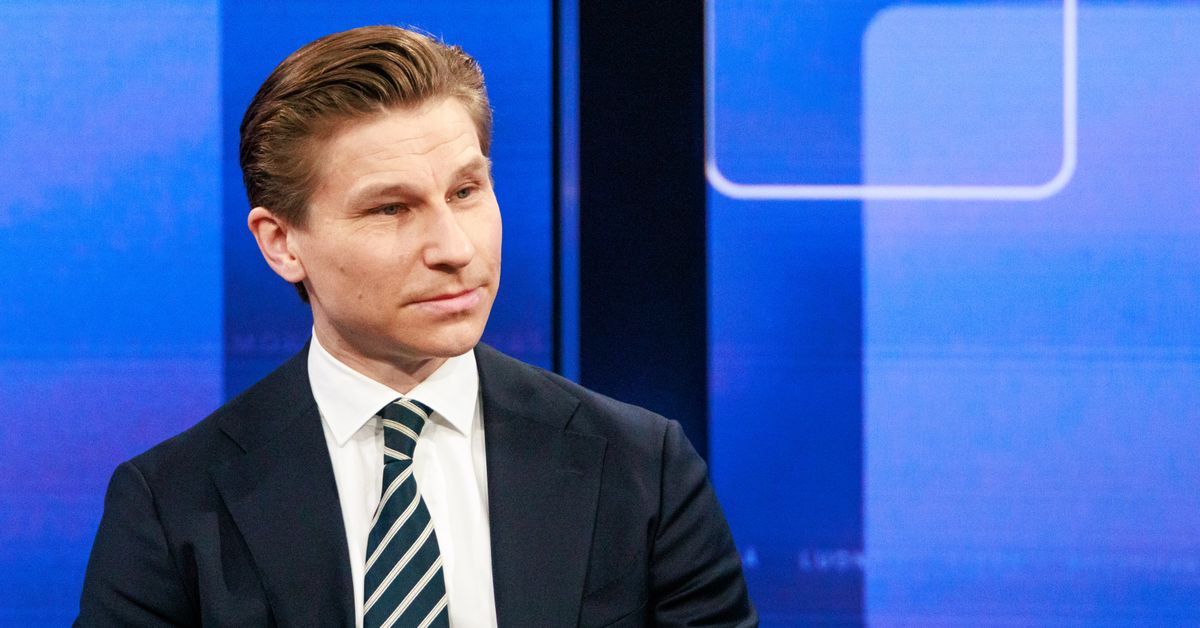
As Europe navigates an increasingly volatile security landscape, the discourse surrounding continental defense autonomy has shifted toward the role of nuclear deterrence. Recent signals from Paris have invited Finland, a relatively new member of the North Atlantic Treaty Organization (NATO), into discussions regarding the French nuclear umbrella. This development represents a significant evolution in European strategic cooperation, as nations look to bolster their collective defense posture in the face of ongoing geopolitical tensions.
The conversation, which gained momentum following Finnish President Alexander Stubb’s discussions with French leadership, centers on how non-nuclear states might more effectively integrate into broader European security frameworks. France, which maintains the only independent nuclear arsenal within the European Union, has long positioned its “force de frappe” as a cornerstone of its sovereign defense, yet there is a growing appetite for a more collaborative approach to nuclear signaling and security guarantees. According to reports from Reuters, the Finnish government has emphasized that while the country’s nuclear policy remains grounded in NATO’s collective deterrent, the value of French strategic dialogue cannot be understated in the current climate.
The Evolution of European Strategic Autonomy
For decades, the concept of European “strategic autonomy”—the ability for the EU to act independently in security matters—was often viewed as a theoretical goal. However, Russia’s full-scale invasion of Ukraine in 2022 served as a catalyst for a radical reassessment of defense priorities. Finland, which shares a 1,340-kilometer border with Russia, officially joined NATO in April 2023, marking a historic end to its long-standing policy of military non-alignment. The North Atlantic Treaty Organization’s expansion has fundamentally altered the security architecture of the Nordic-Baltic region, necessitating closer cooperation between European capitals and the transatlantic alliance.
France’s invitation to Finland to discuss nuclear deterrence is not merely symbolic; it reflects a deepening integration of intelligence, military planning, and strategic communication. While NATO remains the primary vehicle for collective defense, the French initiative suggests a desire to supplement existing frameworks with a distinctively European layer of security. Here’s particularly relevant as European leaders grapple with the uncertainties of the global political cycle and the potential for shifts in American commitment to European defense, a topic frequently debated at forums like the World Economic Forum.
Key Pillars of the French-Finnish Defense Dialogue
To understand the practical implications of this initiative, one must look at the specific mechanisms through which nuclear deterrence functions in a European context. The deterrence is not about the physical transfer of warheads, which remains strictly controlled under French sovereignty, but rather about “extended deterrence”—the political commitment to use such capabilities to protect allies. Experts note that this involves a complex web of:
- Strategic Communication: Ensuring that potential adversaries understand the resolve of the nuclear power and its partners.
- Military Integration: Coordinating conventional forces with nuclear signaling to prevent escalation.
- Political Alignment: Strengthening the consensus among EU member states regarding the role of nuclear weapons as a “peace-keeping” instrument.
As noted by analysts at the European Union Institute for Security Studies, the integration of non-nuclear states into these discussions creates a more cohesive front, reducing the potential for diplomatic fragmentation during crises.
What In other words for the Future of NATO
The prospect of Finland engaging with the French nuclear deterrent raises questions about the balance between EU-led initiatives and NATO’s established protocols. Historically, the United States has provided the primary nuclear umbrella for Europe through NATO’s nuclear sharing arrangements. By introducing a French-led dimension, European states are effectively creating a “dual-track” system. This is intended to be complementary, not competitive, with the U.S.-led alliance.
However, the transition is not without challenges. Critics and cautious observers point to the differing strategic cultures of EU member states. While France advocates for a “Europeanized” defense, other nations—particularly those in Eastern and Northern Europe—remain deeply committed to the traditional NATO-U.S. Alliance, fearing that any move toward an independent EU nuclear policy could weaken the transatlantic bond. The Finnish government has navigated this with precision, maintaining that their primary security guarantee remains the Article 5 collective defense clause of the NATO treaty, while simultaneously deepening bilateral ties with Paris.
Strategic Considerations for Finland
For Finland, the move is a pragmatic extension of its new security reality. By participating in these high-level strategic dialogues, Helsinki ensures that it has a seat at the table when European defense policy is crafted. This is a significant departure from the post-Cold War era, where defense was often a secondary consideration for many European nations. Now, with defense spending across the continent on the rise—many nations hitting the 2% of GDP target—the focus has shifted to the long-term sustainability of these military investments.
The inclusion of Finland in these discussions also serves as a signal to the Kremlin. It demonstrates that the “Nordic-French” axis is serious about regional security and that the deterrent effect is not limited to conventional military hardware but extends to the highest levels of strategic capability. As we look toward the next NATO summit, analysts expect further discussions on how these bilateral and multilateral arrangements can be codified to ensure stability in the Baltic Sea region.
Looking Ahead: Next Steps
The path forward will likely be defined by incremental progress rather than sudden policy shifts. The next major checkpoint for these discussions will be the upcoming defense ministerial meetings within the EU framework, where leaders are expected to refine the “European Defense Industrial Strategy.” These meetings will provide a clearer picture of how France and its partners intend to bridge the gap between national nuclear policies and the broader goal of a unified European security architecture.
For now, the dialogue between Paris and Helsinki remains a high-level strategic engagement. As these discussions move from the halls of government into the practical realm of military exercises and policy alignment, the international community will be watching closely. The success of this initiative will depend on the ability of European leaders to maintain unity while navigating the complex realities of modern nuclear diplomacy.
What are your thoughts on the shifting landscape of European security? Join the conversation by sharing this article or leaving your comments below. We welcome diverse perspectives on how the continent can best navigate these unprecedented security challenges.