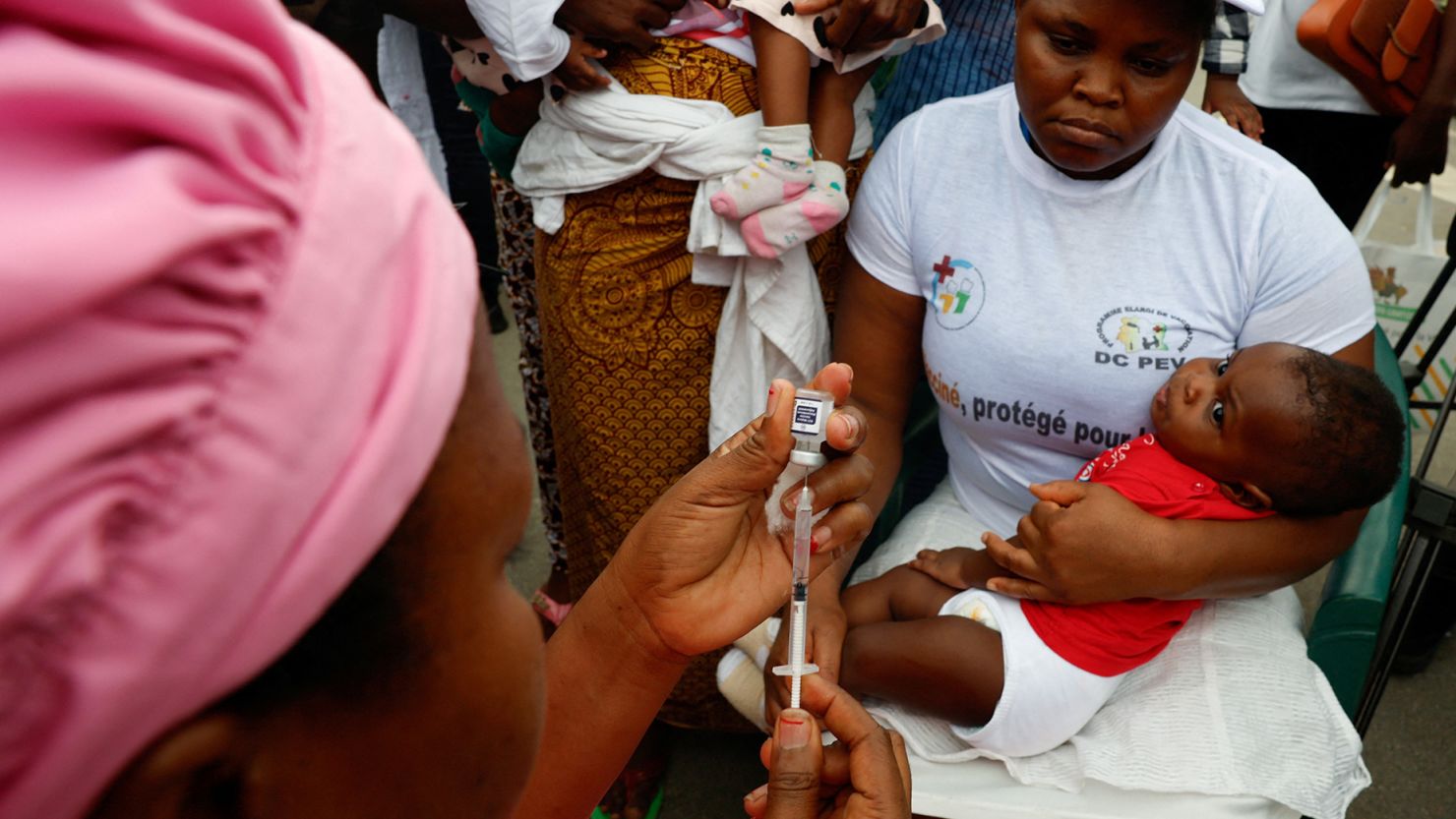
For decades, a critical gap existed in pediatric medicine: there was no evidence-based, approved treatment for the smallest of patients suffering from malaria. While medications existed for older children and adults, newborns and infants weighing less than 5 kilograms were often left with “off-label” prescriptions—doses extrapolated from older children that were not tailored to the unique metabolic needs of a neonate.
That gap has now been closed. In a significant breakthrough for global health, the World Health Organization (WHO) has prequalified the first-ever malaria treatment developed specifically for newborns and young infants weighing between 2 and 5 kilograms. The announcement, timed to coincide with World Malaria Day on April 25, marks a pivotal shift in the effort to reduce infant mortality in malaria-endemic regions.
The new treatment, known as Coartem Baby
, is a specialized formulation of artemether-lumefantrine. Developed through a partnership involving Novartis and the Medicines for Malaria Venture (MMV), the drug was designed to account for the specific physiological and metabolic differences of infants, ensuring that the dose is both safe and effective for those in the most vulnerable weight category.
Closing the ‘Treatment Gap’ for Neonates
The necessity for a dedicated infant formulation stems from the fact that newborns are not simply smaller versions of adults. Their livers and kidneys process medications differently, and their body composition varies significantly. Until now, clinicians treating malaria in babies under 5 kilograms had to rely on imprecise dosing, which carried risks of either under-treating the parasite or causing toxicity.
The development of Coartem Baby was driven by the CALINA study, which tested a new ratio and dose of artemether-lumefantrine specifically for this weight group. According to data released by the Medicines for Malaria Venture, the trial indicated that the new formulation possesses decent efficacy and safety profiles for infants under 5 kg.
The WHO’s prequalification is a vital regulatory step. Prequalification ensures that the medicine meets international standards of quality, safety, and efficacy, allowing United Nations agencies and global funders to purchase and distribute the drug to governments worldwide. According to a WHO statement released on April 24, 2026, this designation is a significant step toward the goal of malaria eradication.
The Path to Distribution in Africa
The rollout of Coartem Baby is expected to be rapid, particularly in the regions most affected by the disease. Novartis received approval for the treatment on July 8, 2025, and the company has indicated plans to introduce the drug on a largely not-for-profit basis to maximize access in low-income areas. Novartis reports that rapid approvals are expected in eight African countries that participated in the clinical trials, facilitated by a special global health scheme managed by the Swiss agency for therapeutic products, Swissmedic.
This strategic distribution is critical given that malaria continues to be a leading cause of death for children under five in sub-Saharan Africa. By providing a safe, standardized treatment for the very first days and months of life, health systems can intervene earlier and more effectively, preventing the progression of the disease into severe malaria, which often leads to anemia or cerebral malaria in infants.
Understanding the Impact: Why This Matters
To understand the weight of this medical milestone, the precarious nature of neonatal health in malaria-endemic zones. Infants are often thought to have some protection from maternal antibodies, but this protection is inconsistent. When an infant does contract malaria, the lack of a tailored drug means the window for successful treatment is dangerously narrow.
The introduction of a weight-specific dose removes the guesswork for healthcare providers. Instead of calculating risky approximations, doctors and nurses can now administer a dose specifically calibrated for a baby weighing between 2 and 5 kg. This precision is the difference between a recovery and a fatal complication.
Key Components of the Breakthrough
- Target Population: Newborns and infants weighing between 2 and 5 kilograms.
- Drug Composition: A tailored ratio of artemether and lumefantrine (Coartem Baby).
- Regulatory Milestone: WHO prequalification announced in April 2026, following initial Swissmedic approval in July 2025.
- Access Model: Distributed on a largely not-for-profit basis to ensure affordability in endemic regions.
The Broader Strategy Against Malaria
The approval of Coartem Baby does not exist in a vacuum; This proves part of a multi-pronged global strategy that includes vaccination and vector control. In recent years, the deployment of malaria vaccines for children has begun to change the landscape of prevention. However, vaccines are not a substitute for treatment. When a child—regardless of age—becomes infected, a reliable cure is the only way to stop the disease.
The WHO’s Global Malaria Programme continues to coordinate these efforts under the “Global technical strategy for malaria 2016–2030.” The addition of a neonatal-specific treatment fills one of the last remaining gaps in the clinical arsenal, ensuring that no patient is “too little” to be treated with a verified, safe medication.
Comparing Treatment Approaches
| Patient Group | Previous Approach | New Standard (Coartem Baby) |
|---|---|---|
| Infants < 5 kg | Off-label dosing extrapolated from older children | Tailored ratio/dose for 2-5 kg infants |
| Children > 5 kg | Standard pediatric artemether-lumefantrine | Standard pediatric artemether-lumefantrine |
| Regulatory Status | No evidence-based infant-specific drug | WHO Prequalified / Swissmedic Approved |
As the global health community moves toward the 2030 goals, the focus is now on the “last mile” of delivery. The challenge shifts from medical innovation to logistics: ensuring that Coartem Baby reaches rural clinics in Africa and Asia where the need is greatest.
The next major checkpoint for the rollout will be the formal adoption of the drug into the national health guidelines of the eight African trial countries, which is expected to occur in the coming months following the WHO’s April 2026 prequalification. This will allow the drug to be integrated into public health budgets and distributed through government channels.
We invite our readers to share their perspectives on global health equity and the challenges of medical distribution in the comments below.