/data/photo/2026/05/26/6a1505b76aa90.jpg)
In the pursuit of exploring the harsh, granular landscapes of the Red Planet, engineers at NASA have increasingly turned toward the natural world for inspiration. A particularly compelling area of study involves biomimicry—the practice of applying biological designs found in nature to solve complex engineering challenges. One of the most fascinating developments in this field is the design of robotic systems capable of traversing loose, shifting surfaces, such as Martian sand dunes, by mimicking the specialized locomotive mechanics of the Sahara sandfish lizard (Scincus scincus).
As we continue to push the boundaries of planetary exploration, the challenge of terrain navigation remains a primary obstacle for mission success. Whether it is the ongoing operations of current rovers or the planning of future missions, ensuring that robotic explorers can effectively maneuver through unpredictable, sandy environments is critical. By observing how desert-dwelling creatures navigate their environment, researchers are developing new methods to prevent rovers from becoming immobilized in soft, fine-grained regolith.
This approach to robotic mobility—often described as “swimming” through granular media—marks a significant shift in how we approach rover design. Rather than relying solely on traditional wheel-based locomotion, which can easily lose traction or sink, newer prototypes are investigating the physics of granular flow. This research is essential for the long-term success of missions like the Artemis program and ongoing robotic exploration efforts, where the ability to traverse diverse lunar and Martian terrains is a prerequisite for scientific discovery.
Biomimicry and the Physics of Granular Media
The Sahara sandfish lizard is a master of its environment, possessing the unique ability to “swim” through sand with remarkable speed and efficiency. Unlike surface-dwelling lizards that might struggle against the resistance of loose grains, the sandfish utilizes a series of undulating body movements that propel it forward while minimizing energy expenditure. This movement is not merely crawling; it is a sophisticated interaction between the creature’s body and the fluid-like behavior of granular materials.

When roboticists study these creatures, they are looking at the mechanics of “thrust” versus “drag” within a medium that behaves both like a solid and a liquid. According to researchers, the key is the lizard’s ability to generate waves of motion that effectively push against the sand grains, allowing it to glide through rather than over the surface. By applying these principles to robotic limbs or specialized tread designs, engineers aim to create rovers that can handle the Mars Exploration challenges that have historically plagued past missions.
These research efforts are part of a broader commitment to advancing space technology. With the current agency budget set at US$24.4 billion for 2026, the development of robust, adaptive technologies is a priority for maintaining the United States’ leadership in aeronautics and space exploration. The goal is to ensure that future hardware is not just faster, but more resilient to the unpredictable nature of extraterrestrial surfaces.
Advancing Mobility for Future Exploration
The transition from biological observation to mechanical application involves rigorous testing in specialized laboratories. Scientists use high-speed cameras and sensors to track how different materials interact with simulated Martian regolith. By iterating on these designs, the team can refine the “swimming” motion to ensure that a rover can regain traction if it begins to slip. This is a vital capability, as communication delays between Earth and Mars mean that rovers must often make autonomous decisions to avoid getting stuck.
Recent missions have demonstrated the importance of this autonomy. For instance, the realignment of agency missions to accelerate delivery underscores the need for hardware that is reliable from the moment it touches down. As NASA continues to pioneer the future of space exploration, the integration of lessons from the Sahara desert into the next generation of rovers serves as a prime example of how scientific discovery on Earth directly fuels our reach into the solar system.
these advancements have implications that extend beyond Mars. As interest grows in utilizing lunar resources—such as the new material research aimed at melting moon rocks—having the ability to traverse the lunar surface with precision becomes even more critical. The technology being developed today will likely form the backbone of the transportation systems used by future astronauts and automated supply missions alike.
Why Terrain Resilience Matters
Why does “swimming” on sand matter for a multi-billion dollar mission? The answer lies in the cost of failure. When a rover becomes immobilized, it can no longer reach high-priority scientific targets, effectively ending its mission prematurely. By incorporating biomimetic designs, engineers can mitigate the risks associated with the loose, unconsolidated soil often found in craters and dune fields.
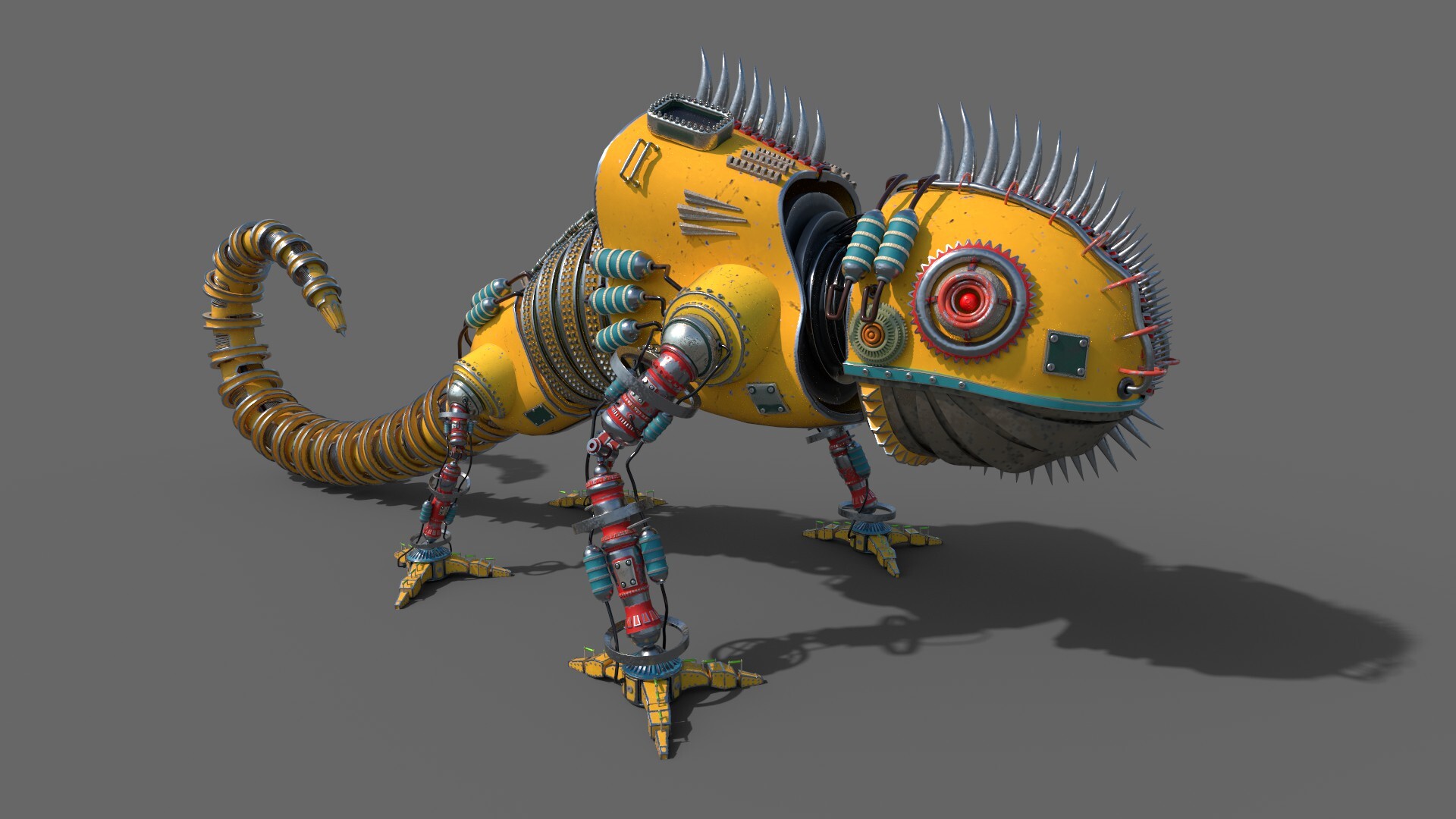
The study of granular media is also a testament to the interdisciplinary nature of modern science. It requires collaboration between biologists, physicists, and mechanical engineers—all working under the umbrella of NASA’s ongoing scientific discovery missions. This collaborative spirit is what allows for the rapid iteration of new technologies, ensuring that the agency remains at the cutting edge of what is possible.
As we look toward the upcoming months, the agency continues to monitor the health and performance of its active fleet. While the specific details of future rover deployments are subject to ongoing mission planning, the lessons learned from the sandfish lizard represent a permanent addition to the toolbox of space robotics. The ability to adapt to the environment, rather than forcing the environment to adapt to the machine, is the hallmark of sophisticated engineering.
Looking Ahead
For those interested in the latest updates on these and other space technologies, official channels remain the best source of verified information. The agency regularly publishes findings from its research initiatives, providing transparency into the development of everything from Artemis mission CubeSats to the maintenance of the International Space Station. As we prepare for the next phase of human and robotic exploration, the solutions to our most difficult problems are often found in the most unexpected places—sometimes right beneath our feet in the shifting sands of our own planet.
We encourage our readers to stay tuned for further updates on these developments. As the agency moves forward with its 2026 initiatives, more data on the performance of these biomimetic designs will likely become available through official mission briefings and scientific journals. Feel free to share your thoughts in the comments section below, and join the conversation on the future of space exploration.
Keep reading