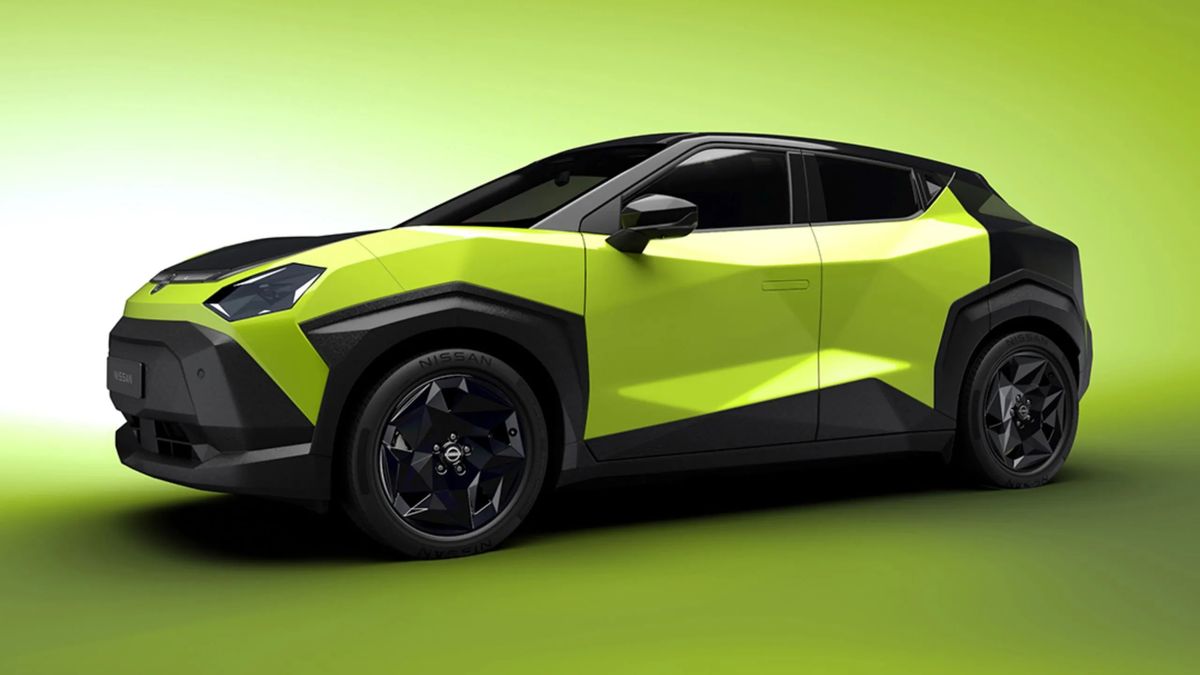
Nissan is redefining its approach to the subcompact crossover segment with the introduction of a new generation of the Juke. Known for its polarizing and unconventional styling since its debut, the model is returning with a design language that leans further into an avant-garde, almost concept-car aesthetic, blending “cubist” elements with a bold, modern silhouette.
The evolution of the third generation Nissan Juke represents a strategic move for the Japanese manufacturer as it seeks to strengthen its presence in the global market, particularly within Europe. By combining a striking visual identity with a shift toward electric propulsion, Nissan is positioning the Juke not just as a utility vehicle, but as a statement piece in the evolving landscape of urban mobility.
This latest iteration marks a significant departure from the more conservative lines seen in recent years, returning to the “wild” and controversial spirit that defined the original model. The integration of electric powertrains signals a broader transition for the brand, aligning the Juke’s quirky personality with the industry’s push toward sustainable technology.
A Return to Bold Design and Cubist Aesthetics
The most immediate change in the new Juke is its exterior. Industry observers describe the vehicle as looking more like a concept car than a production model, featuring a “cubist” design approach that emphasizes sharp angles and a rugged, futuristic stance. This direction is a deliberate nod to the controversy of the first generation, which challenged traditional automotive proportions when it first hit the market.
The design philosophy focuses on a “wilder” appearance, moving away from the softer curves of the second generation to embrace a more aggressive and distinct geometry. This approach is intended to capture the attention of a younger, tech-savvy demographic that views their vehicle as an extension of their personal style.
Historically, the Juke has been defined by its agility and unique positioning. The name itself—derived from the word “jukebox” and the act of “juking” or changing directions with agility—continues to inform the vehicle’s identity via Wikipedia. The third generation doubles down on this identity, ensuring the vehicle remains a standout in the crowded B-segment crossover market.
Electrification and the Shift in Powertrains
Beyond the aesthetics, the third generation of the Juke marks a pivotal shift in how the vehicle is powered. The new model combines its aggressive gaze with electric technology, reflecting Nissan’s commitment to a diversified powertrain strategy. This transition allows the Juke to compete in the rapidly growing electric vehicle (EV) sector while maintaining its status as a compact, maneuverable city car.
This shift is part of a larger pattern for Nissan. While the first generation focused on internal combustion engines—ranging from 1.5L to 1.6L petrol engines and even a 3.8L V6 in the specialized Juke-R via Wikipedia—the new era of the Juke is designed around the requirements of modern urban environments, where emissions regulations and fuel efficiency are paramount.
The move to electric power is not merely about sustainability but also about performance. Electric motors provide the instant torque and responsiveness that complement the Juke’s “agile” branding, providing a driving experience that matches its futuristic exterior.
Strategic Market Positioning and Global Reach
Nissan is utilizing the new Juke as a cornerstone for its return to prominence on the global automotive map. The vehicle is expected to play a critical role in the European market, where subcompact crossovers are highly valued for their balance of utility and compact dimensions.
The history of the Juke’s availability has been fragmented. After the first generation (F15) produced between 2010 and 2019, the second generation saw a withdrawal from most markets outside of Europe and Australasia to make room for the Nissan Kicks via Wikipedia. In the United States, the Juke was eventually discontinued, with official Nissan USA communications stating the vehicle is “no longer in production” and suggesting the 2026 Nissan Kicks as its spiritual successor via Nissan USA.
By introducing a third generation with a bold, electric-focused identity, Nissan is attempting to recapture the “disruptor” status it held over a decade ago. The goal is to create a vehicle that defies expectations and attracts buyers who are tired of the homogenized design of modern SUVs.
Key Evolution of the Juke Series
| Generation | Primary Focus | Market Strategy | Key Characteristics |
|---|---|---|---|
| First (F15) | Innovation & Style | Global Launch | Controversial design, Petrol/Diesel options |
| Second | Refinement & Size | Europe & Australasia | Larger dimensions, CMF-B platform |
| Third | Electrification & Avant-Garde | European Recovery | Cubist design, Electric powertrains |
What This Means for the Consumer
For the consumer, the third generation Juke represents a choice between conformity and character. While many crossovers prioritize maximum interior volume and neutral styling, the Juke continues to prioritize “attitude.” The combination of a concept-like exterior and an electric drivetrain makes it an attractive option for urban dwellers who want a vehicle that is uncomplicated to park but impossible to ignore.

The shift to electric power also removes the complexities of traditional engine maintenance, offering a lower cost of ownership over time. For those who miss the “wild” nature of the original 2010 debut, the new model serves as a reminder that automotive design does not always have to follow a predictable path.
As Nissan continues to roll out its electrification strategy, the Juke stands as a symbol of the brand’s willingness to take risks. Whether the “cubist” look will be as successful as the original’s shock value remains to be seen, but it ensures that the Juke remains one of the most discussed vehicles in its class.
Official updates regarding specific regional release dates and final pricing for the third generation are expected as Nissan continues its rollout across European markets. Stay tuned for further technical specifications as they are released by the manufacturer.
We want to hear from you. Does the new cubist design capture the spirit of the original Juke, or is it too bold for the modern road? Share your thoughts in the comments below.
Keep reading