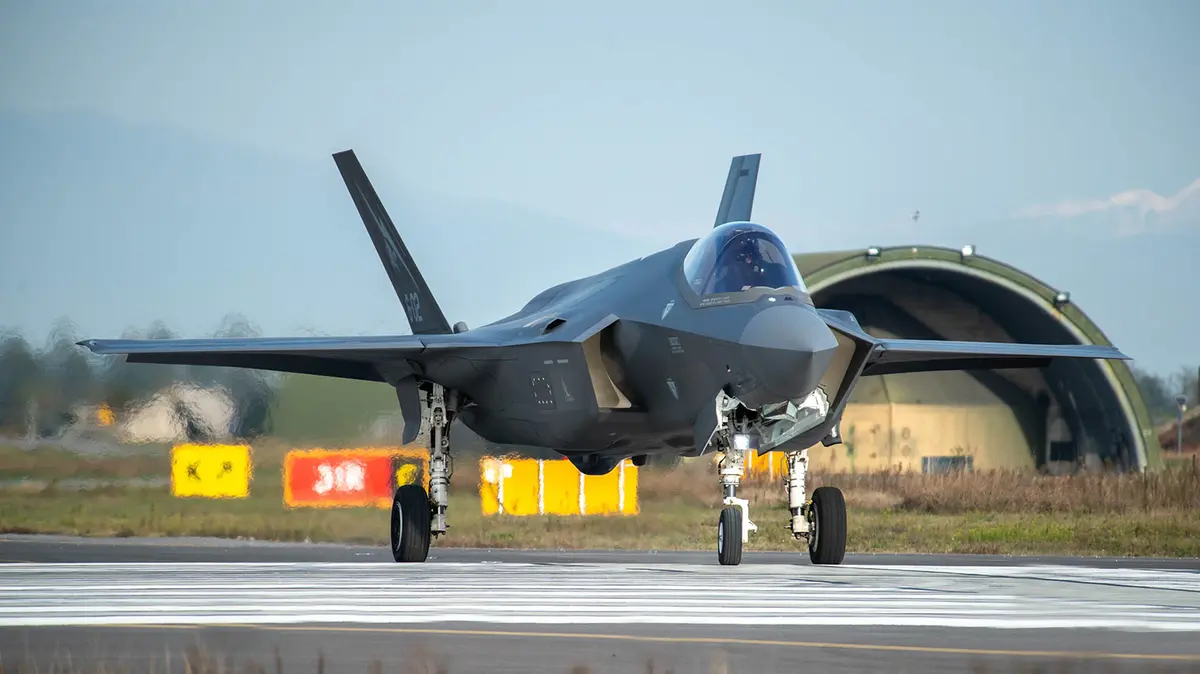
The role of nuclear deterrence in European security has returned to the forefront of international discourse, as NATO member states navigate an increasingly complex geopolitical landscape. Central to this ongoing discussion is the strategic deployment of nuclear assets across the alliance, a policy framework that has long defined the transatlantic security architecture. As nations evaluate their defense postures in response to evolving global threats, the presence and modernization of nuclear capabilities—including those stationed at various air bases across the continent—remain subject to both rigorous scrutiny and official confirmation by alliance leadership.
The modernization of the nuclear shield, particularly regarding the deployment of assets on the alliance’s eastern flank, underscores the continued reliance on the U.S. Nuclear umbrella as a cornerstone of collective defense. While the specifics of these deployments are often shrouded in the operational secrecy necessary for national security, the strategic intent remains clear: to maintain a credible, safe, and effective deterrent against potential aggression. The integration of advanced aircraft and updated tactical capabilities into these sites represents a significant evolution in how NATO manages its shared nuclear burden, ensuring that the alliance remains prepared for contemporary security challenges.
As the international community monitors these developments, the focus remains on the balance between transparency and the necessity of strategic ambiguity. For policymakers and citizens alike, understanding the structural framework of the North Atlantic Treaty Organization is essential to navigating the current climate of global affairs. The alliance, which operates under the principle of collective defense, continues to emphasize that its nuclear forces are a fundamental part of a broader strategy that includes conventional and missile defense capabilities, as detailed in the official NATO nuclear deterrence policy.
The Evolution of NATO’s Nuclear Posture
The foundation of NATO’s nuclear strategy is the principle that as long as nuclear weapons exist, the alliance will remain a nuclear alliance. This policy, periodically reaffirmed by heads of state and government, is designed to preserve peace, prevent coercion, and deter aggression. The deployment of U.S. Nuclear weapons in Europe is a tangible manifestation of this commitment, reflecting the shared risks and responsibilities of the transatlantic partnership. In recent years, the alliance has prioritized the modernization of its dual-capable aircraft, which serve as the delivery systems for these assets, ensuring that they meet the highest standards of safety, security, and precision.
The discussion surrounding specific air bases—such as those in Italy and other member states—frequently highlights the technical and logistical complexity involved in maintaining these sites. These locations are not merely storage facilities; they are active components of a sophisticated defense network that requires ongoing training, infrastructure upgrades, and inter-allied coordination. According to the U.S. Department of State, the United States remains committed to maintaining a credible nuclear deterrent that is capable of addressing the security environment of the 21st century, working closely with allies to ensure that these capabilities are integrated into a cohesive regional strategy.
Strategic Transparency and Global Security
In an era of heightened information warfare and rapid geopolitical shifts, the “semiotics” of nuclear signaling have become a critical area of study for international relations experts. The way in which NATO communicates its nuclear posture is designed to inform adversaries of the alliance’s resolve without escalating tensions unnecessarily. This delicate balance is managed through a combination of official communiqués, ministerial meetings, and the Strategic Concept, which outlines the core tasks and principles guiding the alliance’s future.
The modernization efforts currently underway are not intended to provoke, but rather to replace aging systems with more efficient and capable alternatives. This is a process that has been planned for years, with long-term timelines that allow for extensive consultation among all member states. The goal is to ensure that the nuclear deterrent remains functional and responsive, reflecting the technological advancements that have occurred since the end of the Cold War. By focusing on precision and reduced yield options, the alliance aims to enhance the credibility of its deterrent while minimizing the risks associated with escalation.
A Collective Responsibility
The burden of hosting nuclear assets is shared among a small number of NATO members, a reality that emphasizes the deep level of trust and cooperation required within the alliance. This arrangement is governed by strict protocols that ensure all member states have a voice in the decision-making process regarding nuclear policy. Regular meetings of the Nuclear Planning Group provide a forum for allies to discuss the health and direction of the alliance’s nuclear forces, ensuring that every decision is made with the consensus of the North Atlantic Council.
For those interested in the official stance of the United States on these matters, the White House Briefing Room serves as the primary source for statements from the administration regarding national security policy and international commitments. These official channels provide the most accurate reflection of the current U.S. Position on nuclear proliferation, arms control, and the ongoing support for European security frameworks. As the situation continues to evolve, official updates from government portals remain the most reliable means of tracking changes in policy or deployment status.
Looking Ahead: The Path of Deterrence
The coming months will likely see continued high-level discussions regarding the future of European security, with the role of nuclear deterrence remaining a central theme. As the alliance prepares for upcoming summits, member states will continue to evaluate the effectiveness of their current strategies and make adjustments as necessary to address the changing security landscape. The commitment to a stable and secure Europe remains the primary objective, one that necessitates a constant, vigilant, and unified approach from all NATO members.
We invite our readers to stay informed by following official reports from the North Atlantic Treaty Organization and the relevant government departments of member nations. Understanding the complexities of these strategic arrangements is vital for any informed discussion on global stability. We welcome your perspectives on how the alliance can best balance its deterrent responsibilities with the ongoing pursuit of long-term diplomatic solutions. Please share your thoughts in the comments section below as we continue to cover this evolving story.