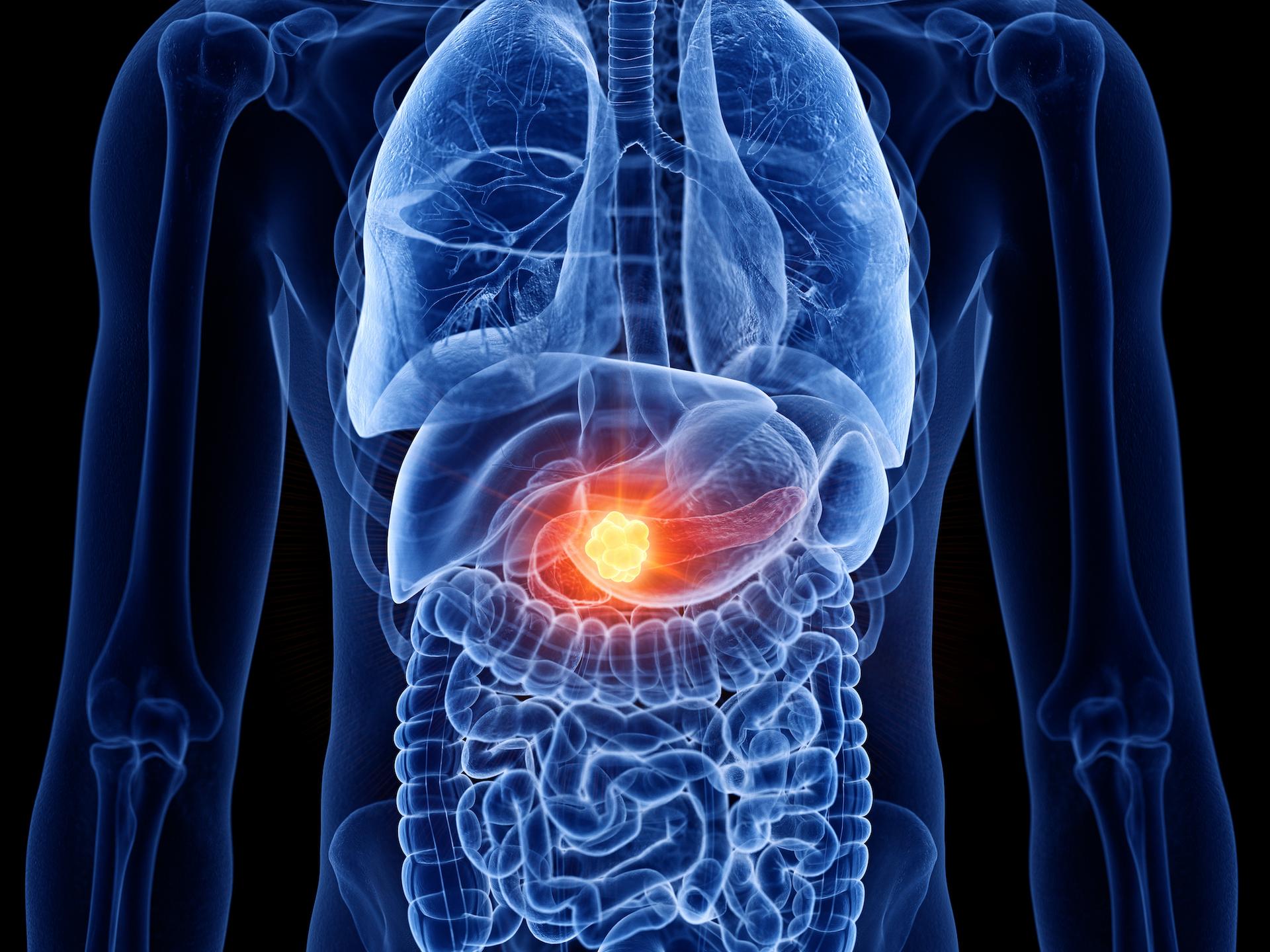
Pancreatic cancer remains one of the most challenging malignancies to treat, with limited options and poor survival rates despite advances in oncology. For decades, standard chemotherapy regimens like FOLFIRINOX and gemcitabine-based therapies have formed the backbone of treatment, yet outcomes remain modest, particularly in advanced stages. Recent developments, although, suggest a shift in the therapeutic landscape, offering cautious optimism for patients and clinicians alike.
According to verified clinical guidance from Canadian cancer authorities, the standard approach to pancreatic cancer chemotherapy involves systemic drugs designed to target rapidly dividing cells, with FOLFIRINOX — a combination of irinotecan, oxaliplatin, fluorouracil (5-FU), and leucovorin — recognized as a primary regimen for patients healthy enough to tolerate intensive treatment. An alternative, gemcitabine combined with nab-paclitaxel, is also widely used, especially in cases where FOLFIRINOX may be too toxic. These regimens are administered not only for metastatic disease but also in neoadjuvant (pre-surgical) and adjuvant (post-surgical) settings to reduce tumor burden and delay recurrence.
Internationally, oncology guidelines emphasize that chemotherapy is not merely palliative but can significantly influence disease progression. As noted by the ARC Foundation for Cancer Research, chemotherapy in pancreatic cancer is systematic — meaning it is considered regardless of whether surgery is performed — and aims to control tumor growth, alleviate symptoms, and extend survival. The foundation highlights that FOLFIRINOX remains the standard protocol in many regions, though treatment selection is increasingly individualized based on tumor biology and patient fitness.
Further reinforcing this, Roswell Park Comprehensive Cancer Center describes chemotherapy as a class of drugs that disrupt the life cycle of rapidly multiplying cells, thereby inhibiting cancer progression. Their materials clarify that while chemotherapy affects both cancerous and healthy cells, its systemic nature allows it to reach micrometastases undetectable by imaging, making it a critical component of multimodal therapy. They also note that emerging approaches like targeted therapy and immunotherapy are reserved for patients with specific molecular profiles, as recommended by the National Comprehensive Cancer Network (NCCN), which advocates tumor profiling to identify eligibility for such precision treatments.
These established frameworks provide context for evaluating modern therapeutic strategies. While no single breakthrough has yet redefined pancreatic cancer care, incremental advances in drug delivery, combination regimens, and patient selection are contributing to gradual improvements in outcomes. Ongoing clinical trials continue to explore ways to enhance the efficacy of existing chemotherapy backbones, including the addition of novel agents designed to modulate the tumor microenvironment or overcome resistance mechanisms.
Importantly, any discussion of emerging treatments must be grounded in verified data. As of the current medical record, no widely accepted therapy has demonstrated a doubling of survival in unselected pancreatic cancer populations beyond what is already achieved with optimized FOLFIRINOX or gemcitabine-nab-paclitaxel regimens. Claims suggesting otherwise require rigorous validation through peer-reviewed, phase III clinical trials before being incorporated into standard practice.
Clinicians stress that managing expectations is vital. Pancreatic cancer’s aggressive biology, late-stage presentation, and complex tumor stroma continue to pose significant hurdles. Nevertheless, multidisciplinary care — integrating medical oncology, surgical expertise, radiology, and supportive services — remains the best approach to improving both survival and quality of life.
For patients and families seeking reliable information, authoritative sources such as the National Cancer Institute, the American Society of Clinical Oncology (ASCO), and peer-reviewed journals like The Lancet Oncology and Journal of Clinical Oncology provide up-to-date, evidence-based guidance. These platforms regularly publish trial results and consensus statements that help clarify which innovations are ready for clinical use and which remain investigational.
Looking ahead, the next critical step in advancing pancreatic cancer treatment lies in the completion and publication of ongoing trials evaluating novel combinations and biomarker-driven strategies. Until such data are available and validated, adherence to established, evidence-based protocols remains the standard of care.
We encourage readers to share their experiences and insights in the comments below and to spread accurate, hope-grounded information by sharing this article with others who may benefit.
Keep reading