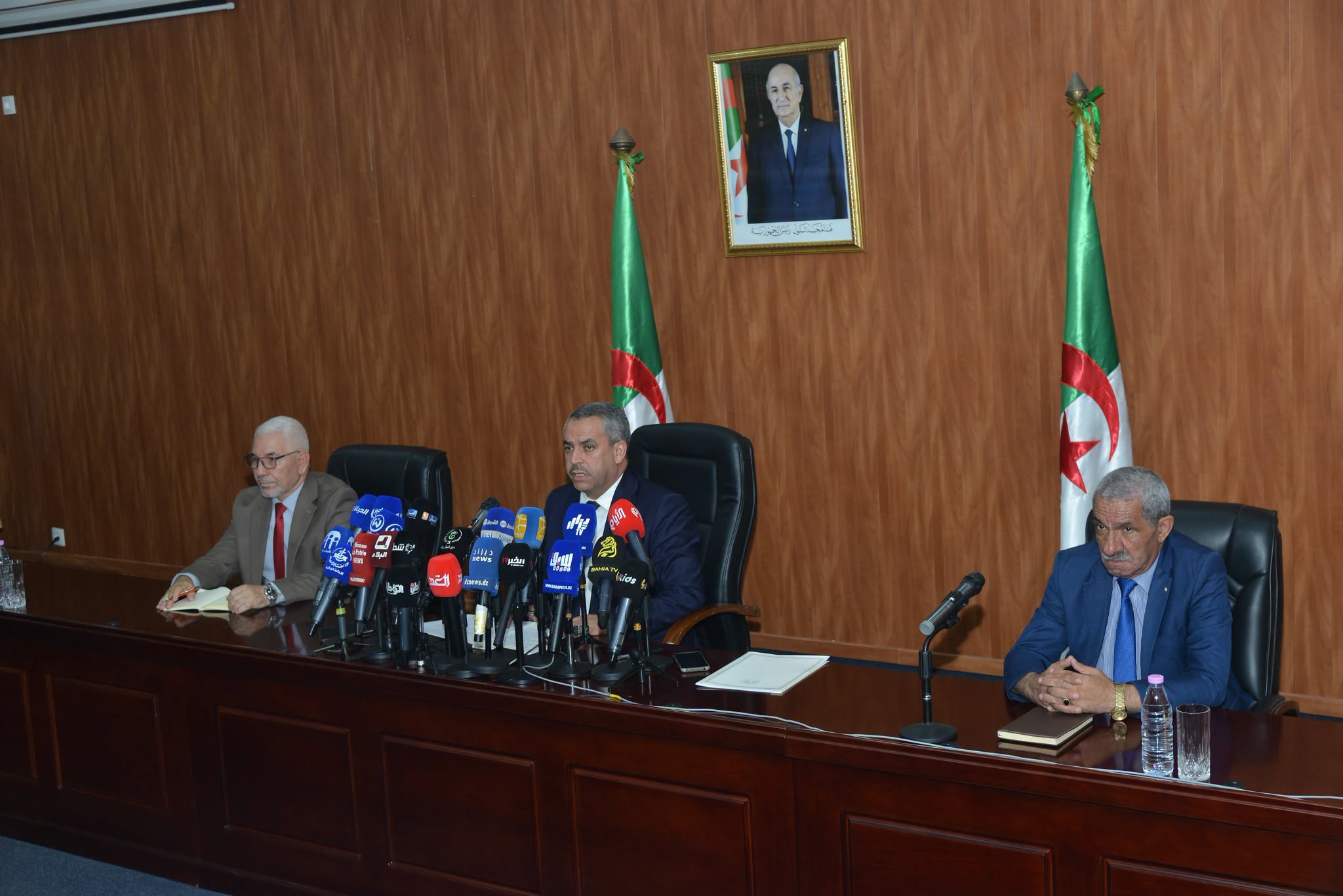
French education authorities have unveiled a comprehensive package of curriculum adjustments and structural reforms for the 2026-2027 academic year, aimed at strengthening foundational learning across primary and secondary institutions. According to announcements from the Ministry of National Education, the upcoming updates focus on modernizing pedagogical approaches, reinforcing core competencies, and providing educators with clearer guidelines for classroom instruction. The measures follow ongoing evaluations of student performance metrics and consultations with teachers’ unions, administrative personnel, and parent associations.
The adjustments arrive as the ministry seeks to streamline the educational journey for millions of students nationwide. Officials emphasized that the 2026-2027 framework incorporates feedback gathered from regional stakeholders over the past year. By targeting specific bottlenecks in literacy and numeracy development, the ministry intends to establish a more uniform standard of academic rigor in classrooms from the earliest primary grades through the completion of secondary schooling.
Stakeholders across the education sector have begun reviewing the official texts released by the ministry to assess how the modifications will impact daily schedules, grading structures, and teacher training programs. While representatives of teaching staff unions have welcomed efforts to reduce administrative burdens, they continue to monitor how resources will be allocated to support schools implementing the new guidelines. Parent groups have similarly stressed the importance of clear communication regarding changes to evaluation methods and homework guidelines.
Core Curriculum Shifts for Primary and Secondary Schools
The pedagogical updates place a renewed emphasis on fundamental skills, specifically targeting reading comprehension and mathematical reasoning during the primary school years. According to ministry documentation, instructional hours dedicated to French language and mathematics will be restructured to ensure students master essential competencies before transitioning to middle school, known in France as the collège.
In secondary education, the adjustments introduce greater flexibility in elective course selections while maintaining mandatory core subjects. Educational advisors note that these modifications are designed to help students better prepare for specialized high school tracks and post-secondary pathways. Schools will receive updated pedagogical toolkits and digital resources to assist teaching teams in adapting their lesson plans to the revised frameworks ahead of the autumn start date.
Teacher Training and Implementation Timelines
To support the rollout of the 2026-2027 pedagogical dispositions, the ministry has scheduled a series of professional development sessions for teachers and school administrators. These training modules will take place during the preceding months, allowing educators to familiarize themselves with updated evaluation criteria and new teaching resources.
Local academic authorities are tasked with organizing regional briefings to address logistical questions from school principals. The ministry has indicated that further circulars detailing specific subject-by-subject guidelines will be published on the official government portal in the coming weeks, providing schools with the necessary documentation to finalize their local project plans for the new term.
The Ministry of National Education will release supplementary implementation decrees and logistical schedules ahead of the autumn term. Educational personnel, parents, and students can monitor the French Ministry of Education official website for ongoing updates, downloadable administrative circulars, and regional meeting calendars.
Keep reading