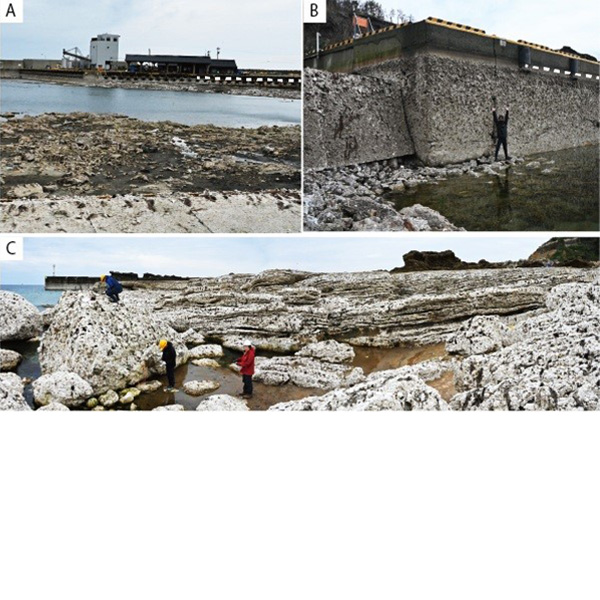
The catastrophic Noto Peninsula earthquake, which struck Japan on January 1, 2024, resulted in significant geological shifts that have provided researchers with a rare, albeit tragic, opportunity to study marine ecosystems. A collaborative research team has documented the profound impact of the seismic event on the coastal biodiversity of the Noto Peninsula, revealing how a massive uplift event can instantaneously reshape intertidal and subtidal zones.
The study, published on February 26, 2026, in the journal Plankton and Benthos Research, details how the 7.6 magnitude earthquake caused an extreme vertical uplift of approximately 3.6 to 3.9 meters in the vicinity of the Kaiso fishing port. This sudden tectonic movement effectively pushed the seabed above the water line, exposing organisms that were previously submerged in the sublittoral zone—areas typically accessible only via specialized diving surveys.
Documenting a Seismically Altered Landscape
Led by a team of experts including Kei Sato of Kanazawa University, Robert Jenkins of Kanazawa University, Kiyonosuke Teruya of the Chiba Prefectural Museum and Institute, and Moe Kato of Kyushu University, the research group initiated field investigations just 66 days after the seismic event. By analyzing the remains of the benthic communities exposed by the uplift, the team was able to reconstruct the pre-earthquake ecological structure with high precision.

The findings offer a granular look at the “living” configuration of these organisms at the time of the earthquake. Because the uplift occurred so rapidly, the biological assemblages were preserved in their original spatial arrangements, providing a unique baseline for understanding the composition of the coastal ecosystem before the disaster. This data is considered crucial for future monitoring, particularly as researchers look to understand how these ecosystems recover in the shadow of both seismic disturbances and the broader, ongoing pressures of global climate change.
The Significance of the Sea of Japan Ecosystem
The Sea of Japan is characterized as a semi-enclosed marginal sea, making it a distinct environment for studying the immediate and long-term impacts of geological phenomena on marine life. The research highlights the fragility of these coastal zones, which are often subjected to significant anthropogenic and natural pressures. By documenting the specific biological impact of the Noto Peninsula earthquake, the researchers have contributed to a global body of knowledge regarding how sudden environmental shocks dictate the trajectory of ecological succession.
The study emphasizes that the data gathered from the Kaiso area serves as a foundational dataset. As Japan and the global scientific community look toward the future of coastal management, these records will be instrumental in tracking the resilience of marine species as they recolonize or adapt to the newly established shoreline topography.
Future Research and Ecological Monitoring
As the scientific community continues to analyze the aftermath of the 2024 seismic event, the focus remains on the long-term recovery processes. The integration of geological data with biological observations, as demonstrated by the Kanazawa University-led team, provides a template for future disaster response and environmental impact assessments. This work underscores the importance of rapid-response field studies following major geophysical events.
For those interested in the ongoing ecological recovery of the Noto Peninsula, further updates and data sets are expected to be shared through official channels associated with the participating institutions and the academic journals involved in the study. Monitoring the recovery of these specific benthic communities will provide essential insights into the stability of coastal marine environments in the face of unpredictable tectonic activity.
We welcome your perspectives on how seismic research is shaping our understanding of coastal resilience. Please share your thoughts in the comments section below or join the conversation by sharing this report with your network.
Related reading
- Maximize Your Travel Benefits: Choosing the Right Credit Card
- Future of Cork’s Bessborough Site: Minister Norma Foley Calls for All Options Explored
- Katabatic Winds, Explained: Why Antarctica Is Earth's Windiest Place (daybreakwire.com)
- 8th University, Woman and Company Awards Honor Female Talent in Seville (world-today-news.com)