
For decades, the prescription for managing hypertension has been remarkably consistent: “Get moving.” Whether it was a brisk walk through the park, a steady swim, or a routine cycle, aerobic activity has long been the cornerstone of cardiovascular health. However, a significant shift is occurring in the scientific community, challenging the long-held assumption that traditional “cardio” is the undisputed champion of blood pressure regulation.
Emerging evidence from large-scale research and comprehensive meta-analyses suggests that a different, perhaps less intuitive, form of movement may actually be more effective at lowering both systolic and diastolic blood pressure. This “new” winner isn’t about distance covered or calories burned through continuous motion, but rather about the power of stillness under tension: isometric exercise training (IET).
As we navigate a global landscape where hypertension remains a leading risk factor for stroke and heart disease, understanding these nuances in exercise science is more than just a fitness trend—it is a vital component of preventative medicine. For those looking to manage their numbers through lifestyle interventions, the distinction between aerobic, resistance, and isometric training could be a game-changer.
The Shift in Cardiovascular Recommendations
While aerobic exercise remains essential for overall heart health and metabolic function, recent high-level clinical reviews have pointed to a surprising hierarchy in blood pressure reduction. According to findings published in the British Journal of Sports Medicine (BJSM), isometric exercises—which involve contracting a muscle without changing its length or moving the joint—consistently outperform both aerobic and traditional dynamic resistance training in reducing blood pressure.
This distinction is critical. For years, the medical community has focused heavily on “steady-state” aerobic exercise. While walking or jogging improves the efficiency of the heart and lungs, the physiological impact on the vascular walls and the immediate reduction of blood pressure may not be as pronounced as the results seen in isometric protocols. The research suggests that the specific type of stress placed on the circulatory system during an isometric hold triggers a unique and highly effective compensatory response.
The efficacy of these exercises is particularly notable in individuals with pre-hypertension or established hypertension. The ability to achieve significant reductions in blood pressure through relatively short, time-efficient sessions offers a compelling alternative for patients who struggle with the time commitments or physical demands of long-duration aerobic workouts.
Isometric vs. Aerobic: A Comparative Look
To understand why isometric exercise is taking center stage, it is necessary to compare how different modalities affect the cardiovascular system. Each type of exercise serves a distinct purpose, but their impact on blood pressure regulation varies significantly.

Aerobic Exercise (Endurance Training)
Activities such as running, cycling, and swimming are characterized by rhythmic, continuous movement. These exercises increase the heart rate and demand more oxygen, improving the heart’s stroke volume and overall aerobic capacity. While excellent for long-term cardiovascular health and weight management, the acute effect on blood pressure reduction is often more gradual compared to isometric training.
Dynamic Resistance Training (Weightlifting)
Traditional weightlifting involves moving a weight through a range of motion (e.g., a bicep curl or a squat). This builds muscular strength and bone density. While it provides cardiovascular benefits, the fluctuating nature of the movement and the intense, short-lived spikes in blood pressure during heavy lifts can make it less targeted for pure blood pressure reduction than isometric holds.
Isometric Exercise Training (IET)
Isometric training involves holding a position against resistance. Common examples include a “wall sit” (holding a squat position against a wall) or a plank. During these holds, the muscles are under constant tension, which temporarily restricts blood flow to the muscle tissue. When the hold is released, there is a rapid increase in blood flow, a phenomenon that appears to stimulate significant vascular adaptations.
The superior performance of IET in blood pressure reduction is believed to be linked to this “pressor response.” The temporary occlusion of blood flow followed by reperfusion may improve endothelial function—the ability of the blood vessels to dilate and contract—thereby reducing systemic vascular resistance and, blood pressure.
Why It Works: The Physiology of the “Hold”
The biological mechanism behind this effectiveness is a subject of intense study. When you engage in an isometric hold, your muscles contract so intensely that they compress the local capillaries, momentarily reducing blood flow to that specific area. This creates a state of transient ischemia.
Once the contraction is released, the body responds with a surge of blood flow to the area. This process is thought to trigger the release of nitric oxide, a potent vasodilator that helps relax and widen the blood vessels. Over time, repeated exposure to this cycle of tension and release may “train” the arteries to be more flexible and efficient, leading to more permanent reductions in both systolic (the pressure when the heart beats) and diastolic (the pressure when the heart rests) blood pressure.
How to Implement Isometric Training Safely
The beauty of isometric exercise lies in its simplicity and accessibility. You do not need a gym membership or expensive equipment to perform these movements. However, because these exercises involve intense muscle contraction, they must be approached with caution, particularly for those already diagnosed with hypertension.
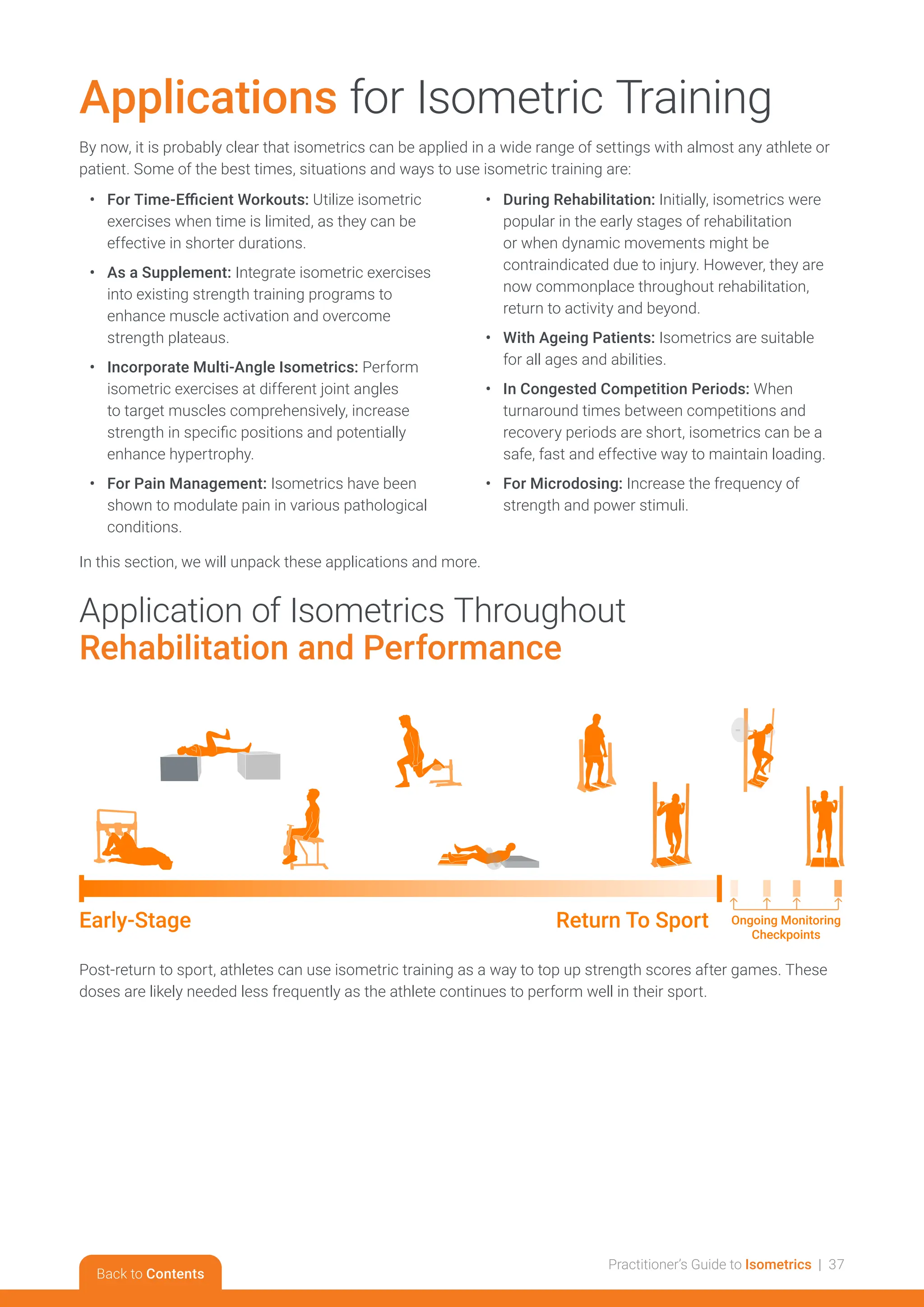
For most individuals, the “gold standard” of isometric training is the wall sit. To perform this, lean your back against a flat wall and slide down until your thighs are parallel to the floor, as if sitting in an invisible chair. Hold this position for a predetermined amount of time, focusing on maintaining steady, controlled breathing.
Other effective isometric moves include:
- The Plank: Holding a push-up position while resting on your forearms, keeping your body in a straight line.
- Glute Bridges (Isometric Hold): Lying on your back with knees bent and lifting your hips, then holding that elevated position.
- Static Lunges: Holding a lunge position without moving up or down.
A Critical Safety Warning: The Valsalva Maneuver
A common mistake during isometric holds is holding one’s breath. This represents known as the Valsalva maneuver, and it can cause a dangerous, rapid spike in blood pressure. When performing any isometric exercise, it is imperative to maintain rhythmic, deep breathing. If you find yourself unable to breathe while holding a position, the intensity is too high, and you should reduce the effort.
As with any new exercise regimen, it is vital to consult with a healthcare professional before beginning, especially if you are currently taking medication for blood pressure or have underlying cardiovascular conditions. The American Heart Association emphasizes that exercise should be a supervised component of a broader hypertension management plan.
Key Takeaways for Blood Pressure Management
If you are looking to integrate these findings into your daily life, consider these summarized points:
- Prioritize Isometrics: While aerobic exercise is great for general health, isometric holds (like wall sits) are more effective for specifically lowering blood pressure.
- Focus on Consistency: Like all medical interventions, the benefits of exercise are cumulative. Regular, short sessions are more effective than sporadic, intense ones.
- Breathe Through the Tension: Never hold your breath during an isometric hold; continuous breathing is essential to prevent dangerous pressure spikes.
- Combine Modalities: The ideal regimen likely includes a mix of aerobic activity for heart health and isometric training for blood pressure regulation.
- Medical Supervision is Mandatory: Always discuss new high-intensity or isometric protocols with your doctor to ensure they are safe for your specific cardiovascular profile.
Frequently Asked Questions
How long should an isometric hold last?
While individual protocols vary, many studies suggest that holding a position for 2 minutes, repeated in several sets, can be effective. However, you should start with much shorter durations (e.g., 10–30 seconds) to build tolerance and ensure you can maintain proper breathing.
Is isometric exercise better than walking for blood pressure?
According to recent meta-analyses, isometric exercise has shown a greater capacity for reducing blood pressure numbers than aerobic walking. However, walking remains highly beneficial for weight management and overall cardiovascular endurance. A balanced approach is best.

Can I do isometric exercises at home?
Yes. Most effective isometric exercises, such as wall sits and planks, require no equipment and can be performed in a very small space, making them ideal for home routines.
Will isometric exercise help me lose weight?
Isometric exercise is primarily focused on vascular and muscular tension rather than high caloric expenditure. While it can help with muscle toning, it is not a substitute for aerobic exercise or caloric management if weight loss is your primary goal.
As medical research continues to refine our understanding of the relationship between movement and vascular health, the “silent killer” of hypertension may become increasingly manageable through these targeted, science-backed interventions. We will continue to monitor official clinical guidelines and upcoming studies for updates on cardiovascular exercise recommendations.
Do you have questions about implementing new exercise routines? Have you experienced the benefits of isometric training? Share your thoughts and questions in the comments below, and please share this article with anyone looking to take control of their cardiovascular health.
Keep reading
- The Best Type of Exercise to Reverse Aging and Stay Young, According to Leading Researchers
- Why Cony Capelli Revealed Her First Pregnancy on “Fiebre de Baile
- Phil Collins Reveals Near-Fatal Organ Failure After Years of Alcohol Abuse (time.news)
- Virginia Tech Study Reveals New Patterns in Storm Surge Behavior (newsdirectory3.com)