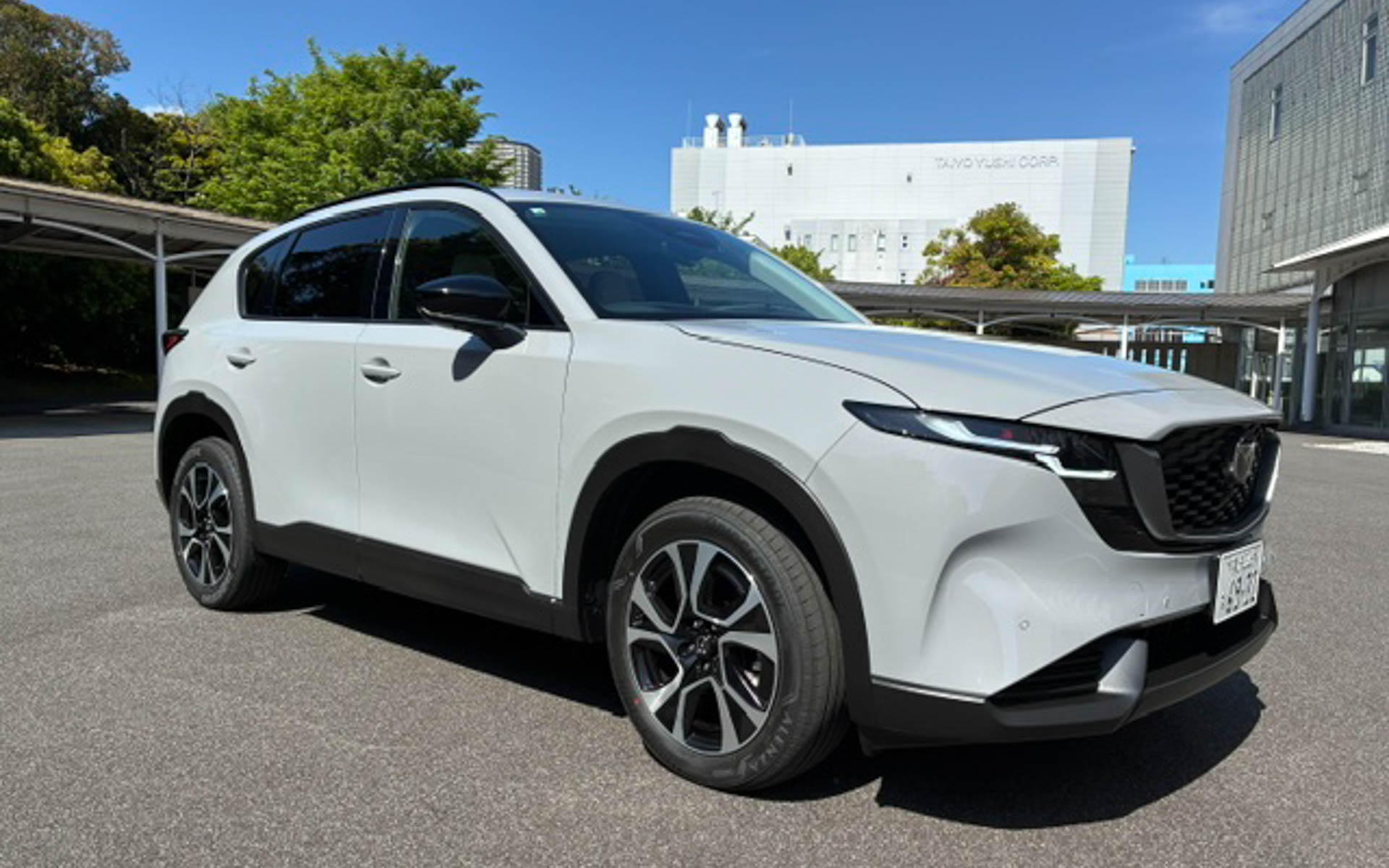
LONDON — Mazda Motor Corporation has reached a defining crossroads in its mid-term product strategy. With the unveiling of the third-generation CX-5, the automaker is not merely refreshing its most successful flagship SUV; it is fundamentally recalibrating its powertrain philosophy to align with a rapidly electrifying global market. This latest iteration of the CX-5 represents a significant departure from the mechanical traditions that defined the brand for the last decade, most notably through a controversial decision to phase out diesel engines in the domestic Japanese market.
For investors and automotive analysts, the move signals a high-stakes transition. The CX-5 has long been the bedrock of Mazda’s revenue stream, serving as the primary driver of its global margins. As the company moves away from the high-torque diesel engines that were once a staple of its “Skyactiv” era, it is betting heavily on a “multi-solution” approach—prioritizing hybrid technology and advanced electrification to maintain its competitive edge in the premium crossover segment.
This strategic realignment comes nine years after the previous generation redefined the brand’s presence in the compact SUV class. While the previous model focused on the marriage of driving dynamics and diesel efficiency, the third-generation CX-5 is designed to address the modern consumer’s demand for seamless electrification, enhanced cabin ergonomics, and a more sophisticated digital interface. The implications of this shift extend far beyond the showroom floor, impacting everything from regional market compositions to the secondary resale values of existing inventory.
The Strategic Pivot: Electrification Over Diesel
The most striking aspect of the new CX-5’s technical specifications is the absence of the diesel powertrain in Japan. For years, Mazda’s Skyactiv-D technology was a hallmark of the brand, offering a compelling balance of torque and fuel economy that resonated deeply with long-distance drivers. However, the decision to retire this option in the domestic market marks a definitive shift in Mazda’s engineering priorities.

Industry analysts suggest that this move is driven by a convergence of regulatory pressure and technological evolution. As global emissions standards tighten, the R&D costs associated with maintaining highly efficient diesel engines have become increasingly challenging to justify when compared to the rapid advancements in hybrid electric vehicle (HEV) and plug-in hybrid (PHEV) architectures. By pivoting toward a hybrid-centric lineup, Mazda is positioning itself to meet stringent environmental mandates while catering to a consumer base that is increasingly wary of diesel’s long-term viability and environmental footprint.
This transition is not without its risks. Diesel engines provided a specific type of performance—low-end torque—that appealed to a loyal segment of the CX-5’s customer base. To mitigate the loss of this driving character, Mazda appears to be leaning into its enhanced hybrid systems, aiming to deliver a “linear” and responsive power delivery that mimics the traditional combustion experience while providing the efficiency gains of electrification.
Engineering the Human Experience: Interior and Space
Beyond the powertrain, the third-generation CX-5 addresses long-standing criticisms regarding its interior architecture. A major focus of this full model change has been the refinement of the “Human Centric” design philosophy, which aims to reduce driver cognitive load and improve physical comfort during long journeys.

The most notable evolution is found in the dashboard and cockpit layout. Moving away from the more utilitarian designs of the previous decade, the new CX-5 features a more integrated, premium-feeling interface. The digital integration is more seamless, with larger, higher-resolution displays that are positioned more intuitively within the driver’s line of sight. This evolution is intended to compete more directly with luxury-leaning crossovers, elevating the CX-5 from a mainstream option to a more aspirational product.
Addressing the Rear-Seat Challenge
One of the perennial critiques of the previous CX-5 generation was the perceived limitation of rear-seat passenger space. While the vehicle was praised for its driver-centric cockpit, the rear cabin occasionally felt cramped for larger families or those frequently transporting adult passengers.
The third-generation model has undergone a significant structural redesign to maximize interior volume. By optimizing the packaging of the new hybrid components and refining the vehicle’s floor architecture, Mazda engineers have successfully increased the legroom and shoulder room in the rear. This improvement is crucial for the CX-5’s continued dominance in the family-oriented SUV segment, where space efficiency is a primary deciding factor for consumers.
Global Market Dynamics: The European Factor
While the Japanese market is seeing a decisive move away from diesel, Mazda’s global strategy remains nuanced. The company continues to navigate a fragmented international landscape where consumer preferences and regulatory environments vary wildly. In Europe, where diesel has historically held a more significant market share due to highway driving patterns, the transition is occurring at a different tempo.

Mazda’s ability to maintain strong performance in Europe while simultaneously pivoting in Japan suggests a sophisticated, region-specific approach to product lifecycle management. The company is carefully balancing the rollout of new electrified platforms to ensure they do not leave a vacuum in markets where diesel remains a viable, albeit shrinking, option. This dual-track strategy is essential for maintaining the global volume necessary to fund Mazda’s ambitious transition toward a more electrified future.
Market Outlook and Resale Implications
For current owners of the second-generation CX-5, the launch of this third-generation model raises inevitable questions regarding resale value. Historically, the introduction of a full model change can lead to a depreciation spike in the outgoing model. However, the specific nature of this change—a shift in powertrain technology—may create a unique market dynamic.
As diesel becomes less prevalent in new vehicle lineups, the demand for high-quality, well-maintained used diesel vehicles may stabilize among a niche group of enthusiasts and long-distance commuters. Conversely, the rapid advancement of hybrid technology could accelerate the depreciation of older, purely internal combustion models. Prospective buyers should monitor the secondary market closely as the new CX-5 begins to saturate the new-car market, as the “grace period” for the previous generation’s value will likely depend on the speed of hybrid adoption in the used car sector.
Key Takeaways
- Powertrain Shift: Mazda is phasing out diesel in the Japanese market to prioritize hybrid and electrified technologies.
- Interior Evolution: The third-generation CX-5 features a redesigned dashboard and significantly improved rear-seat space to address previous criticisms.
- Strategic Decoupling: Mazda is employing a region-specific strategy, managing the diesel-to-hybrid transition differently in Japan versus Europe.
- Market Positioning: The new model aims to move the CX-5 further into the premium crossover segment through enhanced materials and digital integration.
As the automotive industry enters this era of rapid transformation, Mazda’s success with the third-generation CX-5 will serve as a bellwether for how mid-sized manufacturers can successfully navigate the transition from internal combustion to electrified mobility without losing their brand identity.
We will continue to monitor Mazda’s official filings and upcoming regional product launches for further updates on powertrain availability and global sales performance.
What do you think of Mazda’s decision to move away from diesel in Japan? Will the improved interior space be enough to keep the CX-5 at the top of its class? Share your thoughts in the comments below and share this article with your network.
Worth a look