
For many travelers, a road trip through Europe represents the pinnacle of leisure, yet for some, the dream of an Italian getaway can quickly devolve into a complex legal and financial ordeal. Recent reports of vehicle thefts involving high-end automobiles in Italy have highlighted a growing tension between vehicle owners and insurance providers, specifically regarding the denial of claims following the theft of personal property from parked cars.
When a vehicle is broken into, the immediate stress of the crime is often compounded by the realization that insurance coverage may not be as comprehensive as a policyholder initially believed. Understanding the nuances of international travel insurance and vehicle protection policies is essential for those planning cross-border journeys, as the fine print often dictates whether a claim for stolen goods will be honored or rejected by an insurer.
The Complexity of International Insurance Claims
The core of the issue often lies in the distinction between comprehensive vehicle insurance and personal property coverage. Many standard automobile insurance policies are designed to cover damage to the vehicle itself, but they frequently exclude or place strict limitations on personal items left inside the cabin. When travelers report a vehicle break-in, insurers typically investigate whether the vehicle was locked, whether the items were visible to passersby, and if the owner exercised “due diligence” in securing their belongings.
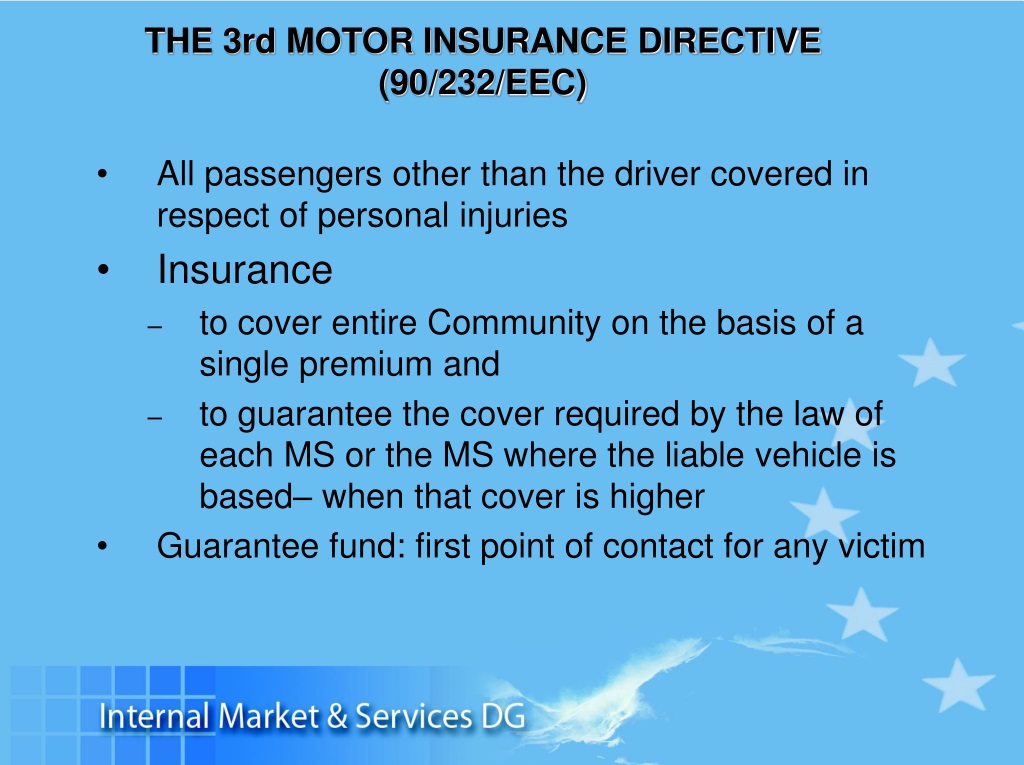
In the European Union, insurance regulations are governed by a combination of national laws and overarching directives, such as the Motor Insurance Directive, which ensures that victims of road accidents are protected. However, these directives primarily focus on liability and basic coverage rather than the theft of personal effects. Disputes over stolen luggage or electronics are often treated as contractual matters between the policyholder and the insurer, subject to the specific terms and conditions of the individual policy.
Best Practices for Protecting Your Assets Abroad
To mitigate the risk of financial loss, experts advise travelers to review their insurance policies thoroughly before departure. It is critical to determine whether a policy includes “new for old” replacement terms and if there are specific requirements for reporting crimes to local authorities. In Italy, for instance, it is mandatory to file a formal report—known as a denuncia—with the Polizia di Stato or the Carabinieri to initiate any insurance claim process.
- Document Everything: Maintain an inventory of high-value items, including serial numbers and photographs, prior to your trip.
- Understand Exclusions: Check if your policy excludes items left in an “unattended vehicle,” a common clause that insurers use to deny claims.
- Secure Parking: Whenever possible, utilize secure, monitored parking garages rather than street parking, especially in tourist-heavy urban centers.
- Report Promptly: Ensure you obtain a copy of the police report immediately, as this document is the primary evidence required by insurance adjusters.
Why Policy Transparency Matters
The gap between consumer expectation and contractual reality often stems from a lack of clarity during the purchase phase. Many travelers assume that their premium covers all eventualities, failing to account for the specific geographical or situational exclusions that may apply when traveling abroad. As the European market for travel insurance continues to evolve, consumer advocacy groups are increasingly calling for standardized, easy-to-read policy summaries that highlight these critical “traps” for the unwary traveler.

For those currently involved in a dispute with their insurer, the next step often involves seeking guidance from a national ombudsman or a legal advisor specializing in insurance law. In the event of a denied claim, policyholders should review the European Consumer Centre (ECC) guidelines, which provide resources for resolving cross-border disputes and understanding your rights as a consumer within the European Economic Area.
As the summer travel season approaches, staying informed and prepared is the best defense against unforeseen costs. We encourage our readers to share their experiences or questions regarding international insurance policies in the comments section below, as community insights remain a vital tool for navigating these complex financial landscapes.
Worth a look