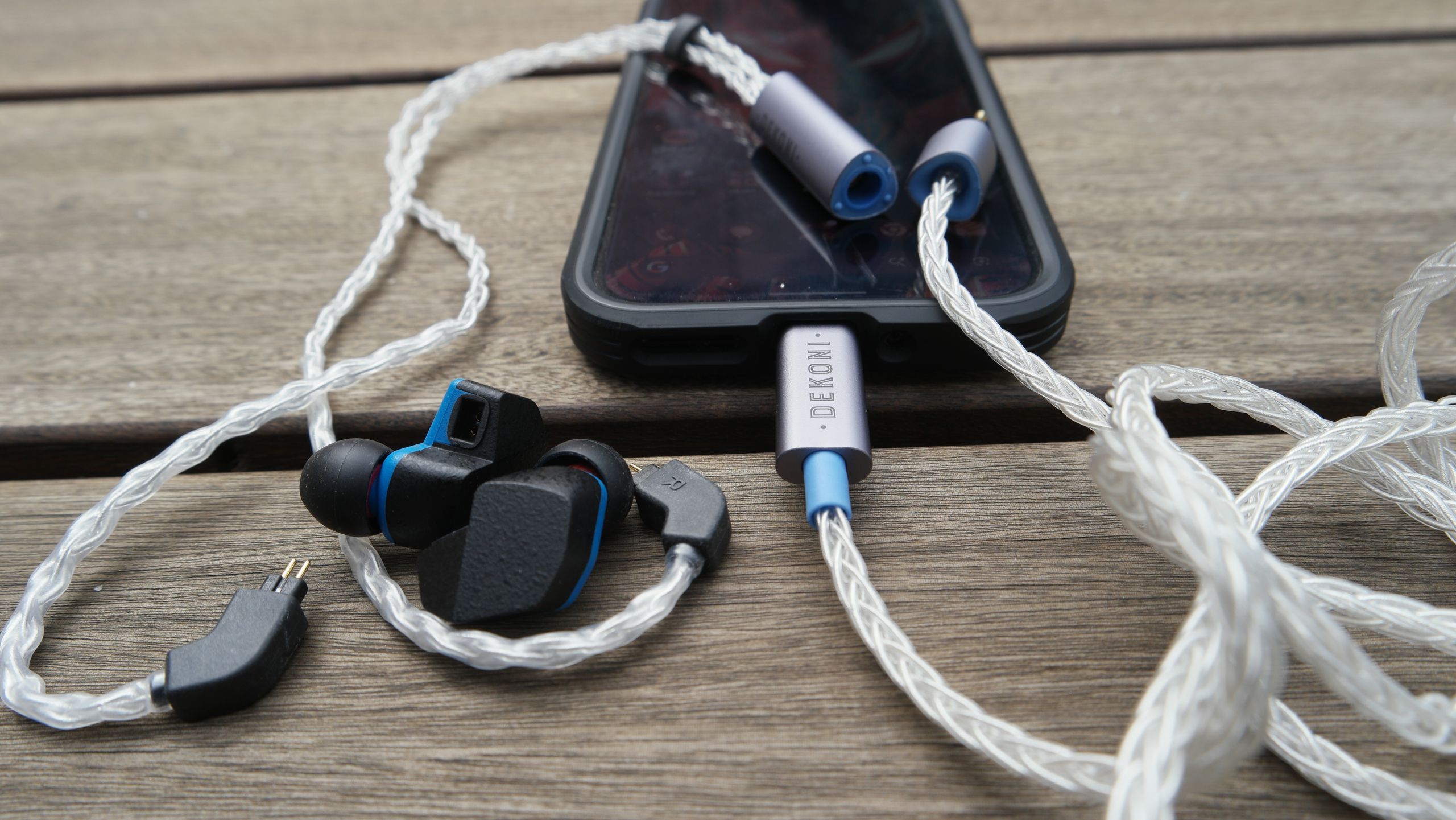
In the rapidly evolving landscape of personal audio, the convenience of wireless connectivity has dominated the consumer market for over a decade. Yet, as we move through 2026, a growing segment of audiophiles and casual listeners alike are revisiting the humble, tethered connection. I recently decided to trade my high-end Bluetooth earbuds for a pair of wired In-Ear Monitors (IEMs) for three weeks, and the results have been as revealing as they were unexpected. While the wireless ecosystem offers undeniable ease of use, the shift to wired hardware brings a distinct set of trade-offs regarding sound fidelity, reliability, and our relationship with mobile devices.
The primary driver for this experiment was not just nostalgia, but a curiosity regarding current hardware standards. As noted by the International Telecommunication Union, wireless standards continue to improve, yet physical limitations in bandwidth and compression remain inherent to the medium. By switching to wired IEMs, I removed the variables of battery degradation, connection drops, and codec latency that define the modern wireless experience. This transition forces a recalibration of how we consume media on the go, highlighting that in 2026, the “best” audio experience is often a matter of prioritizing intent over total freedom of movement.
The Fidelity Factor: Why Wired Still Leads
The most immediate difference encountered during my three-week test was the sheer consistency of the audio signal. Bluetooth audio, even when utilizing advanced codecs, relies on compression algorithms that can sacrifice dynamic range. In contrast, a well-engineered set of IEMs provides a direct, uncompressed path from the digital-to-analog converter (DAC) to the ear. For those who prioritize lossless audio playback, the difference is not merely theoretical. It’s a measurable shift in the clarity of the soundstage and the separation of individual instruments.
However, the transition is not without its hurdles. In an era where many flagship smartphones have abandoned the 3.5mm headphone jack, the wired experience necessitates an external dongle or a dedicated portable DAC/amp. This adds a layer of complexity to one’s “everyday carry” setup. Research into modern mobile connectivity indicates that users are increasingly comfortable with modular hardware, provided the performance gains are significant enough to warrant the extra weight in their pockets. During my trial, I found that while the audio quality was superior, the physical tether served as a constant reminder of the friction involved in high-fidelity mobile listening.
Living Without the Tether: Reliability and Battery Life
One of the most liberating aspects of using wired IEMs was the total elimination of battery anxiety. We have all experienced the frustration of a dead earbud mid-podcast or the intermittent signal loss in a crowded urban environment. Wired hardware provides a permanent, reliable connection that is impervious to the interference that often plagues the 2.4GHz spectrum used by Bluetooth devices. According to guidance from the Federal Communications Commission regarding wireless spectrum management, signal congestion in dense metropolitan areas remains a significant factor in the performance of consumer electronics.
That said, the loss of “smart” features was palpable. Modern earbuds are essentially mini-computers, offering active noise cancellation (ANC), transparency modes, and sophisticated touch controls. My wired IEMs offered none of these. I had to manage volume via an external controller and rely on the physical seal of the ear tips for isolation. This “analog” experience requires a change in mindset; you are no longer controlling your audio through software-defined shortcuts, but through physical interaction with your hardware. For some, this is a welcome return to simplicity; for others, it is a regression in functionality.
The Verdict: Is Wired Still Relevant in 2026?
Should you consider giving up your Bluetooth earbuds? The answer depends entirely on your use case. If your priority is seamless integration with your phone, gym-ready durability, and hands-free calling, the wireless revolution is still the undisputed winner. The convenience of features like multipoint pairing and instant device switching is difficult to replicate with a wired setup.

However, if your goal is to experience your music library with greater detail and avoid the planned obsolescence inherent in integrated lithium-ion batteries, the wired path offers a compelling alternative. My three weeks with wired IEMs didn’t turn me into a total purist, but it did make me appreciate the longevity and performance that physical connectivity provides. As we look at the trajectory of the Institute of Electrical and Electronics Engineers standards for future audio transmission, while wireless will continue to dominate the mass market, the niche for high-quality wired audio is not only stable—it is thriving.
The next major industry update regarding audio codec standards and wireless transmission efficiency is expected to be discussed at the upcoming global technology summits later this year. In the meantime, I encourage you to share your own experiences: Have you considered returning to wired audio for your daily commute or office setup? Let us know in the comments below.
Worth a look