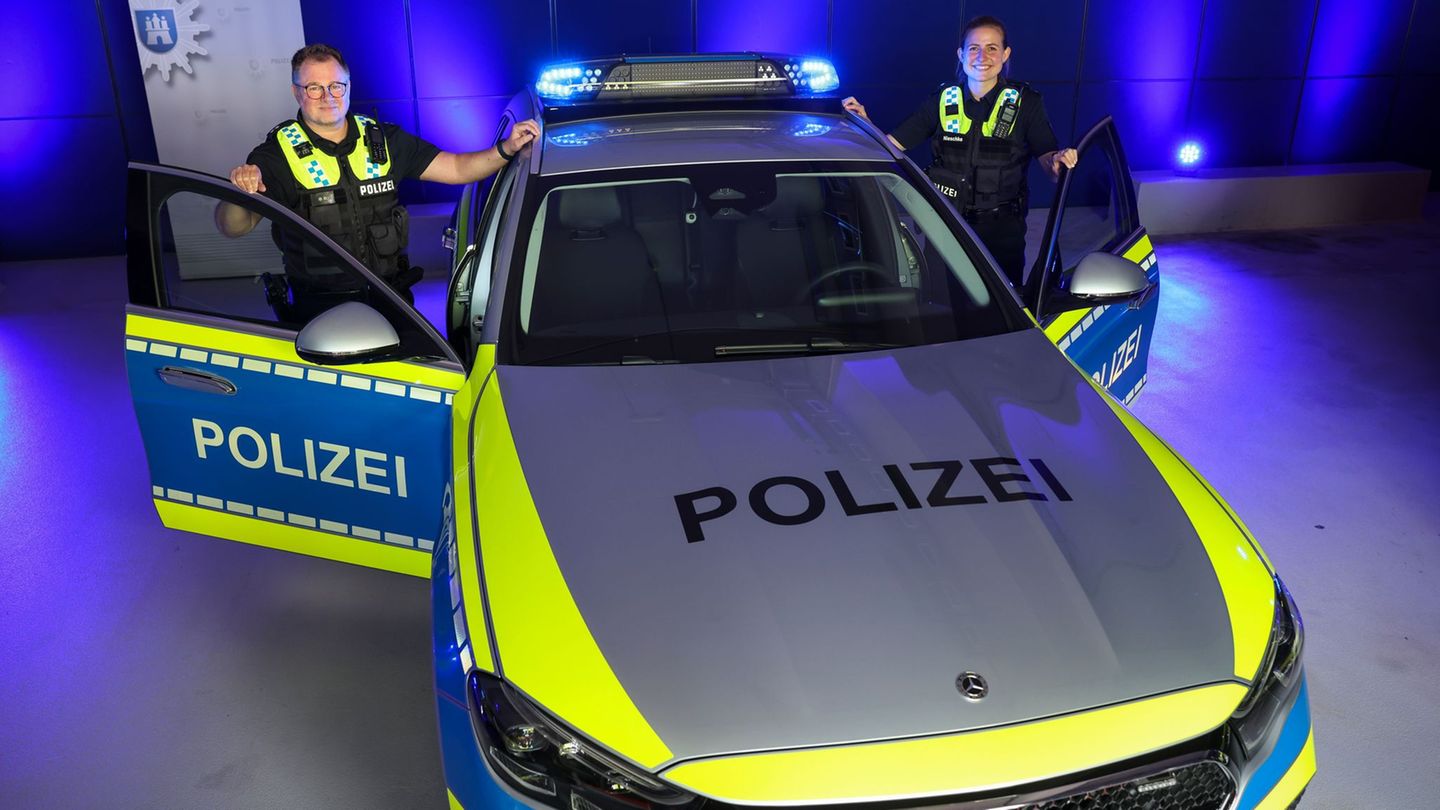
In the evolving landscape of urban management and smart city infrastructure, the tension between emergency response efficacy and noise pollution has reached a new flashpoint. Following a high-profile pilot project in Hamburg—often referred to as the “Elbe pilot”—the North Rhine-Westphalia (NRW) police have signaled that they will not be adopting a permanent policy of selective or “silent” emergency signaling.
The decision, which marks a divergence from the experimental protocols being tested in northern Germany, underscores a fundamental debate in modern law enforcement: how to leverage emerging signaling technologies to navigate increasingly dense urban environments without contributing to “siren fatigue” or excessive acoustic disturbance for residents.
For the NRW police, the decision to forgo a permanent shift in how “blue lights” and sirens are utilized means maintaining more traditional, high-visibility protocols. This move comes as city planners and tech-driven municipalities across Europe look for ways to integrate emergency services into the “silent city” models currently being debated in major metropolitan hubs.
The Hamburg Precedent: Lessons from the Elbe
The discourse was catalyzed by an intensive pilot project conducted in the Hamburg region, frequently termed the “Pilotprojekt an der Elbe.” This initiative explored the feasibility of “silent” emergency approaches, where police and emergency vehicles would utilize high-intensity LED lighting and advanced visual signaling while significantly reducing or entirely omitting the use of sirens in specific, low-risk urban corridors.
The goal of the Hamburg initiative was twofold: to mitigate the psychological and physiological stress caused by sudden, high-decibel siren bursts in residential areas and to test whether modern visual technology alone could sufficiently clear traffic. However, the transition from a controlled pilot to a permanent operational standard has proven complex. While the technological capability to respond “silently” exists, the unpredictability of human drivers remains a significant variable.
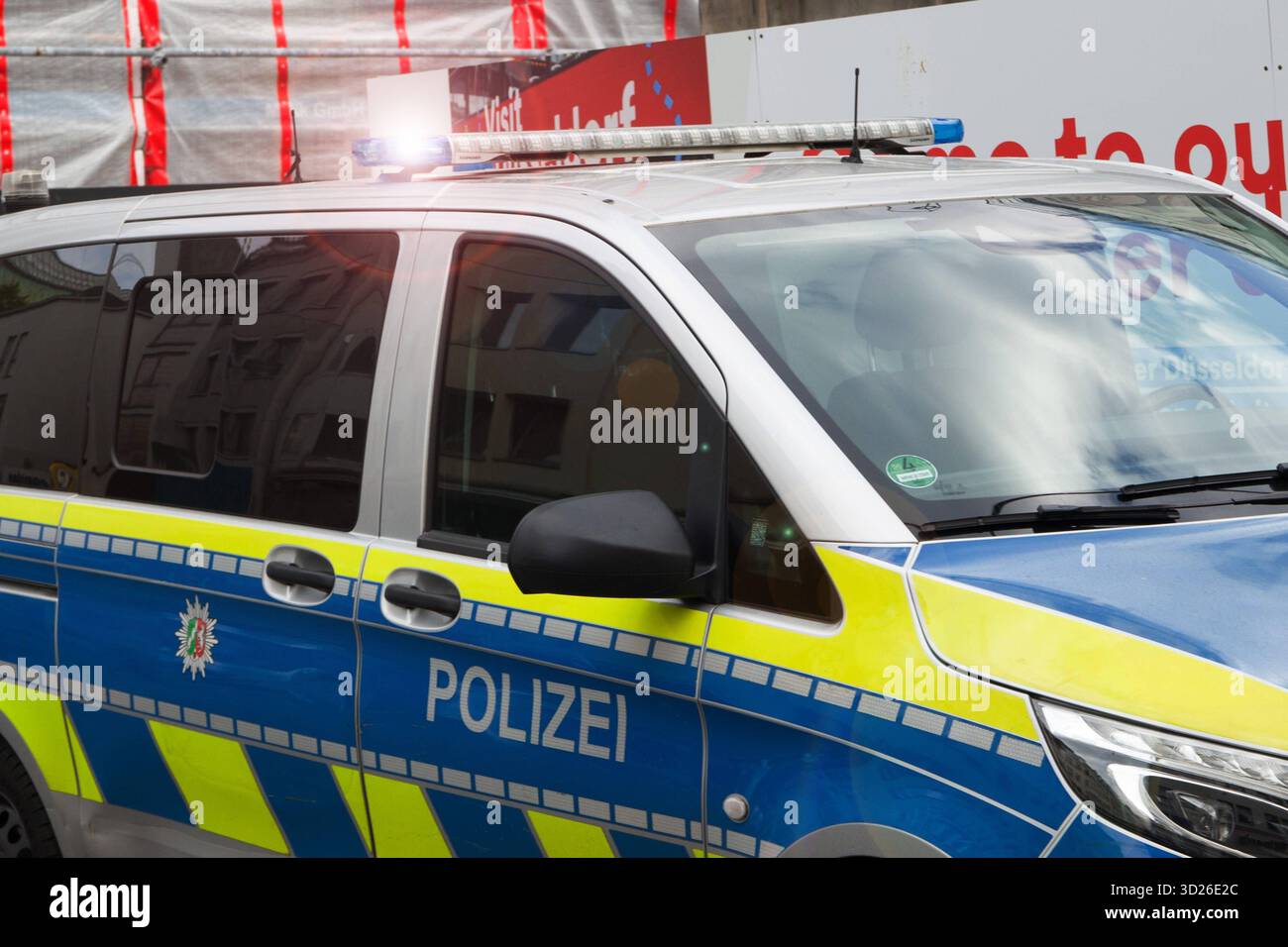
In NRW, officials have weighed these experimental results against the necessity of absolute situational awareness. The consensus among many safety experts is that while technology can enhance visibility, the acoustic component of the “blue light” (the traditional German term encompassing both lights and sirens) serves a critical role in alerting distracted drivers who may not be looking at the vehicle’s immediate path.
The Tech Behind the Signal: Beyond the Siren
As a technology editor, I find the real story here is not just in the policy decision, but in the sophisticated hardware and software that define modern emergency response. The “blue light” is no longer just a flashing bulb. This proves a highly integrated digital ecosystem. The debate in Germany is essentially a debate over the optimization of these technical assets.
We are seeing a shift toward several key technological pillars that aim to solve the noise-versus-safety dilemma:
- V2X (Vehicle-to-Everything) Communication: Here’s perhaps the most transformative tech in the sector. Through V2X, an emergency vehicle can digitally communicate with “smart” traffic lights and even the onboard computers of civilian vehicles. Instead of relying on a loud siren to clear an intersection, the vehicle can trigger a “green wave,” preemptively changing traffic lights to clear a path before the vehicle even arrives.
- Smart Siren Technology: New siren modules are moving away from static, piercing tones toward frequency-modulated sounds. These systems can adjust their pitch and volume based on the vehicle’s speed, the ambient noise of the environment, and the proximity to residential buildings.
- Advanced LED Patterning: Modern emergency light bars use high-intensity, multi-pattern LED arrays. These can be programmed to change patterns based on the level of urgency, providing high-visibility “strobe” effects in high-risk intersections while switching to a more subtle, constant glow during transit through quiet residential zones.
The rejection of a permanent “silent” policy in NRW suggests that, for now, the reliability of acoustic alerts still outweighs the potential benefits of a purely visual or digital-first approach in the current automotive landscape.
Comparing Emergency Signaling Models
To understand the friction between the Hamburg approach and the NRW decision, it is helpful to look at how these different operational philosophies stack up against one another.
| Feature | Traditional Model (NRW Approach) | Silent/Selective Model (Hamburg Pilot) |
|---|---|---|
| Primary Alert Method | Acoustic (Sirens) + Visual (Lights) | Visual (High-Intensity LEDs) + Digital (V2X) |
| Urban Impact | Higher noise pollution; higher driver awareness. | Lower noise pollution; potential for driver distraction. |
| Safety Driver Reliance | Relies on immediate auditory reaction. | Relies on visual detection and V2X integration. |
| Technological Complexity | Standardized and reliable. | High (Requires smart infrastructure/V2X). |
The Stakeholder Divide: Safety vs. Livability
The decision-making process highlights a deep divide between two primary stakeholder groups: law enforcement agencies and urban residents.
For Law Enforcement: The priority is the “Golden Hour”—the critical window in which emergency response can prevent loss of life. From a tactical perspective, a siren is a proactive tool that commands attention. Relying on visual cues alone assumes a level of driver attentiveness that is frequently absent in the age of smartphone distraction. For the NRW police, the risk of a “silent” approach failing to clear a path is a risk to officer and public safety that they are currently unwilling to take.
For Urban Residents: The argument is one of public health. Chronic exposure to high-decibel sirens is linked to increased stress levels, sleep disruption, and general urban anxiety. As cities become more densely populated, the “acoustic footprint” of emergency services becomes a significant factor in urban livability. The Hamburg pilot was a direct response to this demand for a “quieter” city.
The middle ground likely lies in the intelligent automation of these signals. If V2X technology becomes standard in all new vehicles—as many European regulators are pushing for—the need for the physical siren may naturally diminish. In that future, the “blue light” becomes a digital handshake between vehicles rather than a loud command to the public.
What Happens Next?
While NRW has opted against a permanent change, this does not mean the conversation is over. The refusal to implement a permanent “silent” protocol is not a dismissal of the technology, but rather a call for more robust infrastructure. For a silent approach to work safely, the “smart” in “smart city” must be ubiquitous, not experimental.
The next critical checkpoint in this evolution will be the longitudinal data analysis from the Hamburg pilot. Researchers will be looking at collision rates, response times, and public sentiment data to determine if the “silent” method can be safely scaled. We also expect to see further testing of V2X integration in German pilot cities, which will eventually dictate whether the siren becomes a relic of the past or remains a staple of modern policing.
Do you think smart city technology like V2X can eventually replace the need for sirens, or is the acoustic alert an essential safety tool? Let us know your thoughts in the comments below and share this article with your network.
Worth a look